
WINTER GAS CUTS GRIP PAKISTAN AS SNOWFALL AND SURGING HEATER USE PUSH THE SYSTEM TO ITS LIMITS
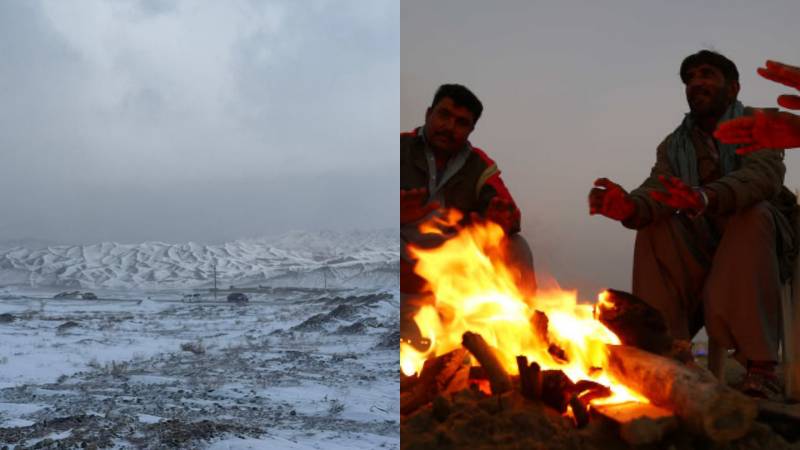
On Friday, January 23, 2026, many Pakistanis are living the same winter routine in reverse: checking the stove before the kettle, testing the geyser before the shower, and switching heaters off, not by choice, but because the pressure simply isn’t there. From major urban centers to snow-hit districts, gas shortages and low pressure have become a nationwide cold-weather crisis, disrupting cooking, heating, and daily life at the very moment winter is at its harshest.
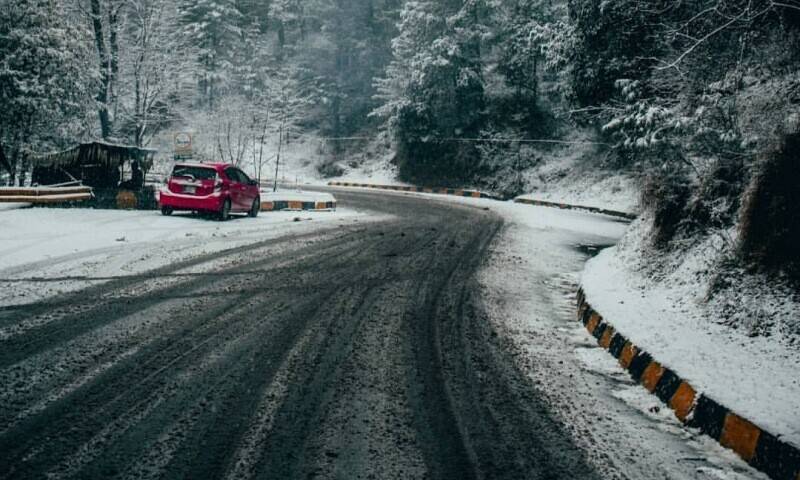
When the cold arrives first, and the gas arrives later
The pressure drop is being felt differently across regions but the story is consistent: winter demand climbs, and supply and distribution struggle to keep up.
In Balochistan, the situation is especially punishing because the cold is not just uncomfortable, it’s severe. This week’s heavy snowfall and icy winds have pushed temperatures in Quetta and surrounding areas well below zero, while residents report long electricity outages and weak gas pressure, compounding the hardship.
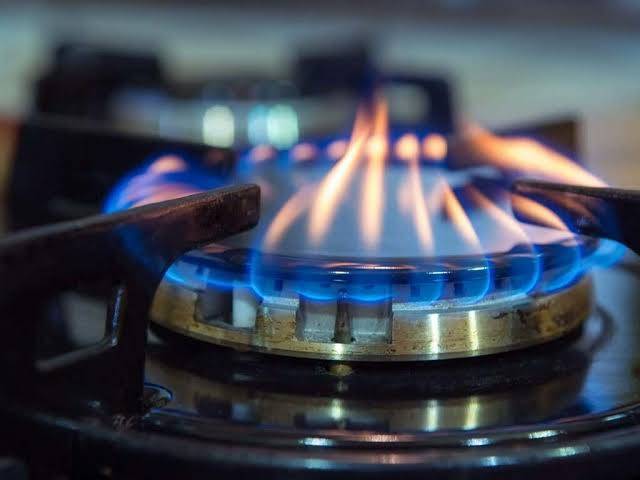
Field reports from upper Balochistan indicate that Quetta and several adjoining towns linked to the regional gas network have faced persistent low pressure during the freezing spell, with temperatures dipping as low as minus 8 to minus 12°C in some areas. At the same time, unannounced power outages have added to the strain, leaving households with limited options for heating during sub-zero nights.
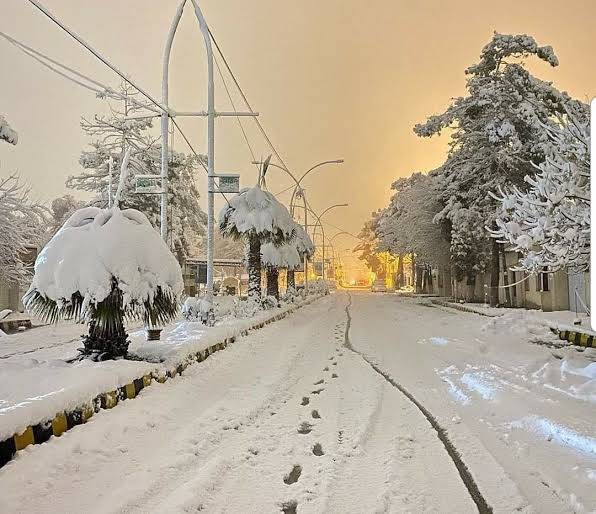
Major cities, same complaint: low pressure, disrupted routines
The gas issue is not confined to snowfall zones. In Karachi, low pressure and intermittent supply have remained a recurring winter grievance, often attributed to reduced inflows from gas fields and sharply rising household demand.
As of this week, a fresh disruption has been announced: a 48-hour suspension of gas supply to industries, captive power plants, and CNG stations in Karachi, starting 8am Saturday (January 24) until 8am Monday (January 26). Gas authorities say the temporary shutdown is intended to stabilize the network and improve pressure for domestic and commercial consumers during peak winter usage.
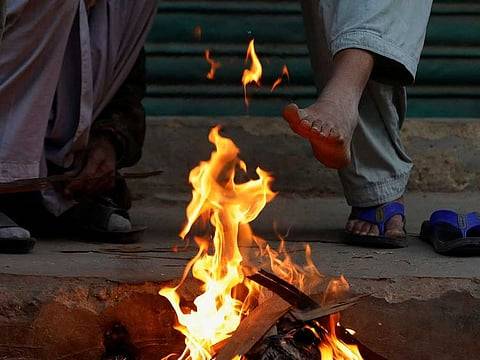
In Punjab’s major cities, pressure complaints have now reached the floor of Parliament. During recent sessions, lawmakers highlighted that low gas pressure in areas such as Lahore has forced households to rely on electricity for geysers and heaters, significantly increasing winter utility costs. The statement reflects a broader urban reality: when gas becomes unreliable, families are pushed toward more expensive and often unavailable alternatives.
The mechanics behind the misery: demand spikes, line-pack stress, and supply shortfalls
Gas utilities and policymakers largely point to the same triggers: cold snaps drive up household consumption, particularly during morning and evening peak hours when cooking, bathing, and heating coincide.
According to official utility briefings earlier this month, an unexpected cold wave sharply increased demand due to widespread use of geysers and space heaters, while a technical supply shortfall of roughly 30 MMCFD further weakened pressure, especially in tail-end localities. Authorities stated that additional volumes of RLNG were diverted into the system, and a government-approved load management plan was activated, curtailing industrial supply to protect domestic consumers.
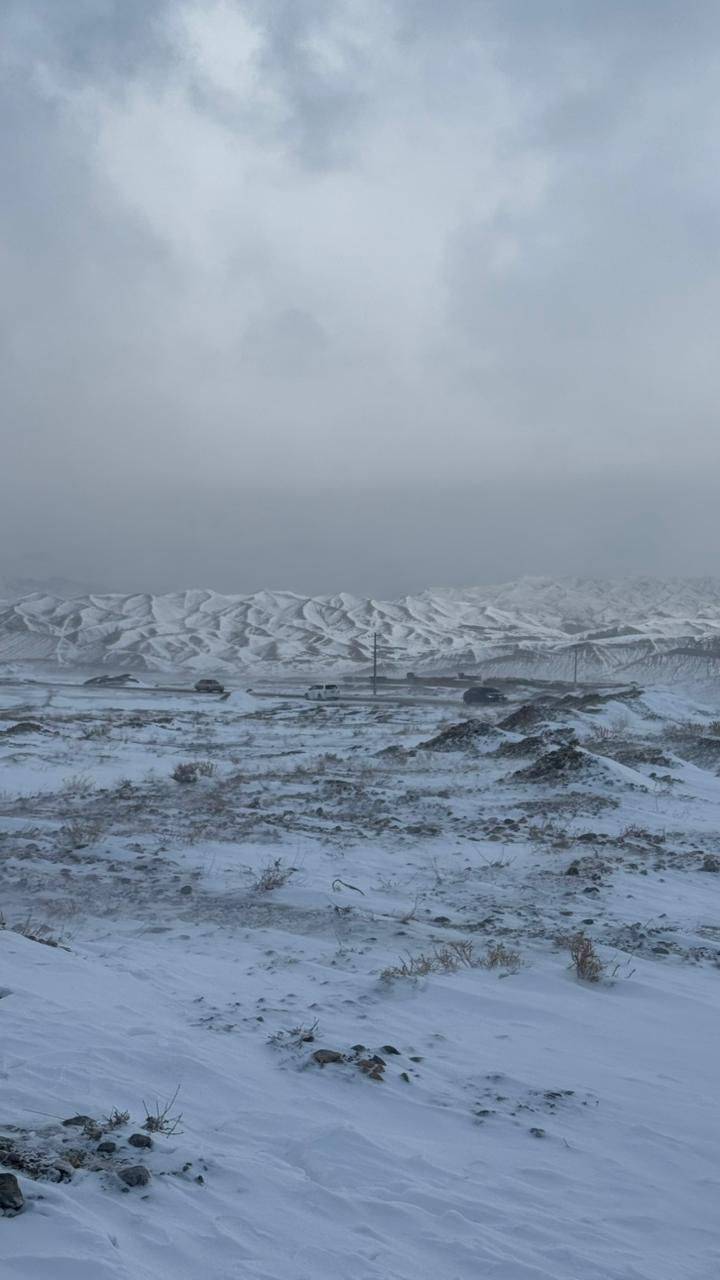
This is where the concept of “line pack” becomes critical. The gas network requires sufficient pressure reserves within pipelines to deliver stable supply during peak hours. When demand surges faster than replenishment, pressure drops across the system, meaning that even if gas is available upstream, consumers at the end of the line experience weak or no supply.
Scheduled supply windows: “management” that still feels like a shutdown
For many households, restricted supply has now become routine.
In Punjab and Khyber Pakhtunkhwa, fixed daily gas supply windows remain in place throughout winter: 5:30am–8:30am, 11:30am–1:30pm, and 5:30pm–8:30pm, with households advised to plan cooking accordingly.
In Sindh, domestic consumers continue to face night-time closures from 10pm to 5am, a measure authorities describe as essential for restoring line pack pressure for the following day.
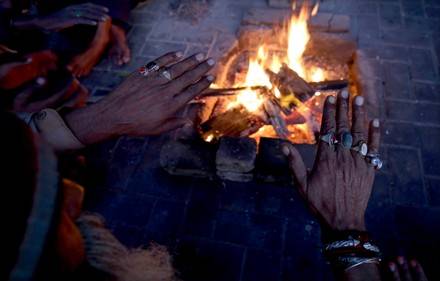
For families on the ground, however, the distinction between “load management” and “cut-off” is largely academic. The impact is the same: cold nights without heating, delayed routines, and rising dependence on alternative fuels.
What the government says it’s doing and what it admits is happening
In response to mounting public pressure, the Petroleum Division and gas utilities have intensified daily monitoring of the situation.
Recent federal-level meetings acknowledged widespread complaints during peak winter demand, with officials reiterating that domestic consumers remain the top priority. Authorities reported incremental increases in supply since early January and confirmed that weekly demand-supply assessments and daily monitoring reports are now part of crisis management efforts.
At the same time, officials have openly conceded that winter planning remains under strain. While LNG cargo arrivals and operational adjustments are cited as relief measures, parliamentary discussions have repeatedly highlighted that ground realities in Quetta, Karachi, and Lahore continue to contradict claims of uninterrupted supply.
the harshest impact: snowfall zones and tail-end neighborhoods
Beyond the headlines, the most serious consequences are unfolding in areas where cold is extreme and alternatives are scarce.
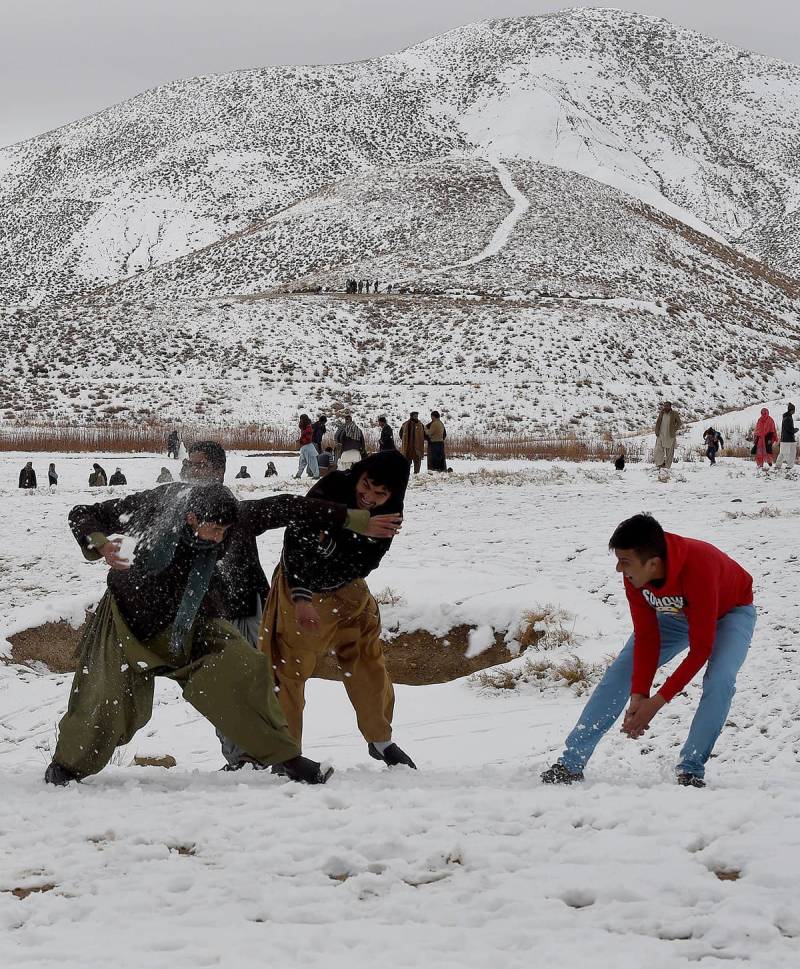
Across Quetta, Ziarat, Kalat, Mastung, and surrounding districts, snowfall has already disrupted transport, electricity, and daily life. In such conditions, low gas pressure is not a minor inconvenience, it becomes a health and safety concern, particularly for children and the elderly, when temperatures plunge below freezing overnight.
What this means right now
As of January 23, 2026, the national picture is stark:
Severe cold and snowfall in Balochistan are coinciding with low gas pressure and power outages, intensifying hardship in Quetta and nearby districts.
Karachi remains under pressure stress, with a scheduled 48-hour industrial and CNG shutdown (January 24–26) aimed at stabilizing domestic supply, alongside ongoing night-time closures.
Punjab’s major cities, including Lahore, are experiencing sustained low pressure, forcing households to switch to electricity for heating and hot water.
Authorities insist supply has been increased and monitoring strengthened, but also acknowledge that peak winter demand continues to push the system beyond its limits.
For households across the country, the conclusion is unavoidable: this is no longer a localized or temporary issue. It is a winter-long energy reliability challenge, felt most sharply when temperatures fall, heaters fail, and families are left waiting for pressure to return.
Text: Sundus Unsar Raja @sublimerantr