
Ali Azmat Still Loud, Still Restless
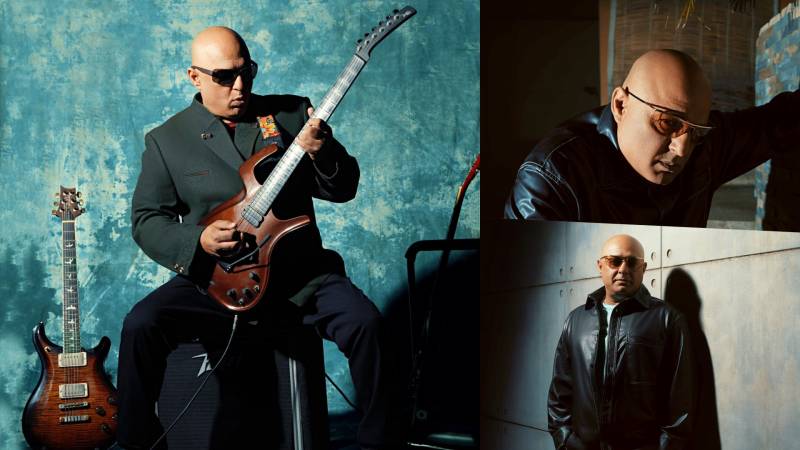
There are artists who define eras, and then there are those who refuse to be defined by them. Ali Azmat belongs unapologetically to the latter. From the raw, rebellious energy of Junoon’s rise to his continued presence on global stages, he has remained both a product of his time and a challenger of it. His voice, gritty, unmistakable, and often politically charged, has always carried more than melody; it carries intent.
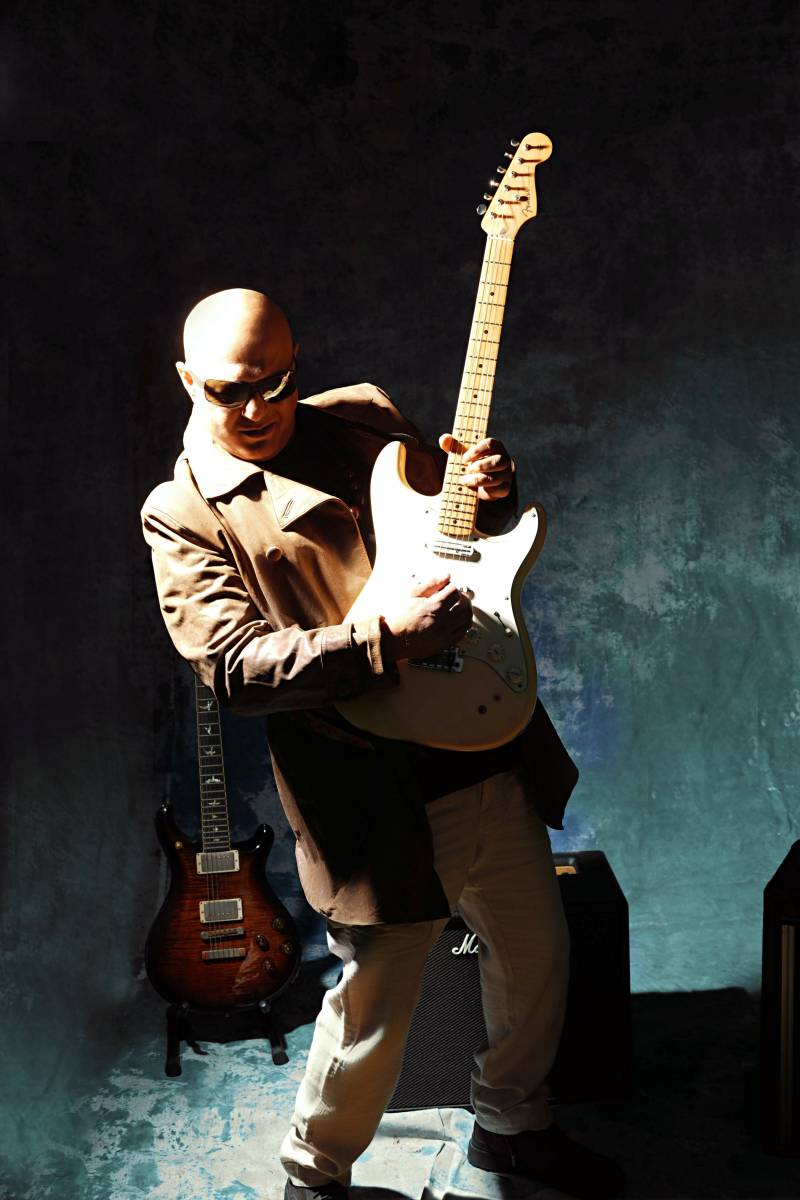
If you don’t take a stand, you don’t remain relevant. Anyone living in this world is political whether they admit it or not
In an industry that has shifted from cassette tapes to compressed streams, from grassroots movements to algorithm-driven virality, Azmat stands as both witness and participant. He speaks with the candour of someone who has seen the machinery of music evolve and the conviction of someone who refuses to let it dilute the essence of expression. What emerges in conversation is not nostalgia, but a restless pursuit of relevance, honesty, and artistic truth.
The cost of honesty is very high. The moment you speak about real issues, you pay for it commercially but that’s a price I’m willing to pay
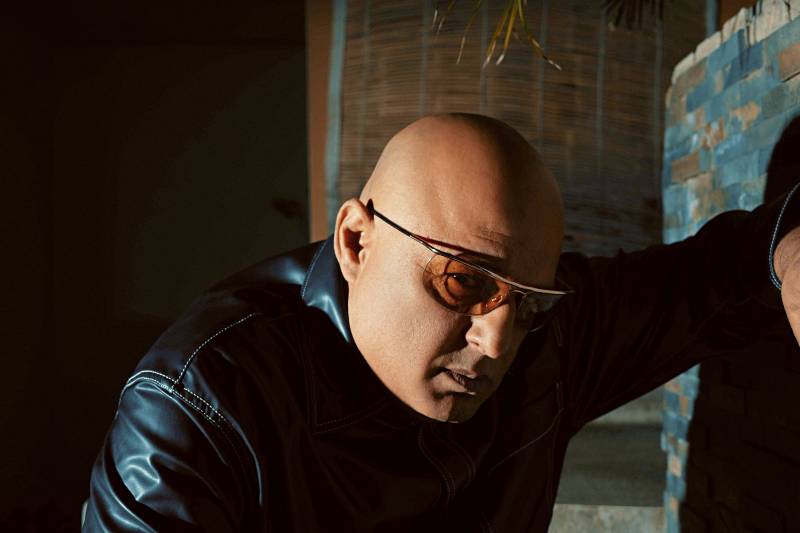
Looking back at the early days, he admits there was a kind of beautiful uncertainty. “We didn’t really know what we were doing,” he reflects, recalling a time when making music meant figuring everything out from scratch, writing songs, producing sounds, even understanding instruments. Yet, he contrasts that era with today’s digital consumption, noting how “the sound quality back then was supreme,” while now, music is often heard in compressed formats on phones. And still, for him, the core remains untouched: “What we enjoy the most is that we’re still alive and still able to express ourselves through music. That joy, you can’t replace it.”
If you let machines do the work, there’s no personal stamp left. Music without human effort loses its soul
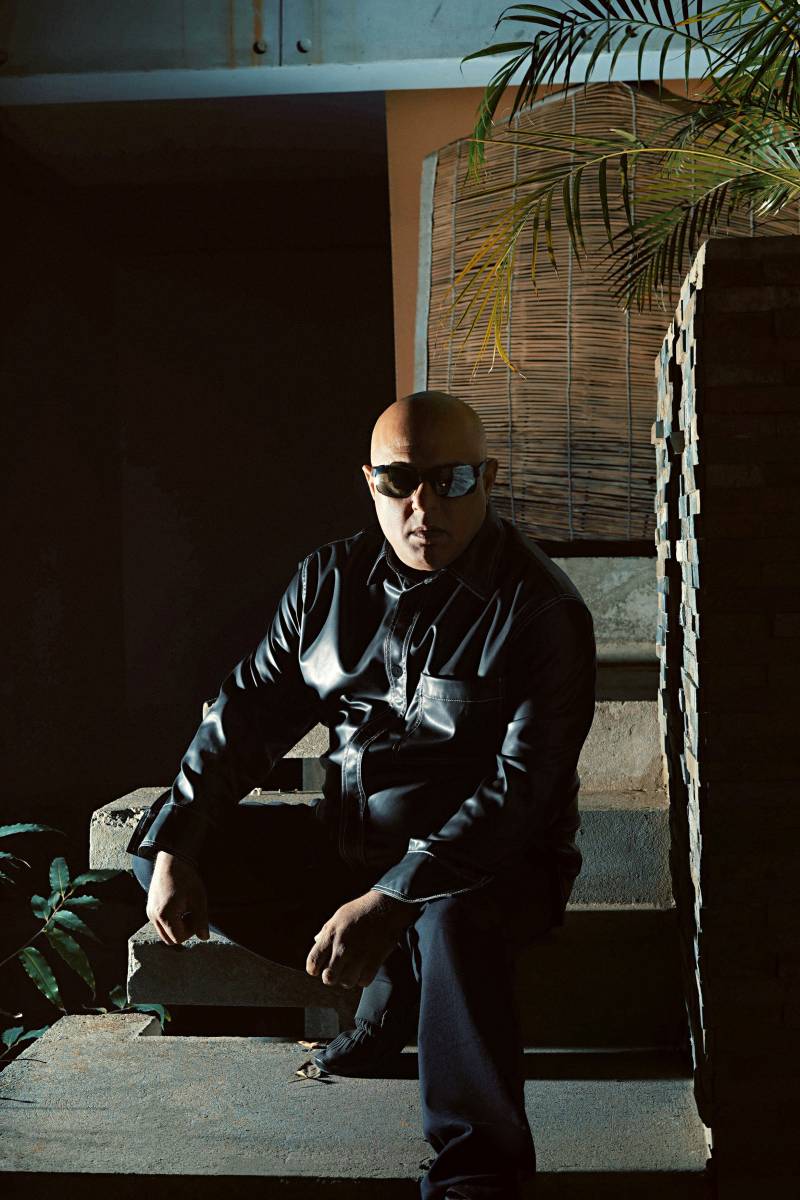
It is this sense of purpose that feeds into his belief that artists cannot afford detachment from the world around them. For Azmat, the idea of apolitical artistry is almost impossible. “I don’t think a person who lives on this planet isn’t political,” he says. “If you don’t take a stand, you don’t remain relevant.” He ties relevance not to trends, but to the geopolitical pulse of the world. “If you’re not affected by what’s happening, then you must be a robot,” he adds, with characteristic bluntness. In his view, rebellion is not optional, it is necessary, especially “against any system that doesn’t serve human beings.”
People today are chasing moments, not movements. Real connection comes from meaning, not virality
That rebellion, however, comes at a cost. Azmat is fully aware of the price of honesty in today’s hyper-commercial landscape. “The cost of honesty is very high,” he says plainly. Speaking out on issues whether political conflicts or global power structures often results in brands distancing themselves. “A lot of multinational companies would avoid us to not get any bad press,” he explains. But compromise, at this stage, is not an option. “We’re too old to change ourselves. We’ll keep doing what we do. Allah provides, and respect is in His hands.”
Honestly, I don’t see much emerging talent right now, just western trends translated into Urdu, with very little originality or melody
Despite decades in the industry, the drive to perform remains surprisingly simple. “It’s the love for music. The zeal for life,” he says. For him, music is still a vehicle, one that allows artists to express themselves in ways that resonate deeply with others. “That’s a really big driving force.”
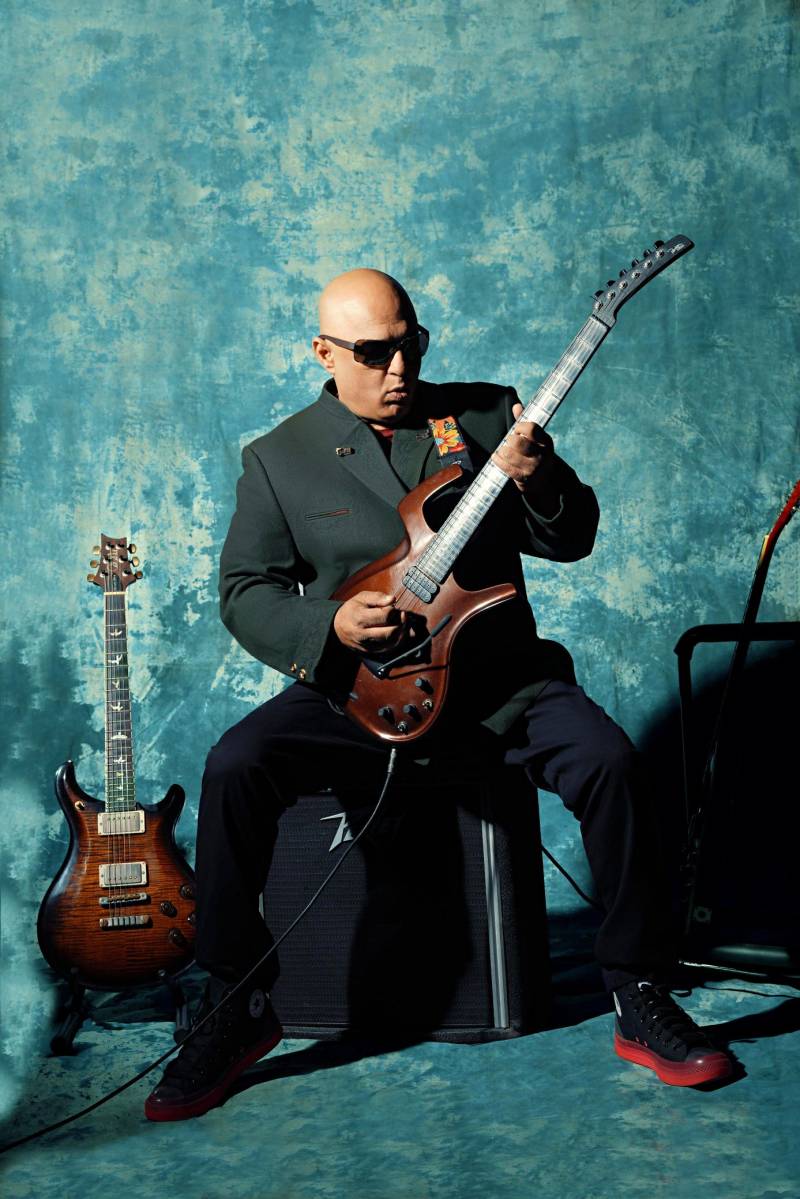
If he were to build Junoon today, in a world ruled by digital metrics and viral moments, Azmat suggests the core dilemma would remain unchanged: intention. “Every artist has to decide what they want to be,” he says. While fame and financial success may come with hits, he believes they are not sustainable end goals. “That’s what separates artists from performers.”
We were inspired by the world too, but we had a local pulse, a personal message. That’s what’s missing today
The conversation inevitably turns to technology, particularly the rise of AI in music-making. While he acknowledges the abundance of tools available today, he is wary of their consequences. “AI can give you a million ideas… you can even ask it to create versions of your songs,” he says. “But it also makes you lazy.” For Azmat, over-reliance on machines strips music of its individuality. “If you let machines do the work, there’s no personal stamp left.” Technology, in his view, should assist, not replace creativity. “At the end of the day, it’s the creativity that matters.”
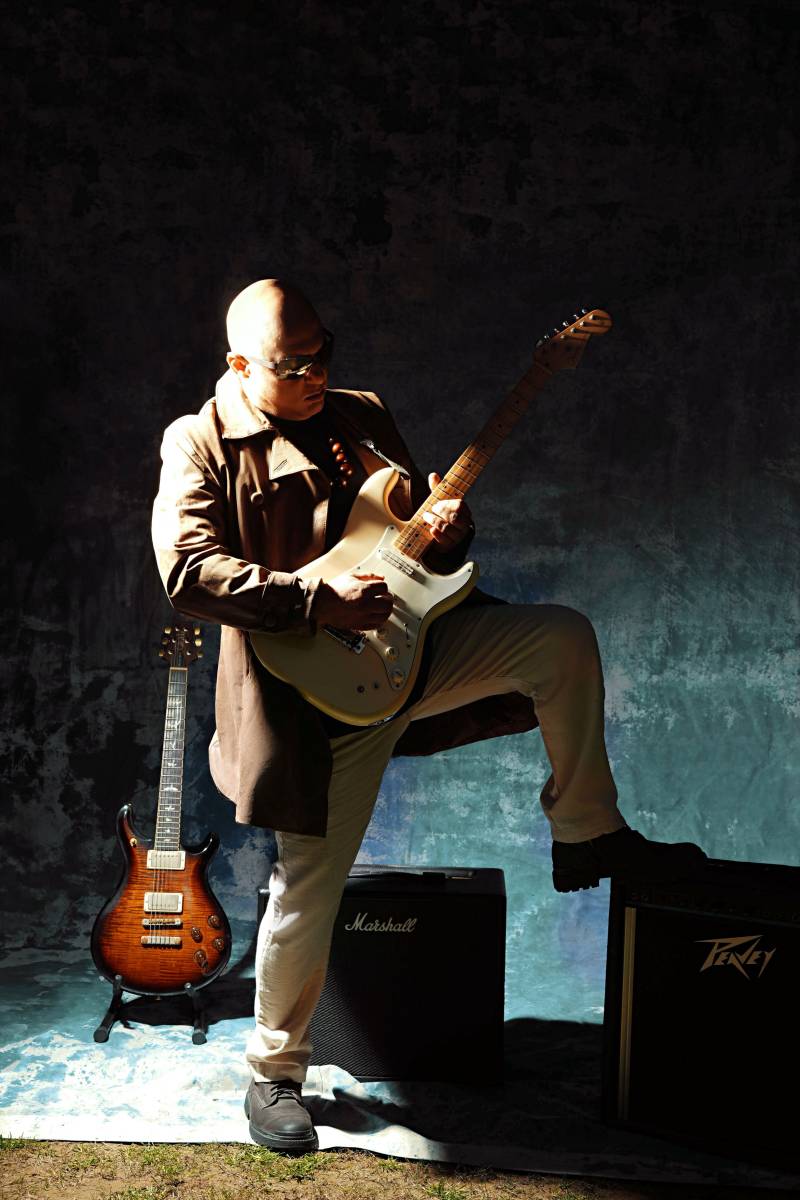
When asked about audiences today, he offers a surprisingly self-aware perspective. “Honestly, even I’m an escapist in many ways,” he admits, referencing his own preference for lighter, less emotionally taxing content at times. But he also recognizes the duality of listeners. “People are looking for escapism because of the kind of world we’ve created,” he says, before adding, “but there are always those who want real music that resonates.” Trends may dominate, but meaningful music, he believes, always finds its way back.
Rebellion against any system that doesn’t serve human beings isn’t optional, it’s necessary
Azmat sees himself today not as one thing, but many. “I think I’m a bit of everything,” he says. Performer, storyteller, activist, each role feeds into the other. His concerns stretch beyond music, touching on issues from environmental degradation to public health. “There’s so much to fight against,” he notes. And in navigating that, he acknowledges the need for balance. “You have to find a middle ground… so the world doesn’t forget about you.”
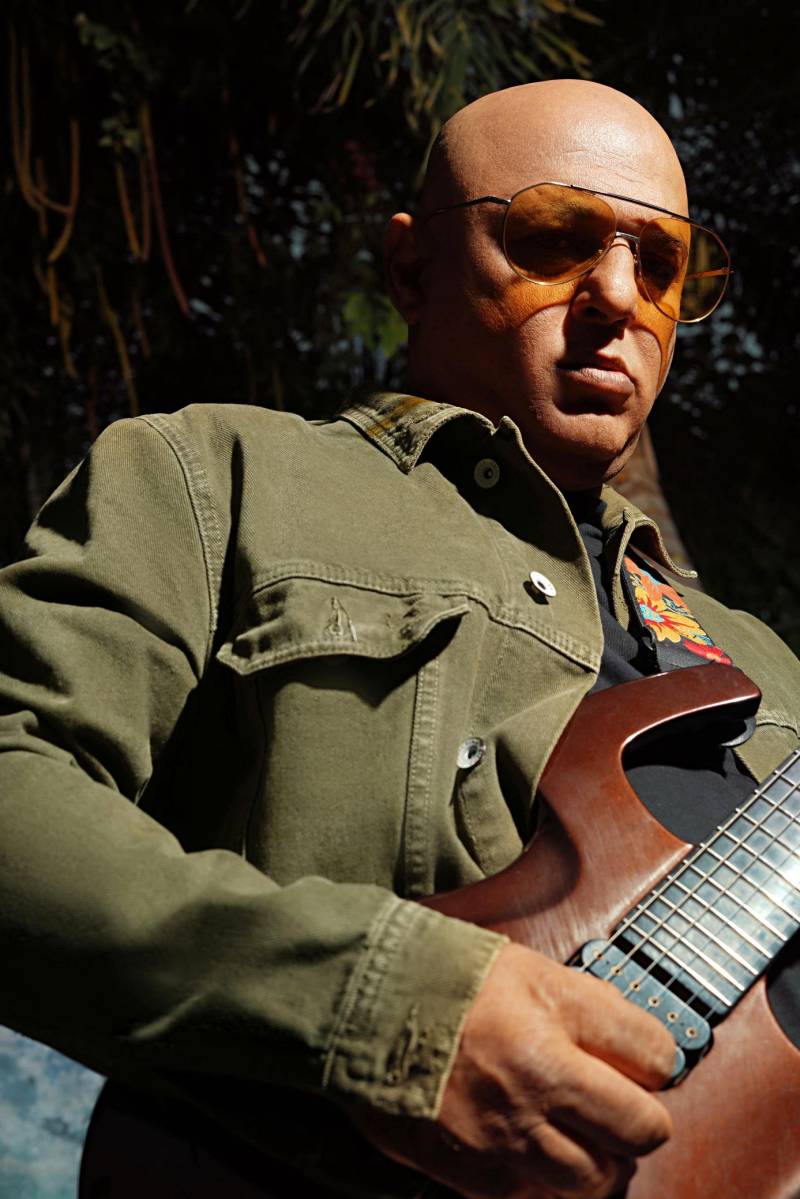
Looking ahead, even in an era dominated by AI and global streaming, his faith in human expression remains unwavering. “Humans will continue to live on through their art,” he says. “No matter how much we evolve through artificial means, people will eventually come back to what is real.” For him, machines can replicate sound but not soul. “It’s human expression that connects everyone. Machines can’t truly depict that.”
I don’t care if people follow my new sound or not. I just want to keep making music and leave something behind that matters
His critique of the current Pakistani music landscape is, however, less forgiving. “I don’t really see any emerging talent,” he says, candidly. While acknowledging chart-toppers, he feels much of today’s output lacks originality. “It’s mostly western trends translated into Urdu,” he explains, contrasting it with his own era, where global influences were blended with a distinctly local pulse. “Now there’s less melody, more samples, more repetition.”
And then there is Junoon, the legacy that refuses to fade. For Azmat, it is both a blessing and a challenge. “Those were possibly the best years of my life,” he says, recalling a time of immense energy, learning, and success. Yet, he is clear about his present ambitions. “I want to make music far away from what I was doing with Junoon,” he shares. Each era, he believes, demands its own sound. “Music in 2026 has a completely different backdrop, my personal growth, my experiences, all of that comes into it.”
Reinvention, he admits, is not easy especially when audiences are attached to a past version of you. But his resolve is firm. “It’s a much harder road… but frankly, I don’t care whether people come or not. I just want to make music and leave a legacy behind.”
In the end, Ali Azmat remains exactly what he has always been: unfiltered, unafraid, and unwilling to dilute his voice for convenience.
RAPID FIRE
One word to describe today’s music industry?
Commercial
Junoon or solo career, what challenged you more?
Solo career, because I had to learn everything
A song of yours you never get tired of performing?
Teri Parchaiyan
A song of yours you secretly wish got more credit?
Le Sambhal
Coke Studio or live concert energy?
Live concert
One current Pakistani artist you think is truly original?
Faris Shafi
One trend in music you don’t understand at all?
Rap
Vinyl, cassette, or streaming?
Everything
A lyric you’ve written that still hits you today?
“Man ghagan ghagan andhiya re, yeh jalde bhujte sitaare”
Spirituality or rebellion?
Spirituality and rebellion, all together
If not music, what would Ali Azmat be doing today?
I’d be a butcher
One thing fans still don’t know about you?
That I am bald
Interview: Sundus Unsar Raja
Photography: Harris Chaudhary
Styling & Production: Ali Babar
Wardrobe: Babarism Bespoke
Retouch: Zakir Allam