
HAJRA YAMIN | THE WORK WAS ALWAYS LOUD ENOUGH | IN COLLABORATION WITH UME SALMA
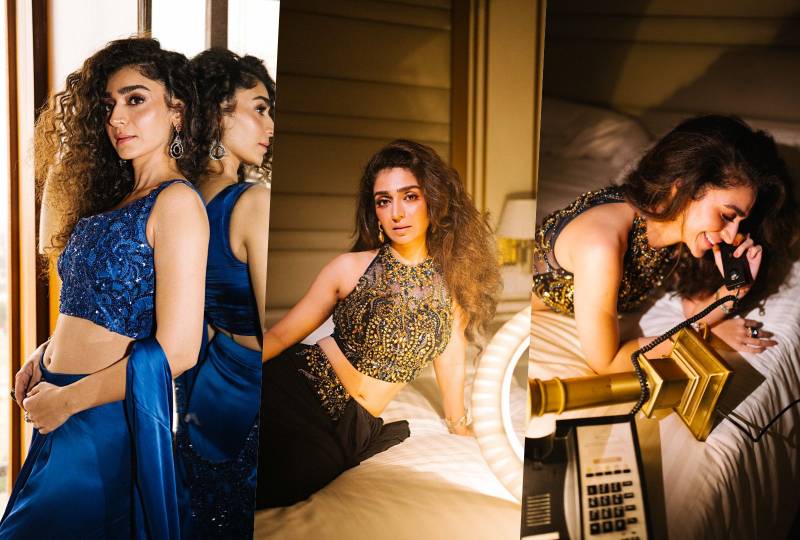
For Hajra Yamin, presence has never been a matter of volume. Her most persuasive performances are built in the charged interval between feeling and disclosure: a glance held too long, a shoulder set against humiliation, a silence that refuses to make pain palatable. In Dr Bahu, which concluded only days before this cover, her portrayal of Minha made restraint the drama’s most eloquent language. Following Sumbul in Noor Jahan, it also confirmed a rare intelligence in her work: Hajra understands how women are conditioned, diminished and, eventually, returned to themselves—and she renders that interior movement without asking the scene to announce it.
“I feel like the timing was right and that I was being prepared to be seen the way I always wanted to be seen as an actor.”
That precision now meets a year of remarkable range. Humrahi and Aik Mohabbat Aur place her in markedly different emotional and professional worlds, with the latter’s Sonya Murtaza, a self-made journalist recalibrating her conscience inside a male-dominated newsroom, further complicating any narrow reading of Hajra’s range. Across parts large and small, she has made the old hierarchy of “lead” and “supporting” feel increasingly inadequate. Yet she is refreshingly candid about wanting more: scale, romance, commercial success and the freedom to prove that popular work need not surrender artistic worth.
“I’m a big believer in staying connected to your true self and never being afraid to let your audience see that side of you.”
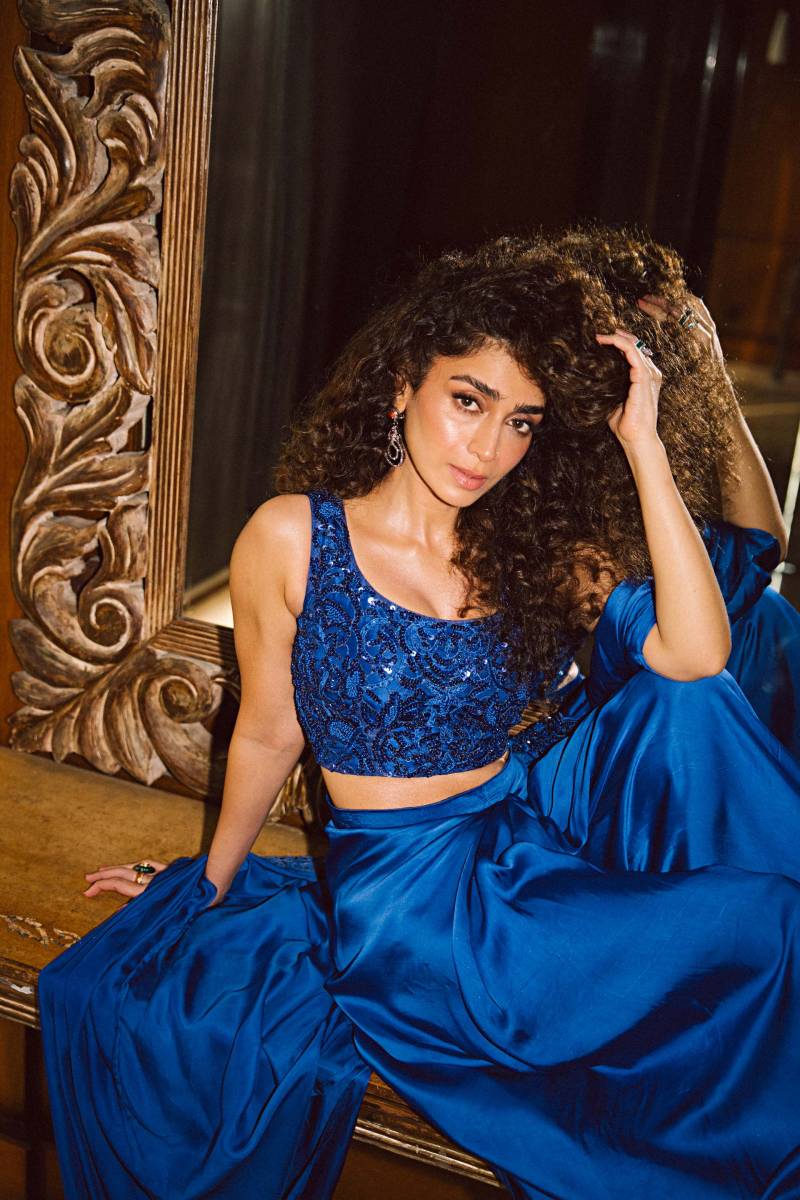
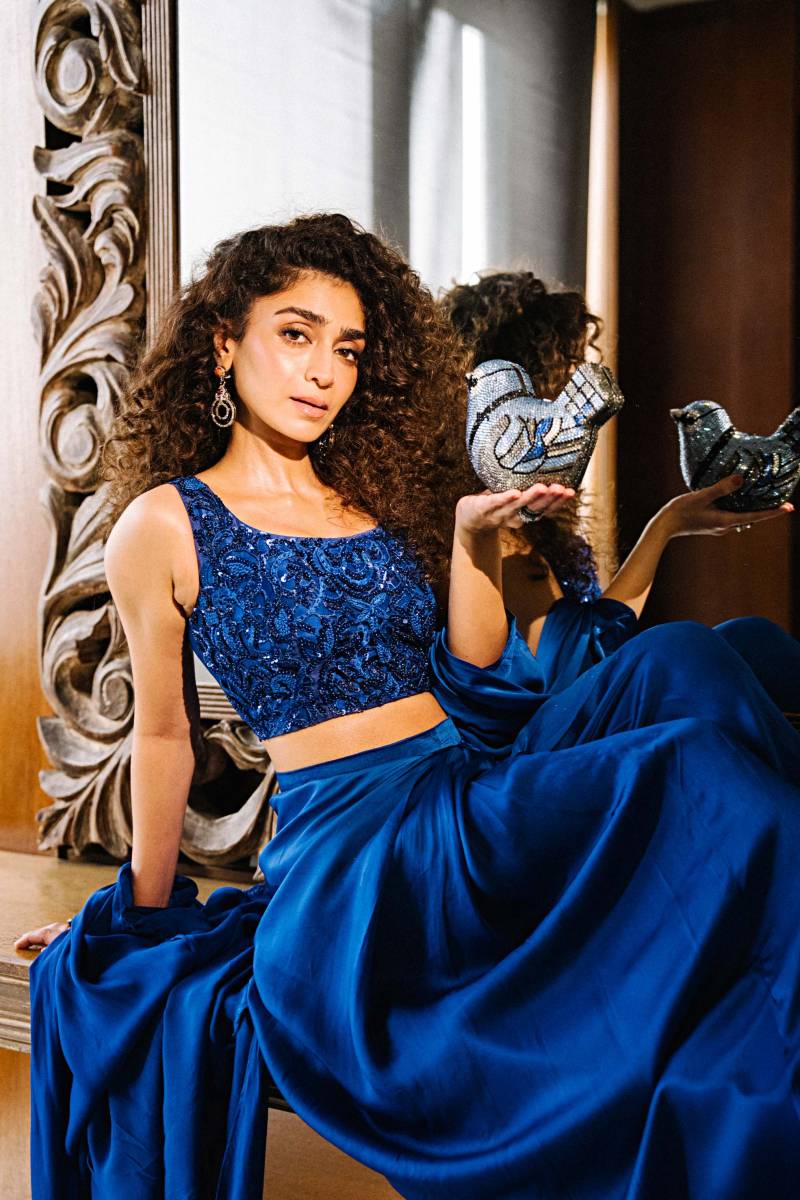
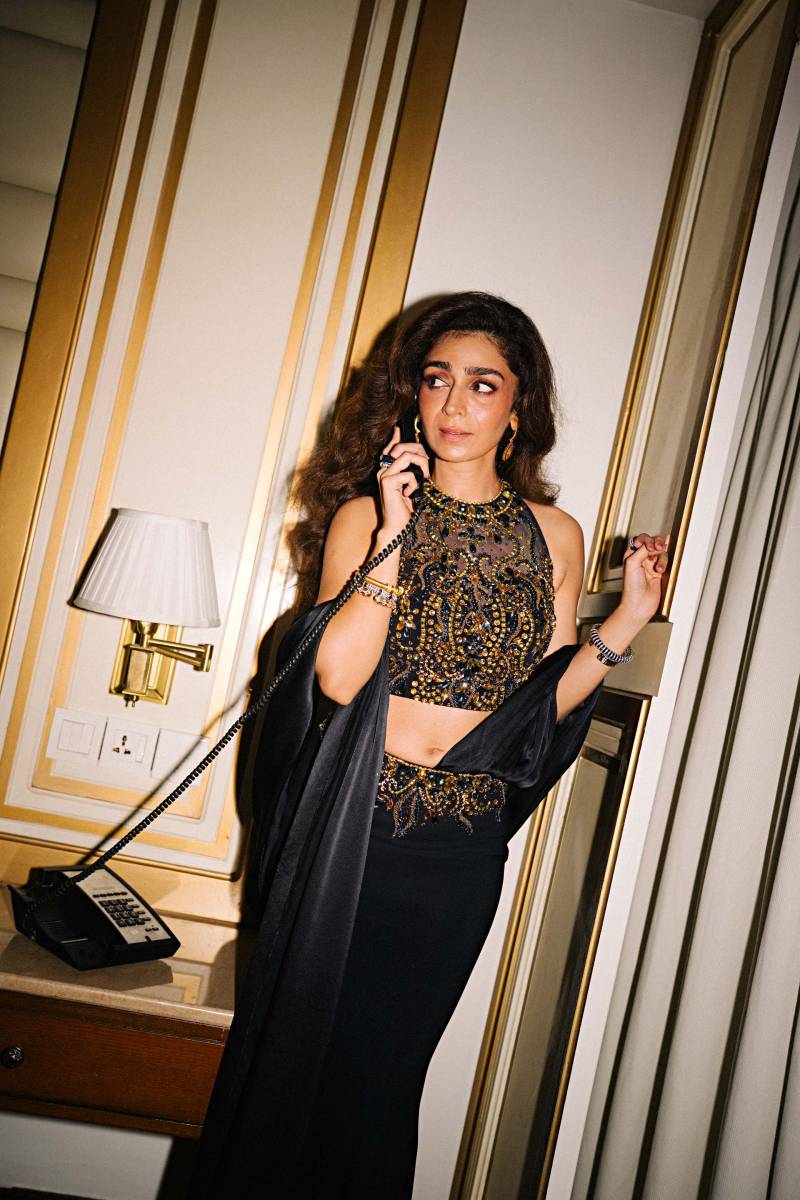
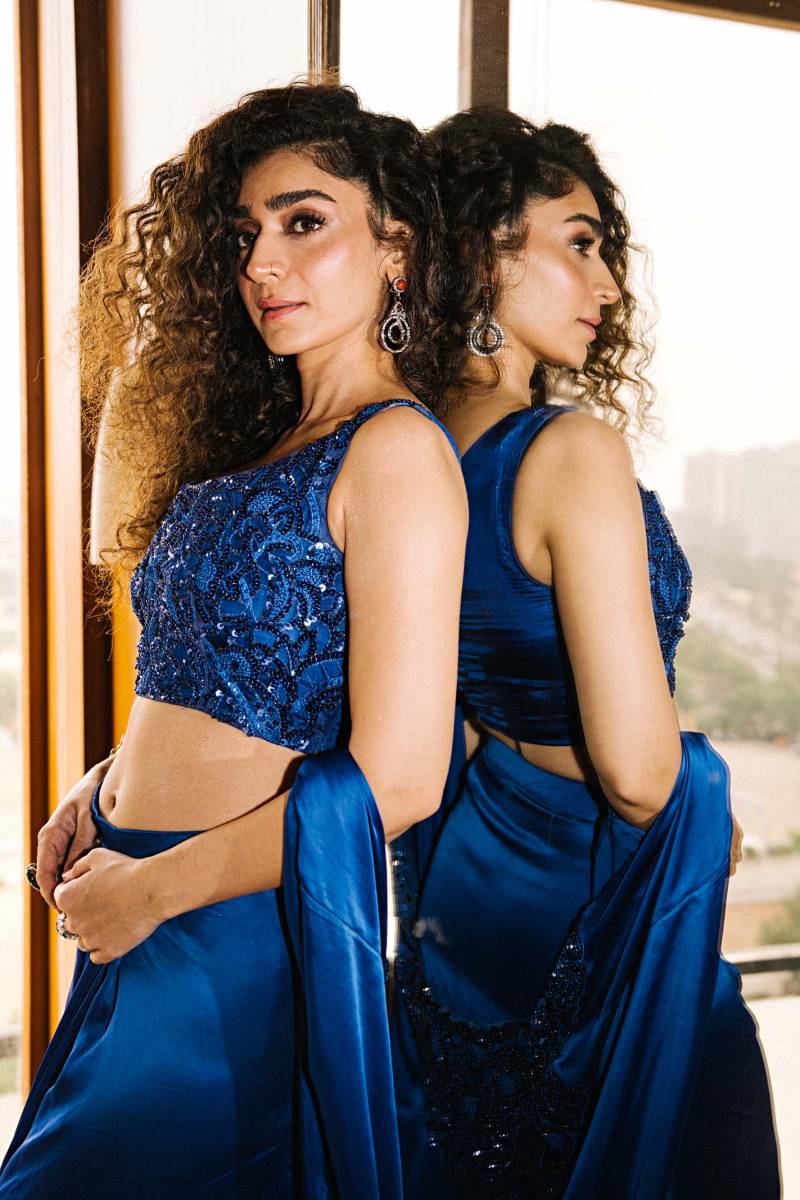
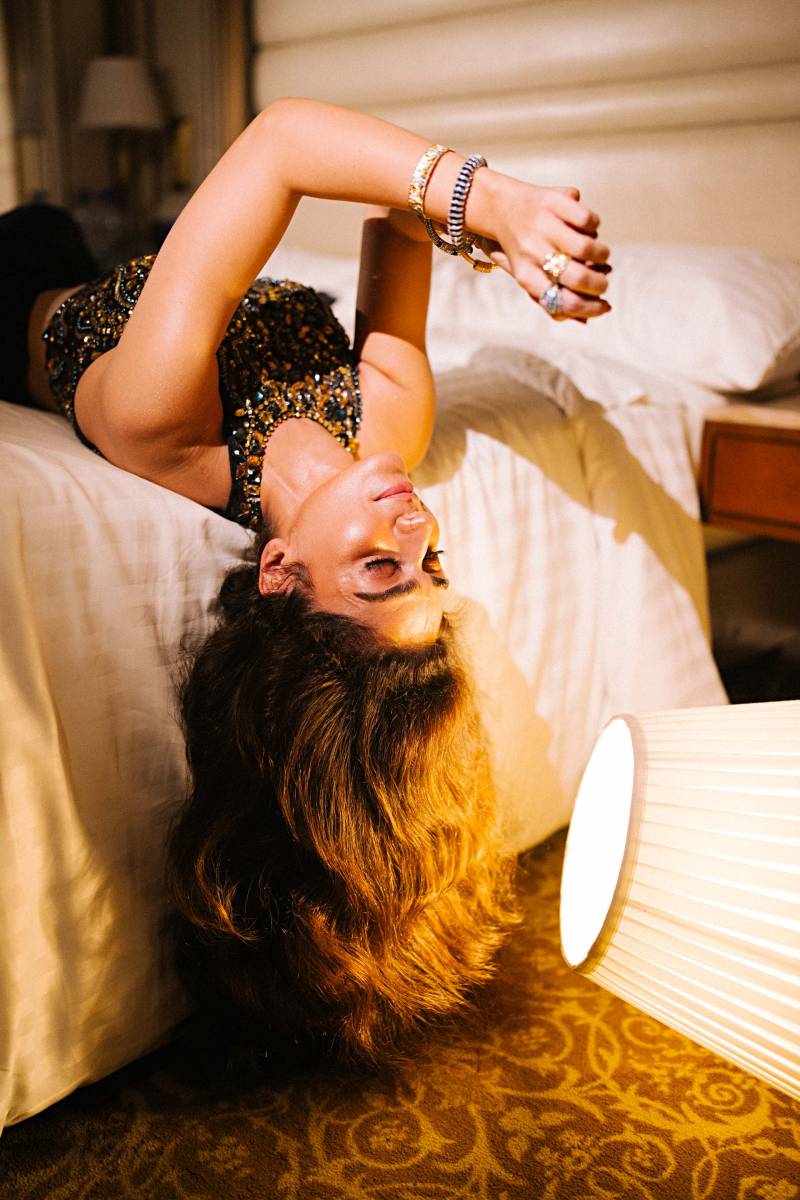
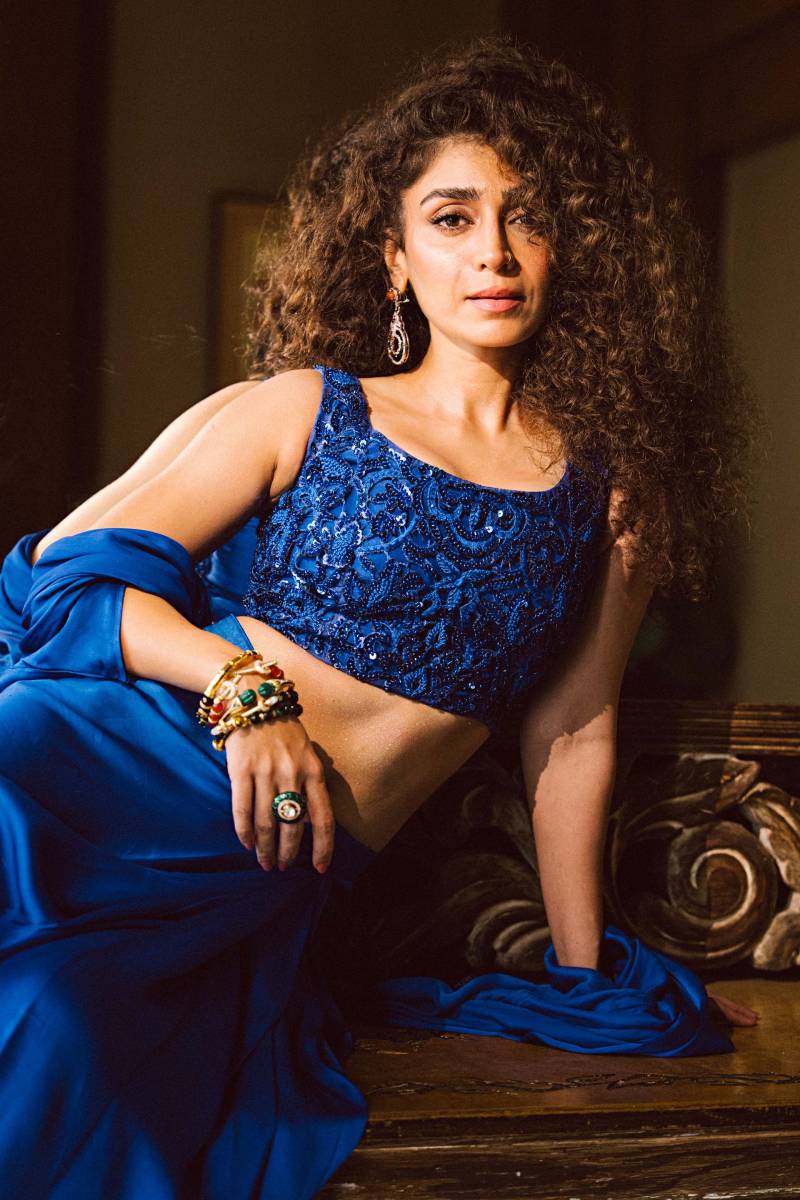
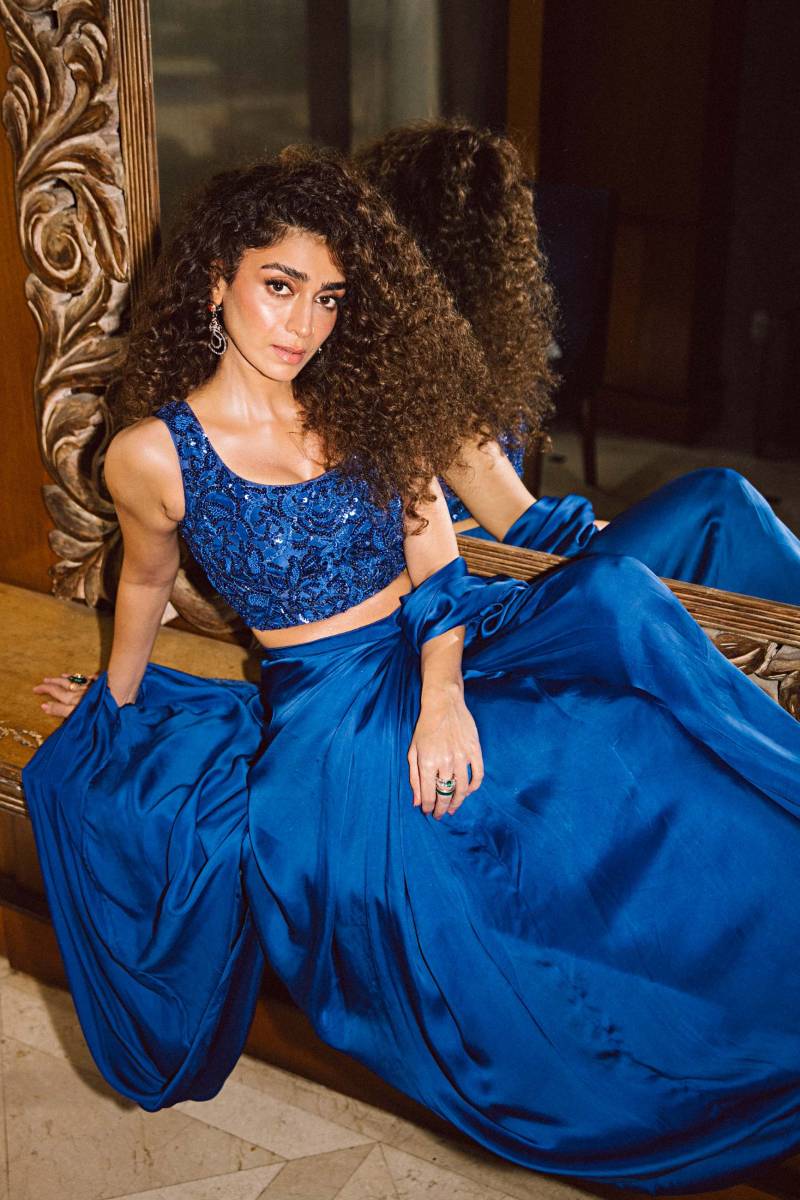
For her first HELLO! Pakistan cover, that confidence is translated into a visual language of saturated colour, liquid drapery and after-dark opulence. Dressed in Ume Salma, Hajra moves from commanding cobalt to black set alight with gold embellishment, framed by mirrors, lamplight and the intimate glamour of a room after hours. Her unmistakable curls are allowed their full theatre, but the images resist turning a signature into shorthand; what holds the frame is the woman herself, playful, composed and fully in command of the image. In the conversation that follows, she speaks with unsparing clarity about emotional abuse inside respectable homes, the politics of placement, discipline, social anxiety, women’s authority behind the camera and the future she intends to build. This cover captures an actor at a consequential threshold: no longer waiting for recognition to catch up, but deciding what she wants it to make possible.
“I think silence has been highly underrated in our storytelling on screen; I find it powerful, and I’m so glad the audience picked up on that.”
This marks your first cover with HELLO! Pakistan, although we have featured you before. What makes this moment and the version of Hajra meeting our readers today, feel particularly significant?
I feel like the timing was right and that I was being prepared to be seen the way I always wanted to be seen as an actor. I feel like this is an ongoing process and that it’s all preparing me for everything that’s yet to come.
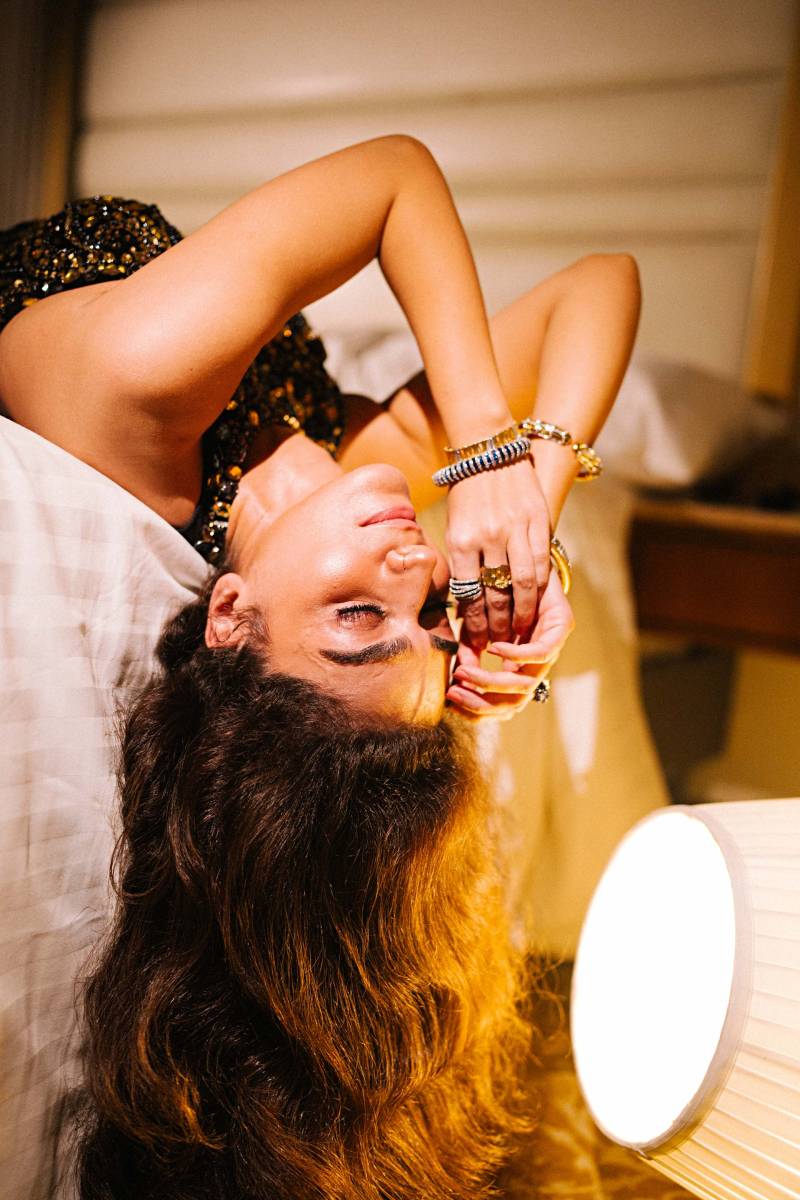
From the mood to the fashion, what did you want this cover shoot to reveal about you beyond the actress audiences see on screen?
Authenticity and connection. I’m a big believer in staying connected to your true self and never being afraid to let your audience see that side of you. You’ve always seen me in different avatars, but at the end of the day, I’m human. And my connection with my audience will always stem from that.
“Control and abuse exist everywhere. Honestly, I feel like the more education and money there is, the more well-hidden the abuse can be.”
Your performance as Minha in Dr Bahu has drawn considerable praise, particularly for the way you communicate heartbreak through restraint. How do you make silence feel as emotionally charged as dialogue?
I feel like dialogue is always the expected way to express something to an audience. I think silence has been highly underrated in our storytelling on screen; I find it powerful, and I’m so glad the audience picked up on that.
As long as I’m true to my character and to what I’m feeling in that moment, and my internal monologue is aligned with my emotions and thought process, my body and expressions naturally follow.
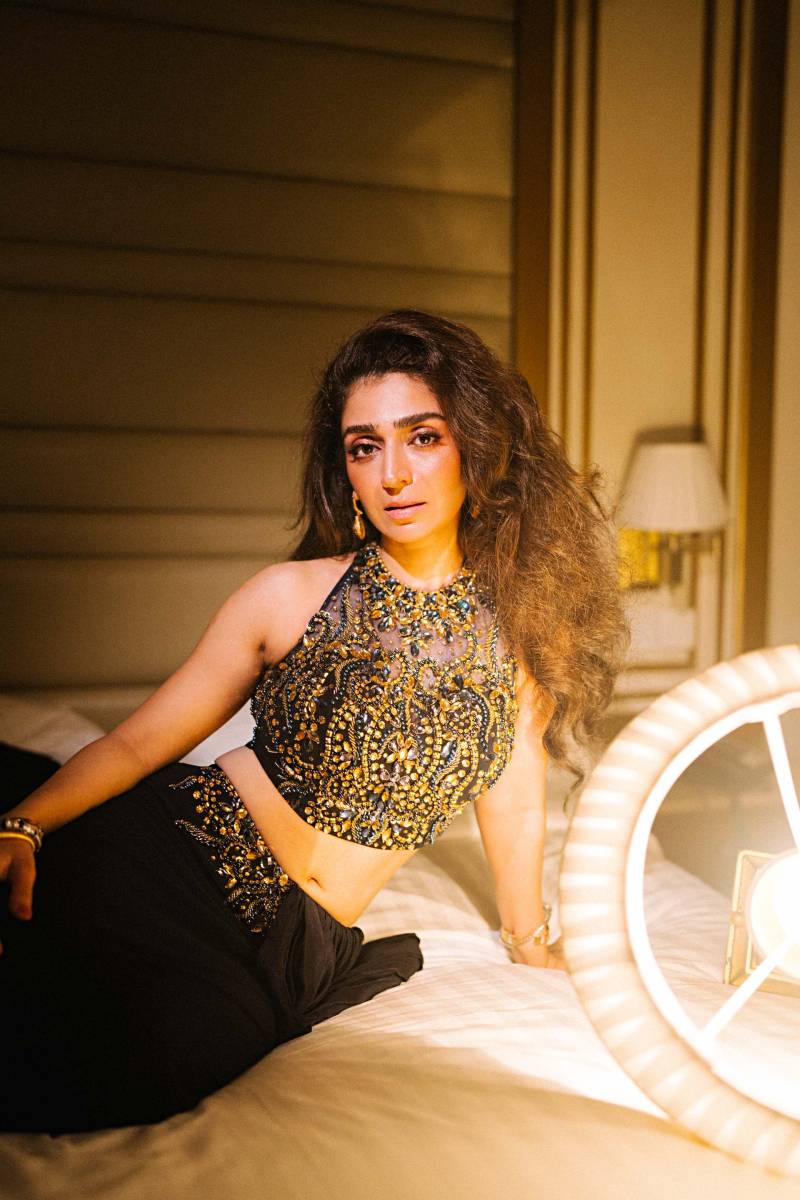
Minha is educated and capable, yet years of emotional conditioning have weakened her confidence. What did playing her teach you about the quieter forms of control that can exist inside seemingly progressive households?
Control and abuse exist everywhere. They’re not confined to a certain stratum or class of society. Honestly, I feel like the more education and money there is, the more well-hidden the abuse can be, because there’s often a greater concern about maintaining a certain image in society.
“It breaks my heart to know that so many women are living with pain inflicted by the very men who were supposed to love, protect and stand by them.”
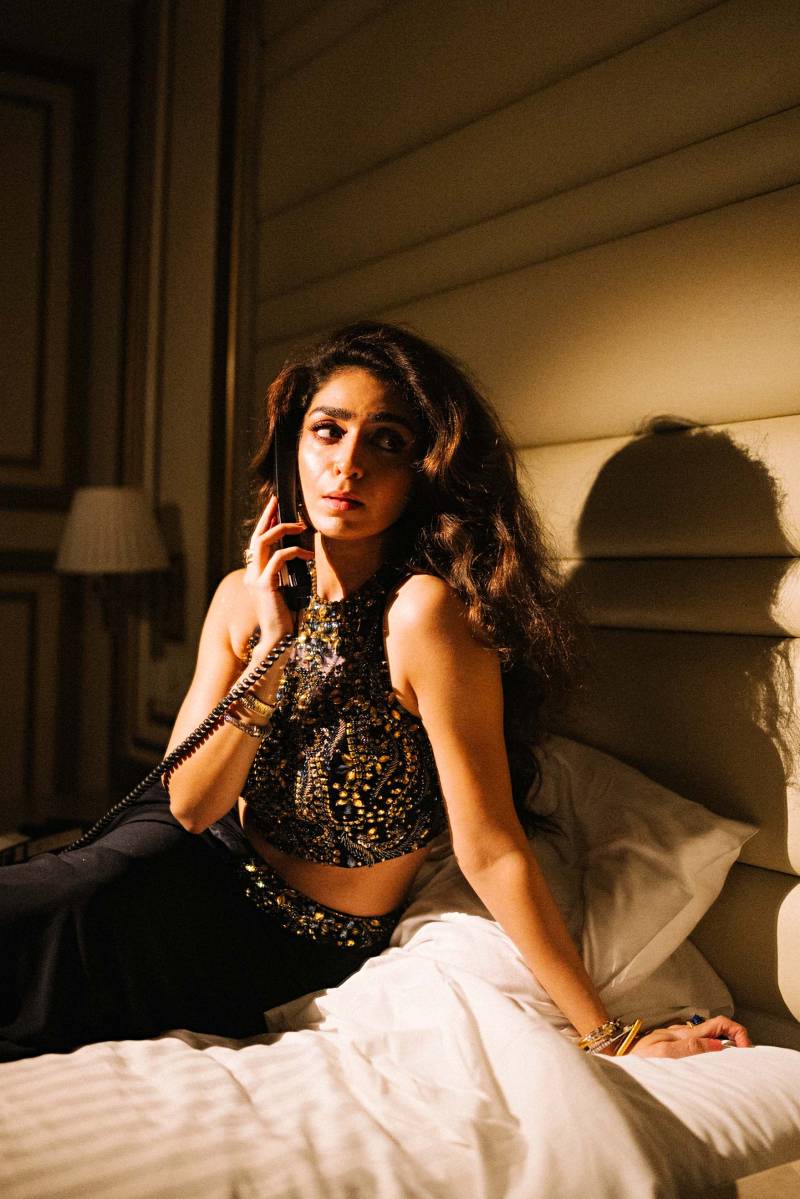
You initially questioned whether Minha might feel too similar to Sumbul from Noor Jahan. Once you began performing the role, where did you discover the most important difference between these two women?
At a certain point in their journeys, their situations seemed similar, but key differences lay in time invested, financial constraints and their understanding of companionship. Sumbul was naive and new to companionship, with everything unfolding within the first few months of her marriage. Minha, however, had spent years in her marriage and had become familiar with its recurring patterns and issues. It took her considerable time to stop trying to save it and realise that only she could free herself from it. As a result, their levels of maturity at that stage were very different. In Minha’s case, this was compounded by greater compromises in her career and years lost to the demands of her marriage.
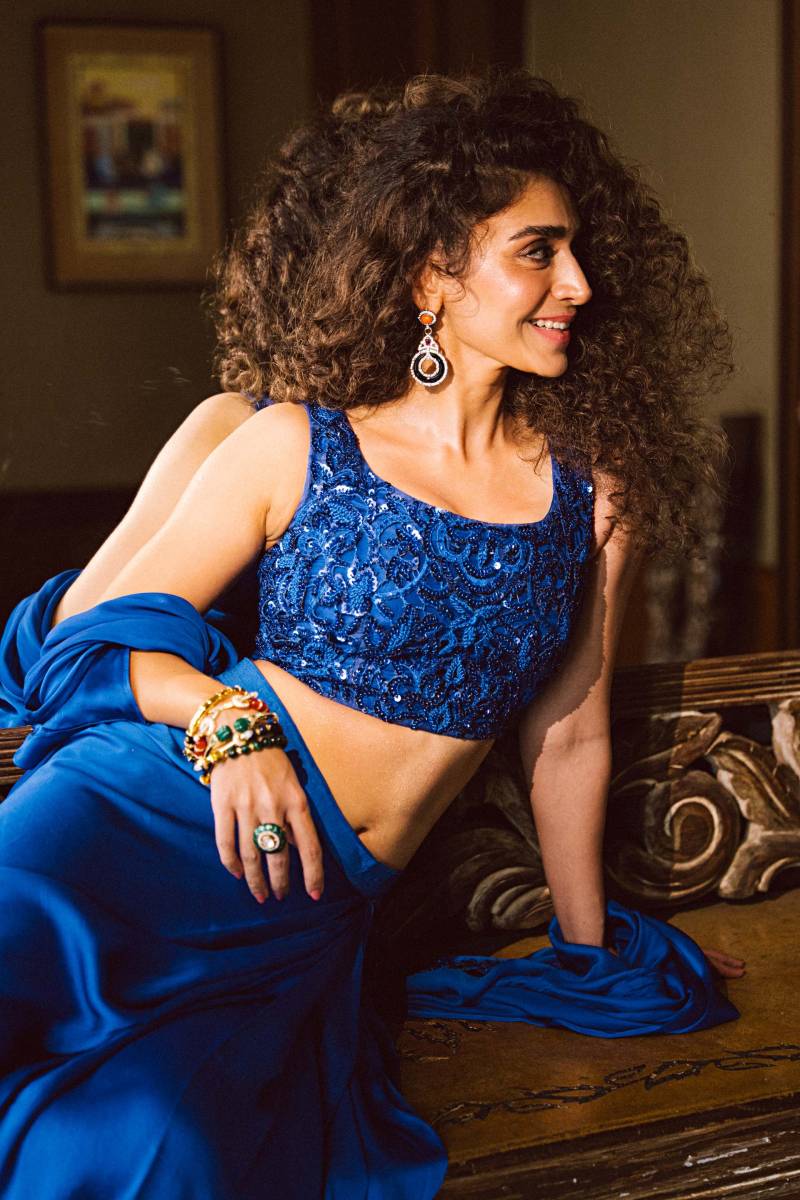
Minha’s response to betrayal has resonated deeply with viewers, especially women who recognise parts of their own experiences in her story. Has any audience reaction changed the way you understand the character or the prevalence of emotional pain within marriages?
More than anything, what stayed with me was realising just how many women are suffering in silence within their marriages. So many women reached out because they personally resonated with Minha’s pain. As grateful as I am for the response, it also breaks my heart to know that so many women are living with pain inflicted by the very men who were supposed to love, protect and stand by them.
“At the end of the day, what’s more important to me is being able to come back to myself.”
Dr Bahu, Humrahi and Aik Mohabbat Aur have brought three distinct characters from you to audiences in the same year. When projects overlap, how do you prevent their emotional worlds from bleeding into one another?
It takes a lot of practice and, honestly, it comes with time. I’m still hoping I get even better at managing it because the overlap between characters eventually happens, no matter how hard I try to avoid it.
I try to compartmentalise every character I play and work on them in a way that allows me to switch between them more easily. But no, it’s not easy. As an actor, I prefer to stick to one project at a time because, more than anything, it can become really overwhelming.
At the end of the day, what’s more important to me is being able to come back to myself.
You have described your character in Aik Mohabbat Aur as unlike anything you have previously attempted. Without giving too much away, what challenged or surprised you most about inhabiting her?
Oh God! Sonya Murtaza is the kind of character who deserves to be explored even more in other stories. Representation like this matters.
She is a self-made woman, a leading journalist and a true woman of substance who has navigated the highs and lows of a newsroom dominated by men. But without giving too much away, what truly stayed with me was watching her realign her moral compass and become a girl’s girl.
I really hope we get to see more women like Sonya Murtaza on our screens.
“Placement is essential! These labels do matter, especially in environments where storytelling isn’t always fair to every character.”
You have repeatedly turned comparatively limited screen time into memorable performances. Do labels such as “lead” and “supporting actor” still hold meaning for you, or is the real measure the space a character occupies in the audience’s mind?
Placement is essential! These labels do matter, especially in environments where storytelling isn’t always fair to every character.
I consider myself fortunate that many of my characters have been in the hands of directors who have played fair and, in some cases, have had enough faith in my craft to trust that the right audience would find and connect with my work.
These labels will continue to matter until those moulds are broken, not just by directors and writers, but also by producers and every character in a story is given the same care, depth, attention and promotion.
“Who says commercial work can’t also be critically acclaimed? I don’t think the two have to exist at opposite ends.”
You have spoken candidly about wanting commercial success after earning years of critical recognition. What would the ideal mainstream Hajra Yamin project look like: a sweeping romance, a sharp comedy, an action role or something completely unexpected?
All of the above, please! But if I had to start somewhere, I’d love to do a sweeping romance.
I’m incredibly grateful for the critical acclaim I’ve received; it means a great deal to me. But as an artist, I want to keep exploring. I don’t want to be confined to one space or one kind of role. To me, the whole point of being an actor is to explore the full spectrum of storytelling and challenge myself in different ways.
And who says commercial work can’t also be critically acclaimed? I don’t think the two have to exist at opposite ends. The most beautiful stories often resonate with audiences while earning critical appreciation; that’s the kind of work I’d love to be a part of.
“Discipline is my mindset, my routine, my consistency and my empathy.”
You began in theatre, a space that demands immediacy and complete presence. Which instinct from the stage still shapes your work before the camera, and is there a part of you that wants to return to live performance?
Discipline.
There’s a common misconception that actors are naturally unpredictable and that certain behaviour can simply be excused with, “They’re artists.” I’ve never agreed with that. I think this assumption is lazy and unfair.
What’s truly helped me stay committed to my craft is discipline. Discipline is my mindset, my routine, my consistency and my empathy. All of these things combined have allowed me to show up fully and present every character in the best possible way.
What makes me want to go back on stage? The adrenaline rush of a live performance, the energy of that moment and its unpredictability.
You have said that genuine change in the industry requires more women making decisions behind the camera. If you were handed the producer’s chair tomorrow, what kind of female story would you green-light first?
Anything related to girls’ education, content truly focused on children, and stories addressing physical and emotional abuse at home. Before you go out identifying monsters in the outside world, start identifying them at home first by believing your children and your women.
“Before you go out identifying monsters in the outside world, start identifying them at home first by believing your children and your women.”
You describe yourself as socially anxious and have built a career largely through your craft rather than constant networking. In an industry that often rewards visibility, how have you learnt to protect your private self without making your ambition smaller?
By structuring and simplifying things for myself. By having delusional faith and, like I said before, staying consistent and disciplined. By keeping my focus on the bigger picture, protecting my authenticity, continuing to learn, staying curious and, most importantly, having fun.
INTERVIEW: SUNDUS UNSAR RAJA
WARDROBE: UME SALMA
Stylist: Amal Qadri
HAIR & MAKEUP: WAQAR SALON
PHOTOGRAPHY: ZUNAISH SHAIKH
Jewellery: Amayra Jewels
LOCATION: PEARL CONTINENTAL KARACHI
PR & COORDINATION: ALCHEMISTS
On Set Coordination: Saneela Swaleh
BTS Video: Syed Umair