
Can You Be a Liberal Muslim and Still Live Normally in Pakistan?
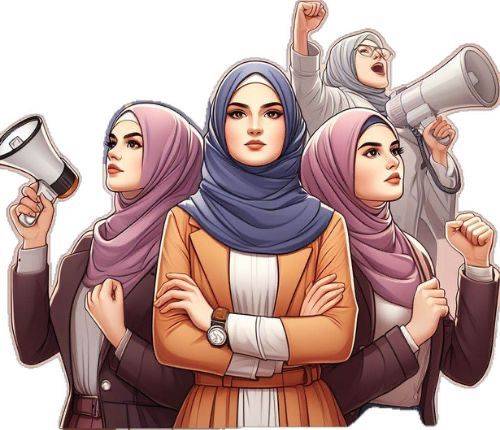
This is a question many Pakistanis ask quietly, often in private conversations, never out loud. Not on television. Not on social media. Sometimes not even at home.
On paper, Pakistan is a Muslim country with deep faith woven into everyday life. Mosques are full, religious language is common, and Islam is a shared reference point across classes. But living as a Muslim in Pakistan does not automatically mean living freely as one. Especially if your understanding of Islam does not match the loudest or most dominant version around you.
A liberal Muslim in Pakistan does not usually announce themselves. They do not wear a label. They might pray, or they might not. They might believe strongly, but also question. They may see faith as personal, flexible, and open to interpretation. And that is where the trouble begins.
In daily life, being a liberal Muslim often means learning when to stay quiet. You learn which opinions are safe in front of relatives and which ones should stay locked inside your head. A casual discussion at a family dinner about women working, music, hijab, or sectarian differences can quickly turn tense. Not because people hate you, but because disagreement around religion feels dangerous, even sinful.
At universities and workplaces, the pressure is subtler but still there. You notice how religious conformity earns social safety. You laugh along when someone makes a judgmental comment. You avoid debates. You choose silence over honesty. Living normally becomes less about freedom and more about managing risk.
Online, the stakes are even higher. Social media has turned faith into a public performance. One wrong opinion, one poorly worded tweet, and suddenly strangers are questioning your beliefs, your loyalty, even your right to exist. Many liberal Muslims learn this lesson early and delete drafts before they ever hit post.
The irony is that most liberal Muslims in Pakistan are not trying to rebel. They are not rejecting Islam. They are trying to live it in a way that feels sincere, thoughtful, and compassionate. But sincerity does not always protect you. In Pakistan, certainty speaks louder than doubt.
So can you live normally as a liberal Muslim in Pakistan? The honest answer is yes, but with conditions. You can live, but often quietly. You can belong, but selectively. You can speak, but carefully.
Normal life becomes a performance. You adjust depending on the room. You switch versions of yourself. One for home. One for work. One for close friends. One for the internet. Over time, this constant self editing can feel exhausting.
Yet despite all this, liberal Muslims continue to exist. They raise children with questions instead of fear. They practice kindness over control. They believe faith should soften people, not harden them. They survive not because the space is welcoming, but because belief is personal and resilient.
The real question may not be whether liberal Muslims can live normally in Pakistan. It may be why living honestly feels abnormal in the first place.
And why so many people are pretending they do not feel the same way.