
Spiritual Month, Sales Month: How Brands Hijacked Ramadan in Pakistan
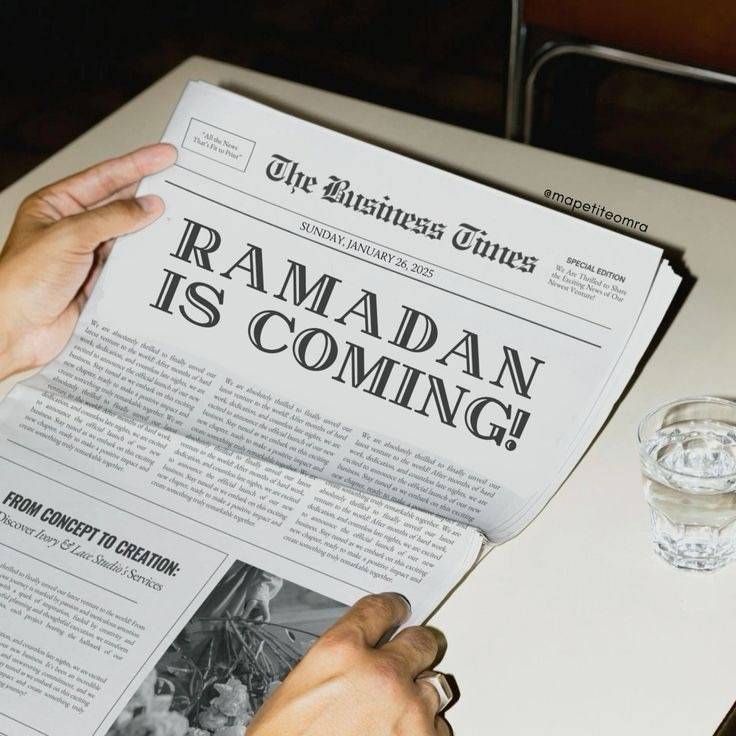
In Pakistan, Ramadan no longer begins with the sighting of the moon. It begins with a sale.
Before the first fast, our phones are already buzzing. “Ramadan Collection Launched.” “Barakat Deals.” “Limited Eid Edit.” Brands move faster than the Ruet-e-Hilal Committee, racing to cash in on a month that was never meant to be profitable.
Let’s be honest. Ramadan in Pakistan has become a business strategy.
Every year, brands wrap themselves in religion like a marketing costume. A soft naat in the background. A carefully diverse family at the iftar table. A voiceover about gratitude and togetherness. Then, right on cue, the product appears. Lawn suits. Skincare bundles. Frozen food deals. Spirituality is no longer practiced, it is packaged.
The uncomfortable truth is this. Faith sells. And Pakistani brands know it.
Walk through any mall in Ramadan and the hypocrisy is almost impressive. Islam teaches simplicity, restraint, and modesty. Brands sell heavily embroidered outfits that cost more than a month’s groceries for an average household. Modesty is preached while extravagance is promoted. No one calls it out because it has become normal.
Eid, especially, has turned into a full-blown fashion competition. One outfit is not enough. There is an unspoken checklist. One look for iftar invitations. One for chaand raat. One for Eidmorning photos. One for visiting relatives. Social media has made sure everyone is watching, and brands are more than happy to provide the costumes for this performance.
Ramadan marketing in Pakistan thrives on emotional manipulation. Ads do not tell you to buy. They make you feel guilty if you do not. They suggest that good mothers, caring daughters, and respectable families all choose the right brands. If you really loved your family, your iftar would look like this. If you were truly grateful, your Eid would look like that.
Even charity is no longer safe from branding.
Every Ramadan, companies proudly announce donation drives, zakat partnerships, and ration campaigns. On the surface, it looks generous. Look closer, and charity becomes content. A photoshoot. A press release. A way to clean a brand’s image while selling more products. Giving quietly, as religion teaches, has no marketing value.
The most disturbing part is how detached this entire system is from the reality of most Pakistanis. Inflation is crushing households. Basic food items are becoming luxuries. Yet Ramadan ads show overflowing iftar tables and expensive Eidshopping sprees as if that is normal. Brands sell aspiration while ignoring the anxiety it creates.
Ramadan is supposed to reduce our attachment to the duniya. Pakistani brands do the opposite. They turn restraint into indulgence and worship into an aesthetic. Fasting all day is framed as a reward that ends in excess. Eat more. Buy more. Spend more. Because apparently, that is what a blessed month looks like now.
And we, as consumers, are not innocent.
We share the ads. We chase the trends. We judge each other’s Eid looks. We complain about materialism while adding items to our carts. Brands did not hijack Ramadan alone. We handed it over, one purchase at a time.
The tragedy is not that businesses make money in Ramadan. It is that a sacred month has been reduced to a seasonal campaign. A theme. A content calendar.
Ramadan was meant to strip life down to what matters. Instead, it has been dressed up, filtered, sponsored, and sold back to us.
Maybe the real test this Ramadan is not hunger or patience. Maybe it is whether we can tell the difference between faith and marketing.
Because if we cannot, then Ramadan in Pakistan is no longer spiritual first.
It is sales first.
And that should make us uncomfortable.