
THE MODEST TURN: HOW MOSCOW FASHION WEEK ECHOED SOUTH ASIAN STYLE CODES
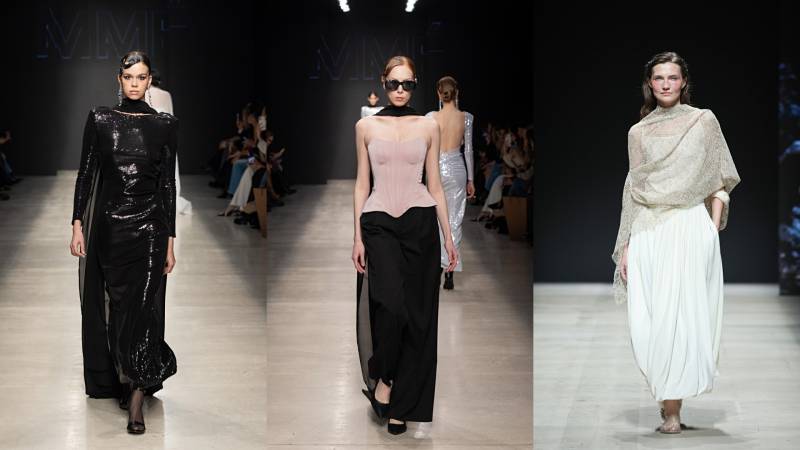
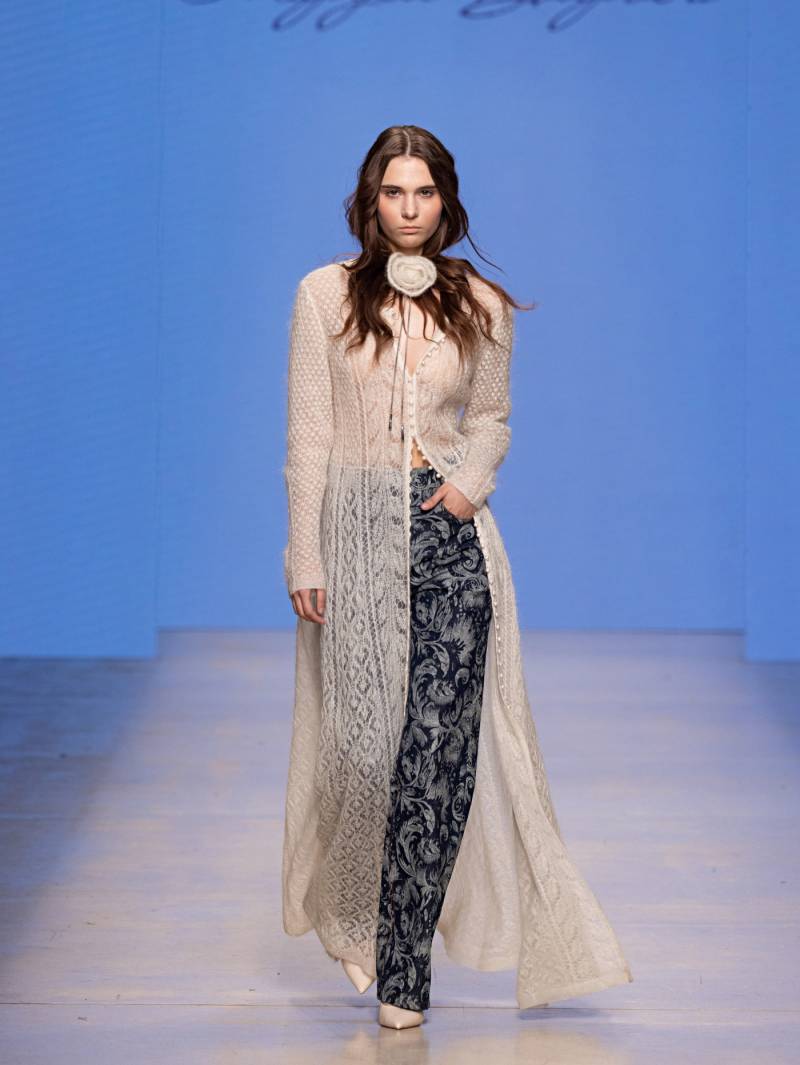
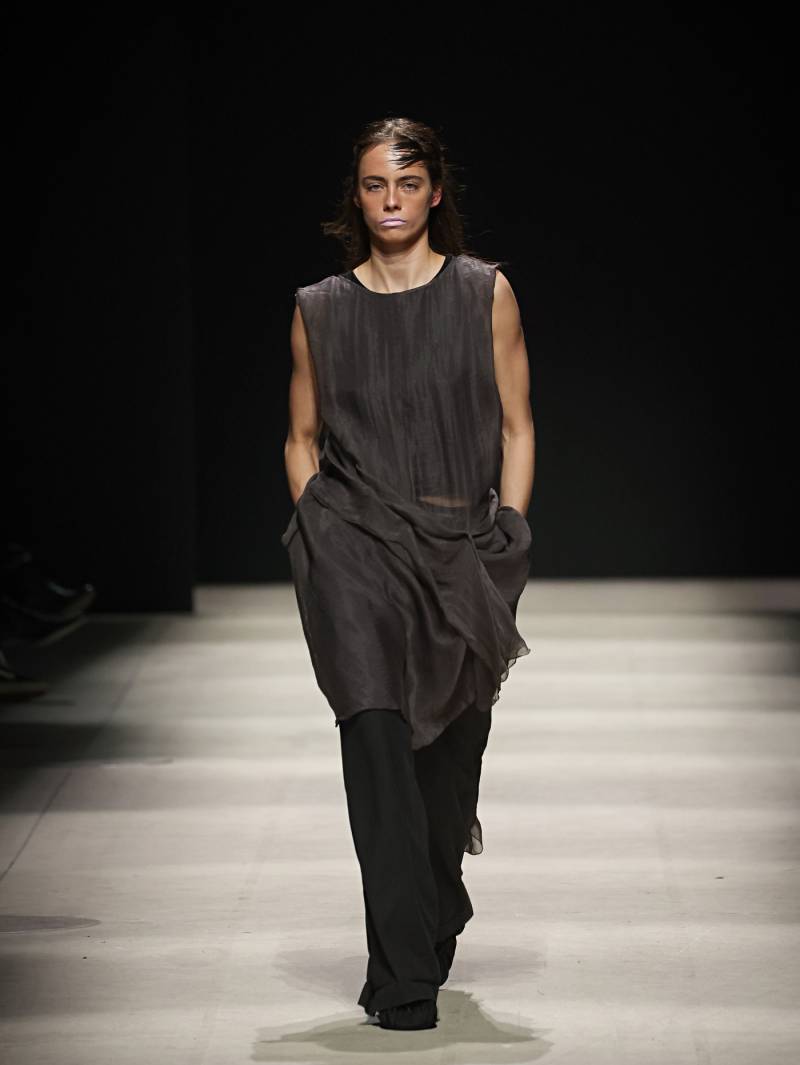
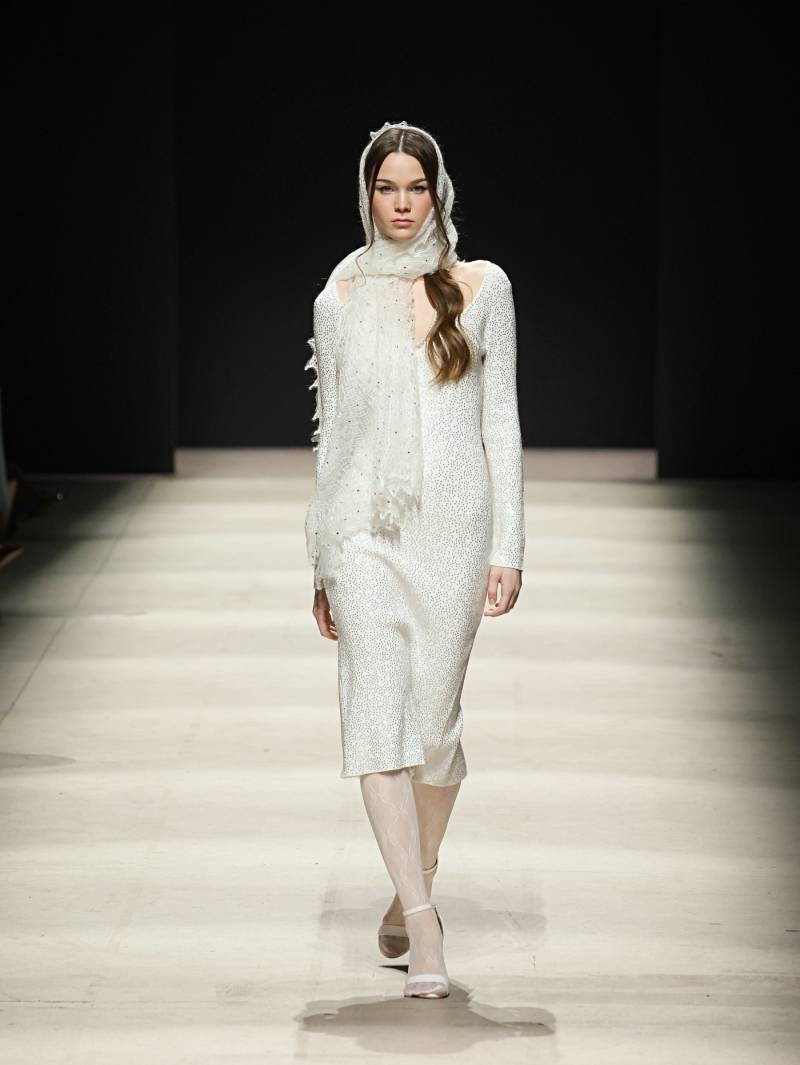
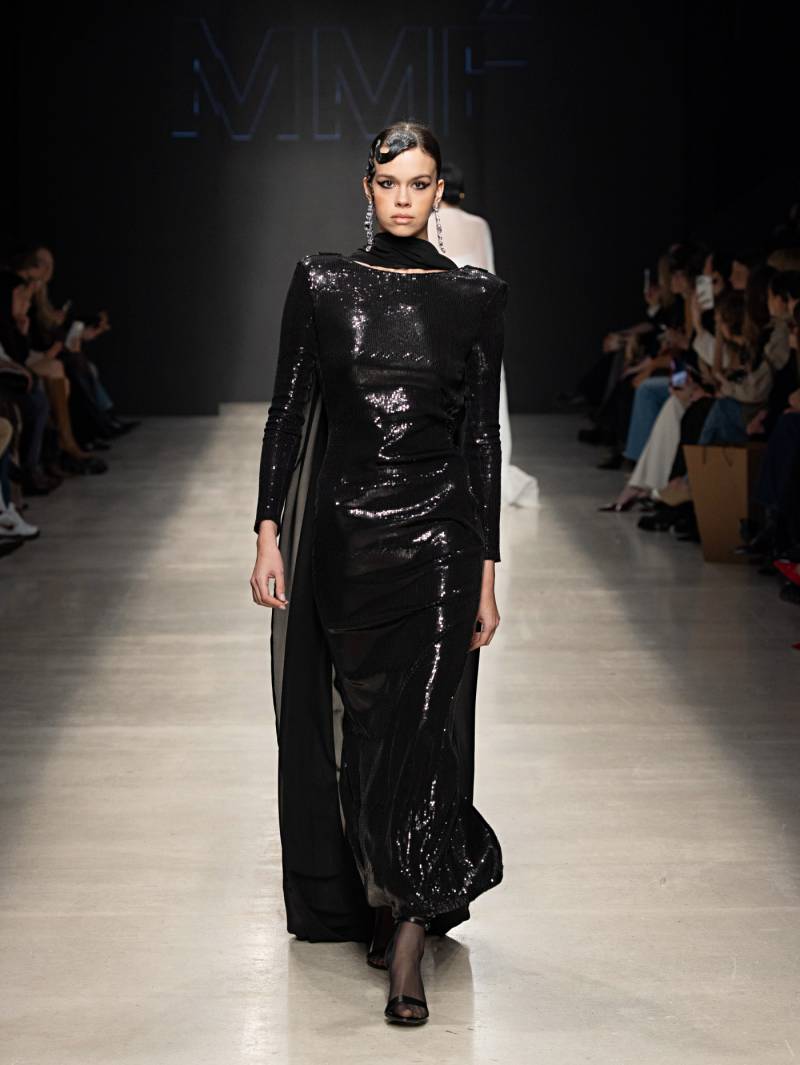

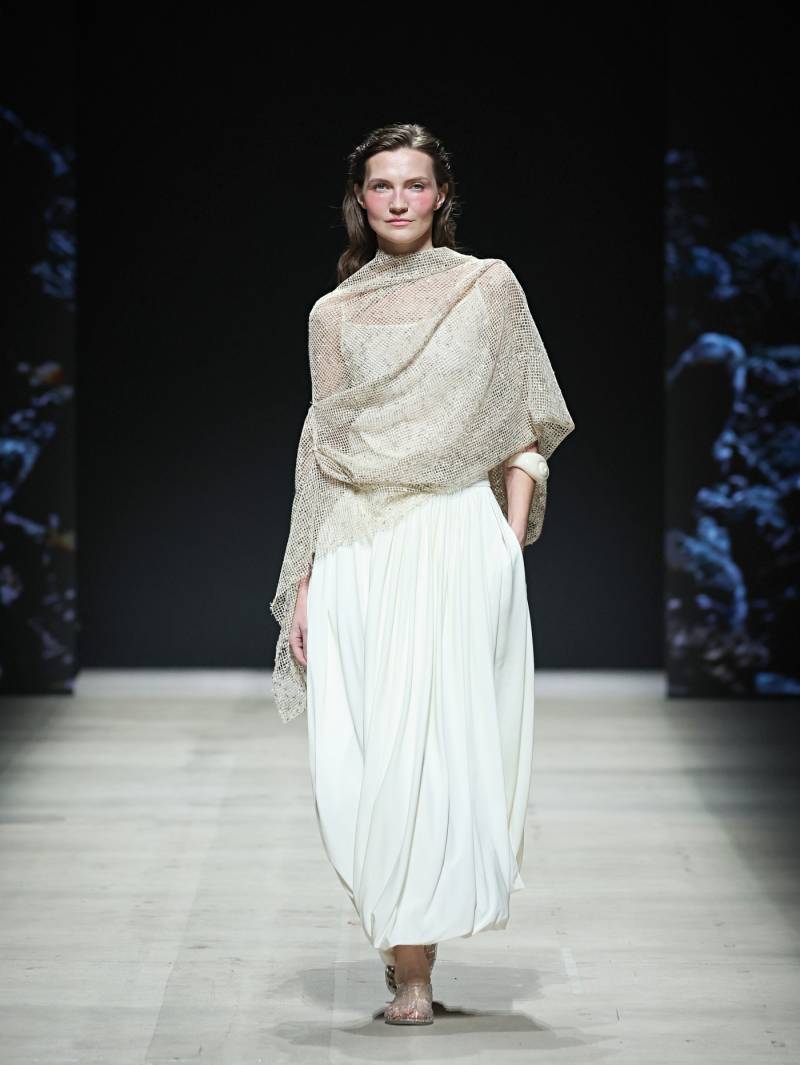
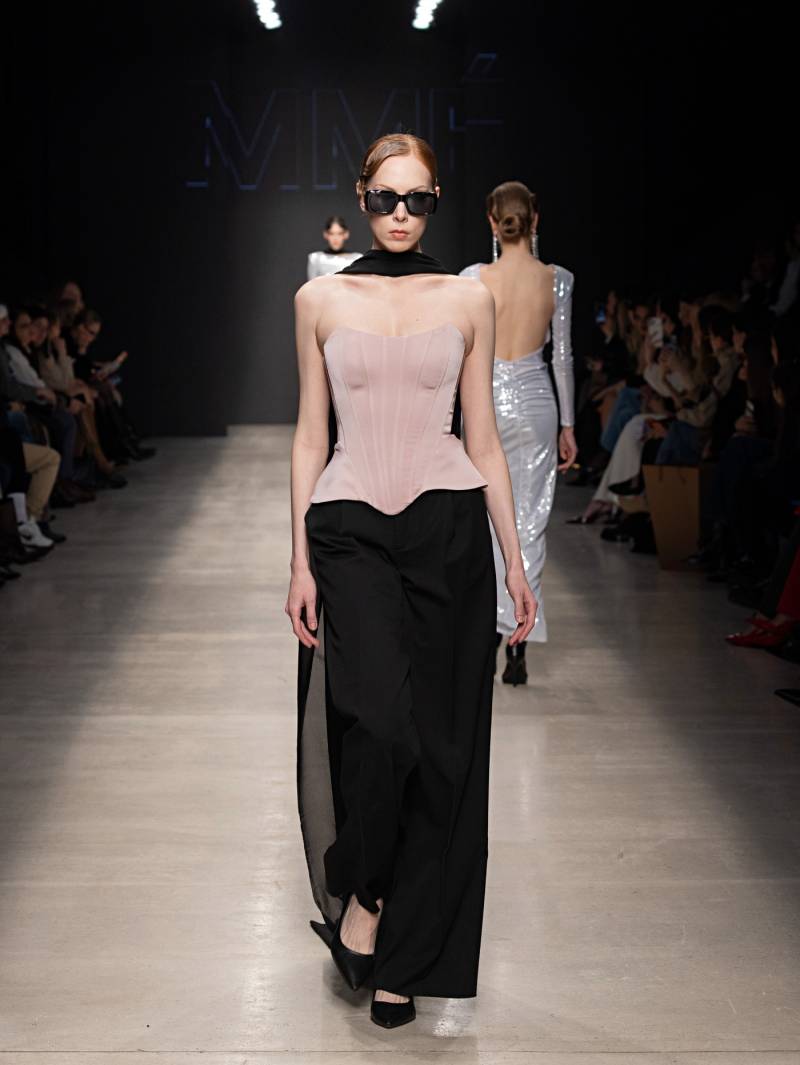
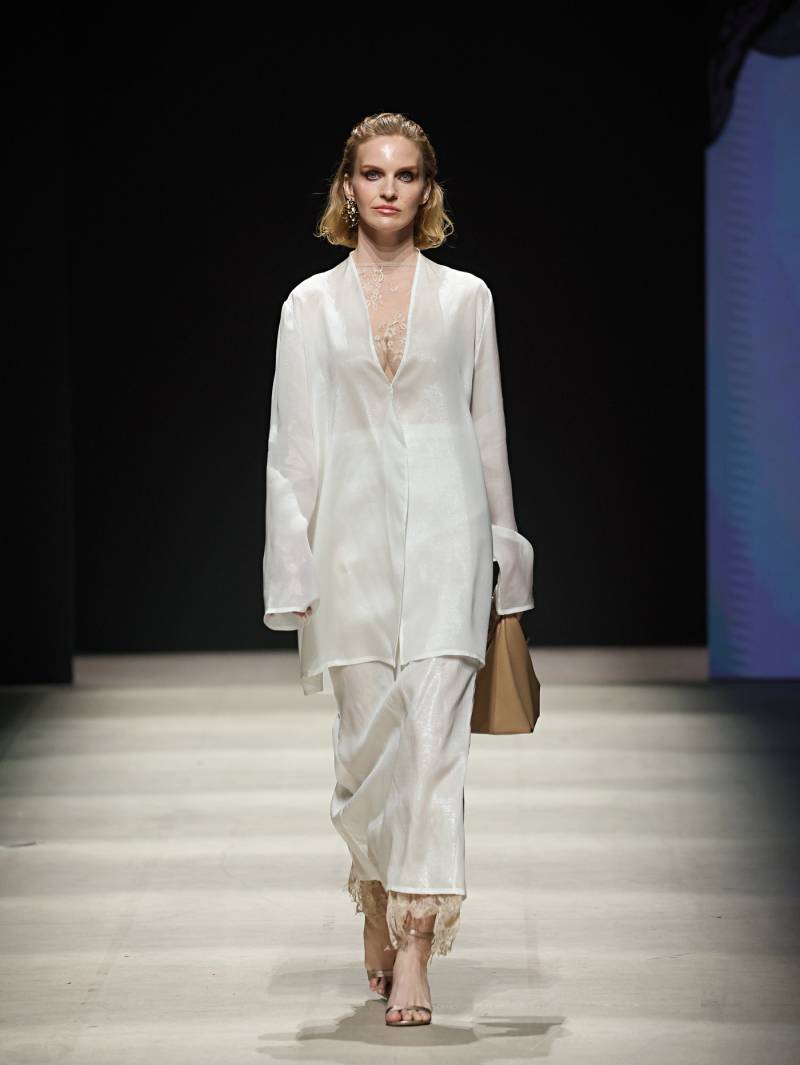
Longer hemlines. Looser trousers. Fabric that moves before it clings. At Moscow Fashion Week this March, those weren’t background details, they defined the mood across the week. Over seven days at the Manege, collections consistently leaned into ease rather than restriction, with silhouettes that felt unexpectedly familiar to a South Asian eye.

In fact, several looks stood out as immediate favourites, the kind you could seamlessly carry into Pakistani weddings, fashion weeks, or formal events without needing to rethink them at all.

Not because designers were referencing the region directly but because they were arriving at the same conclusions.

The dominance of relaxed trousers, elongated tunic-like cuts, and layered styling pointed towards a shared design instinct: letting garments flow instead of forcing structure. Even when tailoring appeared, it softened, vests over wide-leg pants, blazers that opened into volume, pieces that framed the body rather than shaped it. And then there was the styling.

Scarves, drapes, and covered necklines weren’t treated as statements or cultural signifiers. They were simply part of the look, integrated, effortless, and current. For audiences used to the language of dupattas and layered dressing, the resemblance didn’t feel like inspiration. It felt like overlap.

That’s what made this moment interesting. Because while global fashion continues to cycle through extremes, sharper cuts, louder visuals, more exposure, Moscow’s direction this season leaned into restraint. Not minimalism in the traditional sense, but a more considered approach where proportion, movement, and fabric carried the weight of the design.

And that’s where the connection lands.South Asian fashion has long operated within this framework, balancing coverage with fluidity, structure with ease. What appeared on the Moscow runway wasn’t a reinterpretation of that identity, but it echoed the same principles without needing to label them.

For a Pakistani audience, it doesn’t read as trend forecasting. It reads as recognition.

Moscow Fashion Week may still be defining its place globally, but this season made one thing clear: the future of fashion isn’t necessarily louder or more revealing. It’s more resolved.