
Hello! Pakistan Goes Up Close with Rutaba Yaqub & Abdul Hannan on Atif Aslam’s Subah Aye Na and His Enduring Influence

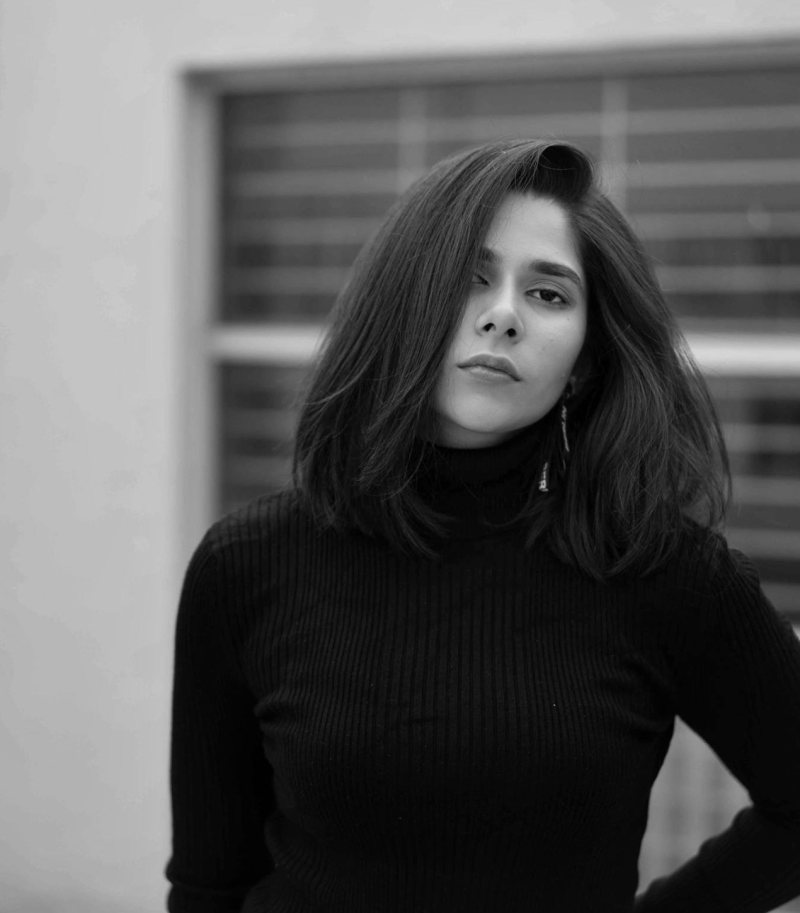
Hello! Pakistan: Atif Aslam has been one of the defining voices of South Asian music for more than two decades. From Spotify's perspective, what do you think has made his music so timeless?
Rutaba Yaqub: Very few artists become so intertwined with people's memories that you almost forget where the music ends and your own life begins. With Atif, there are songs people associate with their university days, their first love, a heartbreak, a shaadi, a long drive with friends, or those late-night moments when you just needed a particular song. For more than two decades, his voice has been there for so many of those moments.
I think a huge part of that comes down to how instantly recognizable he is. There’s a rawness and vulnerability to Atif’s voice. He can make a song feel intimate even when it’s playing to thousands of people. And the emotions he sings about, from love and longing to heartbreak and hope, don't belong to one generation.
What’s remarkable is that a whole new generation is now making its own memories with that music. Today, 85% of Atif’s audience on Spotify is Gen Z. Many of those listeners weren’t even around when “Aadat” first came out, yet they're finding their own meaning in these songs. To me, that’s when you know music has really become timeless: when it stops belonging to the era in which it was released.
Hello! Pakistan: Spotify has a unique window into how people listen to music. Are there any interesting listening habits or trends around Atif Aslam that have surprised you over the years?
Rutaba Yaqub: What really stands out to me is the role Atif’s music plays in people’s lives. His songs appear on more than 37.5 million user-created playlists globally, and when you look at what those playlists are about, from shaadis and celebrations to heartbreak, nostalgia and late-night listening, you can almost see people's lives through them.
That's what I find so special. The same artist can be there when someone is celebrating one of the happiest days of their life and when someone else is sitting alone listening to a heartbreak song at 2 a.m. His music has found a place at completely opposite ends of the emotional spectrum.
And that connection isn't slowing down. Over the past year alone, more than 41 million listeners discovered or returned to his music, while albums like Doorie and Meri Kahani are still being listened to nearly two decades later. Those numbers are impressive, of course, but what they really tell us is that people continue to find moments in their lives where an Atif song feels right.
Hello! Pakistan: Atif Aslam's music has become the soundtrack to countless milestones—from weddings and road trips to heartbreak and celebration. Why do you think his songs continue to hold such a special place in people's everyday lives?
Rutaba Yaqub: Because his songs are incredibly easy to make your own. You can hear a few seconds of a track and suddenly you're back in a specific car, at a particular shaadi, thinking about someone you haven't spoken to in years, or remembering exactly who you were when you first heard it.
There’s also something in Atif’s voice that makes emotion feel very immediate. He doesn't need to overcomplicate it. Whether he's singing about longing, love or loss, there’s a certain ache in his delivery that people recognize instinctively.
After more than 20 years, those associations become incredibly powerful. The songs aren't only part of Atif's catalogue anymore; they belong to millions of individual memories. And now younger listeners are attaching completely new memories to those same songs, which is beautiful to see.
Hello! Pakistan: Pakistani artists are increasingly finding audiences beyond their home market. How has Spotify helped amplify Pakistani music globally, and what role has an artist like Atif Aslam played in that journey?
Rutaba Yaqub: Streaming has completely changed the journey a Pakistani song can take. An artist can release something in Lahore or Karachi and very quickly find someone listening to it in Dubai, London or Toronto. Discovery is no longer limited by geography in the way it once was.
Atif was doing something similar before streaming had reached this scale. His music connected with South Asian audiences across borders and helped create an international appetite for Pakistani voices. Today, his music continues to reach listeners in markets including the US, UK, Canada and Bangladesh.
What Spotify can do now is make that kind of discovery possible for many more artists. Through playlists, recommendations and personalized discovery, a song can reach someone who may never have actively searched for Pakistani music before. That's an exciting shift because it means there are more pathways than ever for artists from Pakistan to find the audiences that will connect with what they're creating.
Hello! Pakistan: At Spotify, you work closely with artists across different stages of their careers. What makes artists like Atif Aslam important in shaping the next generation of musicians?
Rutaba Yaqub: I think the most powerful thing Atif gave younger Pakistani artists was proof. He showed that a voice from Pakistan could become part of people's lives far beyond Pakistan, and that kind of example changes what younger artists imagine is possible for themselves. His music has now reached listeners in 184 countries, which says a lot about how far a distinctly South Asian voice can travel.
But I don't think his influence means the next generation needs to sound like Atif. In fact, the opposite is more interesting. His career showed the value of having a voice that people can recognize immediately as yours. Atif never sounded interchangeable: you hear that voice and you know who it is.
And his contribution now goes beyond his own music. Through his Borderless World programme, he's creating opportunities for young musicians, directors and videographers with raw talent. I think that's an important evolution of legacy: you reach a point where it isn't only about the music you've made, but also about the doors you're able to open for other people.
You can see a new generation taking that confidence in completely different directions. Artists like HAVI, Talha Anjum and Hasan Raheem aren't following one blueprint or making one kind of music. They're building identities of their own, and that individuality is exactly what makes the current moment in Pakistani music so exciting.
Hello! Pakistan: We're seeing a new wave of Pakistani artists make their mark globally. How important is it for emerging artists to have trailblazers like Atif Aslam who have already demonstrated that music from Pakistan can resonate around the world?
Rutaba Yaqub: There’s something really powerful about seeing an artist from your own music culture achieve something at that scale. It changes what feels possible for the artists who come after them.
I think that's one of the most important things artists like Atif have given the generation coming up now. When we speak to emerging artists today, there's a very different sense of possibility. They're not asking, "Can Pakistani music travel?" in the same way anymore. They're thinking, "How far can my music go, and what can I bring to it that's uniquely mine?" That's a meaningful shift.
And what's exciting is that there isn't one sound or one path they're following. You have artists coming through hip-hop and rap, others through indie and pop, and artists moving naturally between Urdu, Punjabi and English, while drawing from very different musical influences. Atif's influence isn't about the next generation sounding like him; it's about showing them how far a singular voice can go.
To me, that's what makes a legacy meaningful. It's not only about how many people are still listening to your music 20 years later. It's also about what becomes possible for the artists who come after you.
Hello! Pakistan: Spotify has transformed how listeners discover music. How has music discovery changed over the years, and what does that mean for iconic artists like Atif Aslam, whose music continues to find new audiences?
Rutaba Yaqub: What I love about discovery today is that music doesn't really have an expiry date anymore. A song can be 15 or 20 years old and still feel completely new to the person hearing it for the first time.
Someone might come across an Atif song in a playlist, hear it through a friend or get it through a recommendation, and suddenly they're going down a rabbit hole into Doorie, Meri Kahani or songs that came out before they were even old enough to remember them.
We see just how curious Pakistani listeners are on Spotify. In 2025 alone, listeners in Pakistan made more than half a billion music discoveries on the platform.
For an artist with a catalogue like Atif's, that creates this wonderful cycle where the music keeps being reintroduced. The song hasn't changed, but the listener has, and they bring their own experiences and emotions to it. That's how a catalogue can keep finding new life generation after generation.
Hello! Pakistan: Beyond streaming, Spotify increasingly creates experiences that celebrate fandom and artist communities. Why is it important to tell these stories around artists, rather than simply focusing on the music itself?
Rutaba Yaqub: Because being a fan has never just meant pressing play. Especially with an artist like Atif, people have stories attached to the music. They remember when they discovered a song, who they listened to it with, what they were going through at the time, and which version of themselves it reminds them of.
And every fan's relationship with Atif is slightly different. Someone might have grown up with “Aadat,” another person might associate his music with shaadis and family celebrations, while a younger fan might have discovered him much more recently and have an entirely different set of songs that define Atif for them.
That's really the idea behind “Discover Your Inner Aadeez.” Instead of simply telling fans about an album, we wanted to turn the lens towards them and ask: What kind of Atif fan are you? What does his music say about you?
I think that's where fandom becomes really interesting. Music gives people the connection, but fandom gives them a way to express it, share it and recognize themselves in a much bigger community.
Hello! Pakistan: As someone who works closely with Pakistan's artist community, what excites you most about the future of Pakistani music?
Rutaba Yaqub: What excites me is that I can't neatly describe what Pakistani music sounds like right now, and I mean that in the best possible way.
You have hip-hop and rap becoming major cultural forces, indie artists finding audiences with much more intimate and alternative sounds, pop continuing to evolve, and artists moving naturally between Urdu, Punjabi and English. There isn't one sound everyone is chasing, and there isn't one route artists feel they have to follow.
I'm also excited by how curious listeners have become. The average Spotify listener in Pakistan now streams more than 140 different artists each year. That gives artists much more room to surprise people and build audiences around sounds that might once have been considered too niche.
When I speak to emerging artists, I also sense much less hesitation about where their music belongs. They can make something deeply connected to what they're hearing and experiencing in Pakistan and know that the right listener could be anywhere.
That unpredictability is what excites me most. I don't think the next chapter of Pakistani music is going to sound like one thing, and I think that's exactly why it's going to be so interesting.
Hello Pakistan Interview - Abdul Hannan
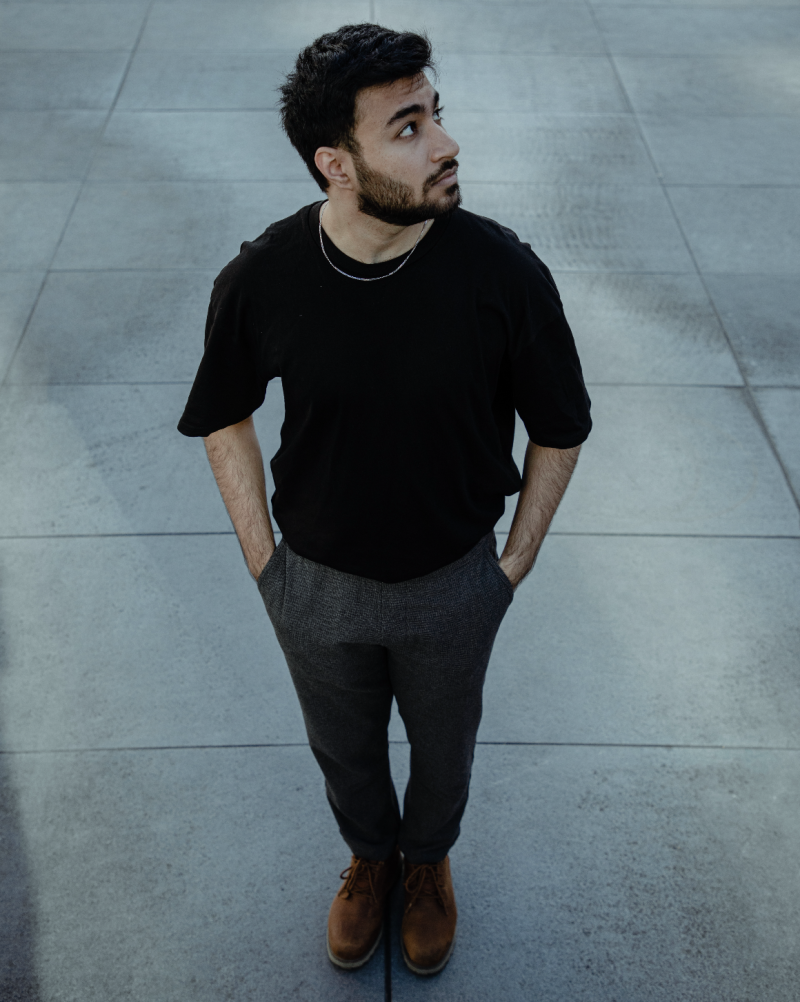
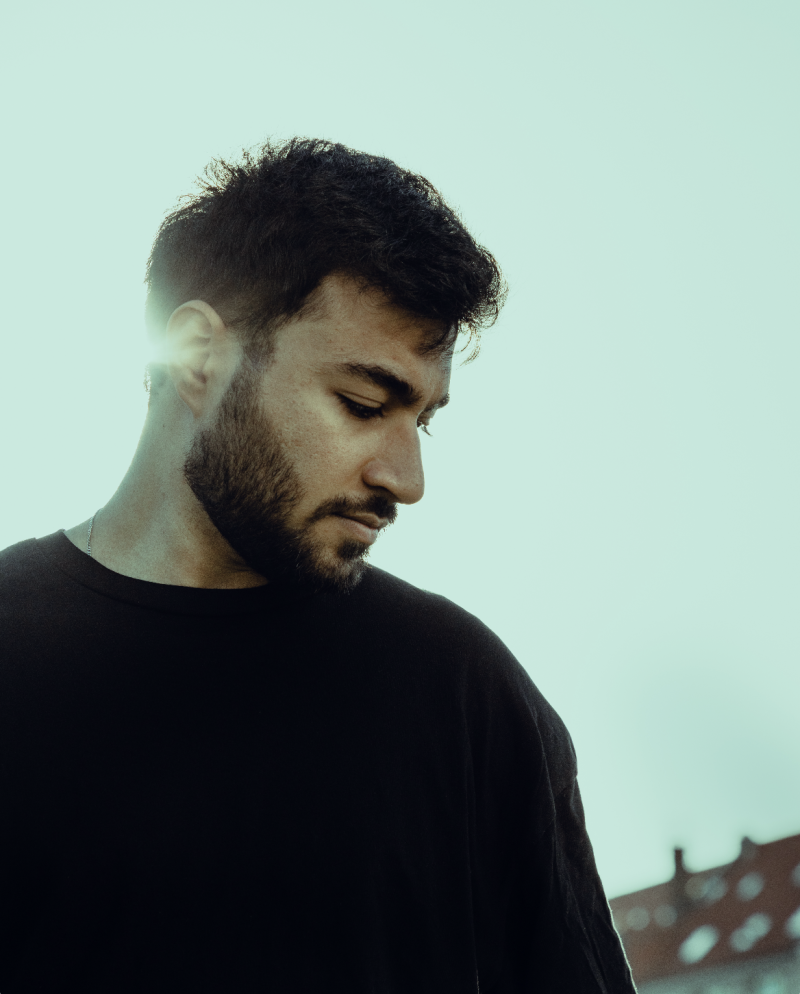
Hello! Pakistan: Atif Aslam has been one of the defining voices of South Asian music for more than two decades. What do you think has made his music so timeless?
Abdul Hannan: His vocal tone and texture, along with his singing technique which is so incredibly unique, like a fingerprint. There’s only one Atif Aslam - and there will always only be one. His music will always connect with people because of its timeless lyrics, relatability, and that pop sound which still feels relevant today, just like it did 18 or 20 years ago. His songs and compositions have become a part of so many people’s lives, and I think that’s what makes his music truly timeless.
Hello! Pakistan: Atif Aslam's music has become the soundtrack to countless milestones—from weddings and road trips to heartbreak and celebration. Why do you think his songs continue to hold such a special place in people's everyday lives?
Abdul Hannan: Because his music is so relatable, and so easy to connect to. We all grew up listening to his music, and everyone has at least one song that they associate with a particular phase or moment in their life. He’s also put out such a huge volume of music over the years that there’s always been a song that somehow finds its way into whatever you’re going through. The songs you grew up listening to are still just as special today, and I think that’s why they continue to stay with you through every phase of life.
Hello! Pakistan: Atif Aslam's music has shaped the soundtracks of millions of listeners over the past two decades. As an artist from a new generation, how has his music influenced your own journey and creative process?
Abdul Hannan: When I was young, I’d listen to his music on my headphones and imagine myself performing those songs in front of massive crowds, the way he does, again and again. It gave me a lot of motivation and became a sort of safe space for me, and it made me want to write and create music of my own. When I started writing my own music, his discography helped and guided me, since it was obviously one of the biggest sources of inspiration for me growing up. I still find myself trying to capture some of those nostalgic sounds of Atif bhai that I grew up with when I make new music.
Hello! Pakistan: We're seeing a new wave of Pakistani artists make their mark globally. How important is it for emerging artists to have trailblazers like Atif Aslam who have already demonstrated that music from Pakistan can resonate around the world?
Abdul Hannan: I think music is a very powerful thing, and we’ve seen over the last few years how quickly it can travel across the world. It’s played such an integral role in putting Pakistan on the map, and we’ve had so many global hits come out of Pakistan. So I think it’s very important for emerging artists to have trailblazers like Atif Aslam, who have already shown us that we can break those barriers, perform globally and represent Pakistan through our art. We can show the world that Pakistan is a beautiful and creative country, and that we come with a spirit of peace. It’s important that we get to travel, share our art with the world, and learn from each other along the way.
Hello! Pakistan: As someone representing a new generation of Pakistani artists, what do you think today's musicians can learn from Atif Aslam's career?
Abdul Hannan: I think the biggest thing we can learn from him is longevity. To remain relevant for almost two decades is not easy, and I think there’s a lot we can learn from how he has maintained that without compromising his style or identity. He’s always focused on his art and his touring, while staying away from controversies and attention-seeking tactics, and he’s maintained good relationships with people along the way. As a younger musician, I think his entire journey is a great example of how to lead a career gracefully, stay true to yourself, and not get caught up in all the unnecessary noise around you.
Hello! Pakistan: If you were introducing Atif Aslam to someone hearing him for the very first time, which song would you recommend and why?
Abdul Hannan: I would choose “Meri Kahani” because it has such a beautiful pop sound, with raw instrumentation and that incredible voice that really pops in the song. It has great lyrics, and there’s such an atmospheric quality to the whole thing. There’s also a very special nostalgia associated with that song for me. It was on everyone’s playlist growing up, and even today it feels just as relevant and special as it did back then. If I had to introduce someone to Atif bhai through one song, I’d choose “Meri Kahani.”