
WE FINALLY GOT AROUND TO WATCHING THE DEVIL WEARS PRADA 2 AND WE HAVE THOUGHTS
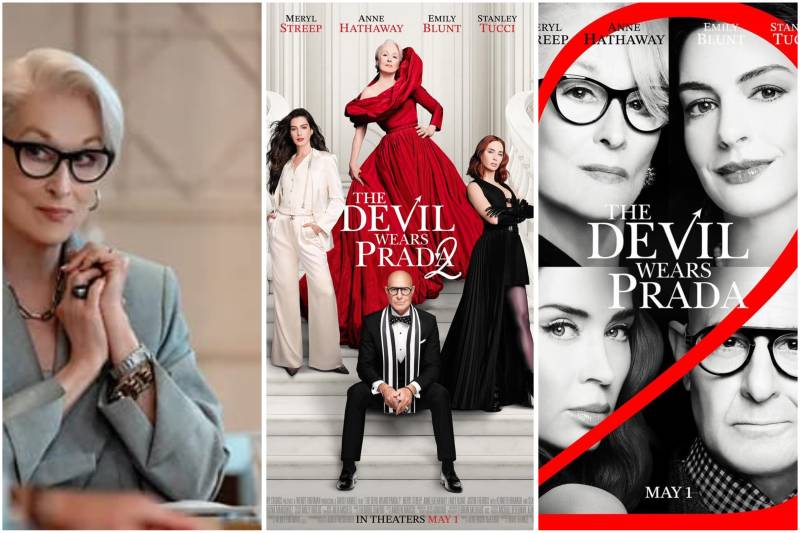
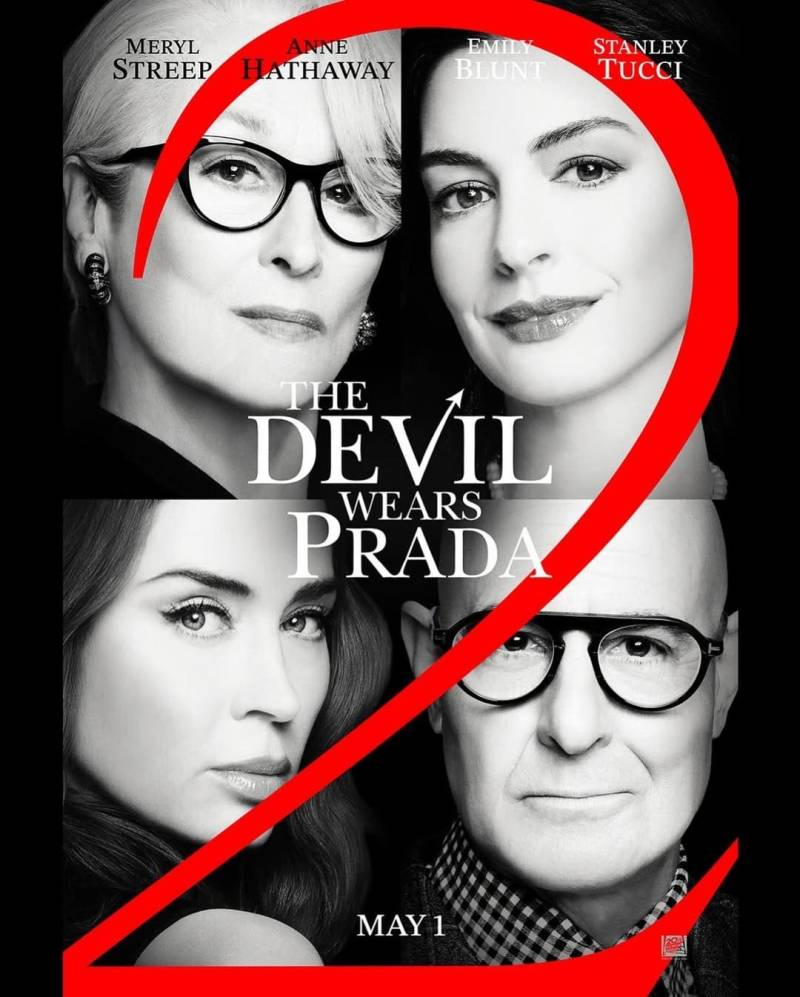
At a recent screening hosted at Raiha CineGold, the HELLO! Pakistan team walked in with sky-high expectations for The Devil Wears Prada 2 and honestly, maybe that was the first mistake. The original film has long graduated from being just another fashion movie; it’s become a cultural artefact. From cerulean monologues to Miranda Priestly’s ice-cold silence doing more damage than a scream ever could, the 2006 classic still owns a permanent place in pop culture’s couture hall of fame. So naturally, the sequel arrived wrapped in anticipation, nostalgia, and impossibly high standards.
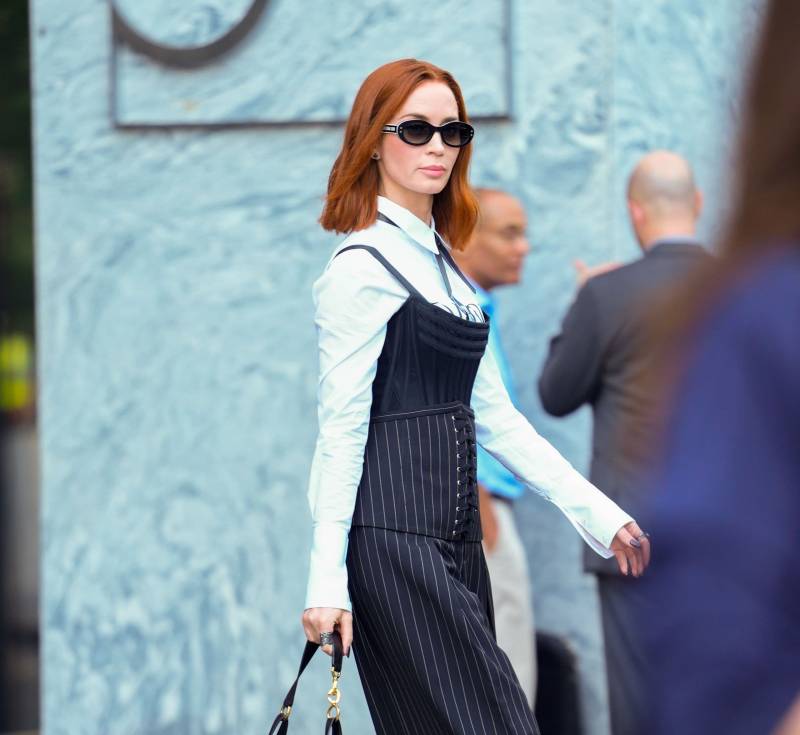
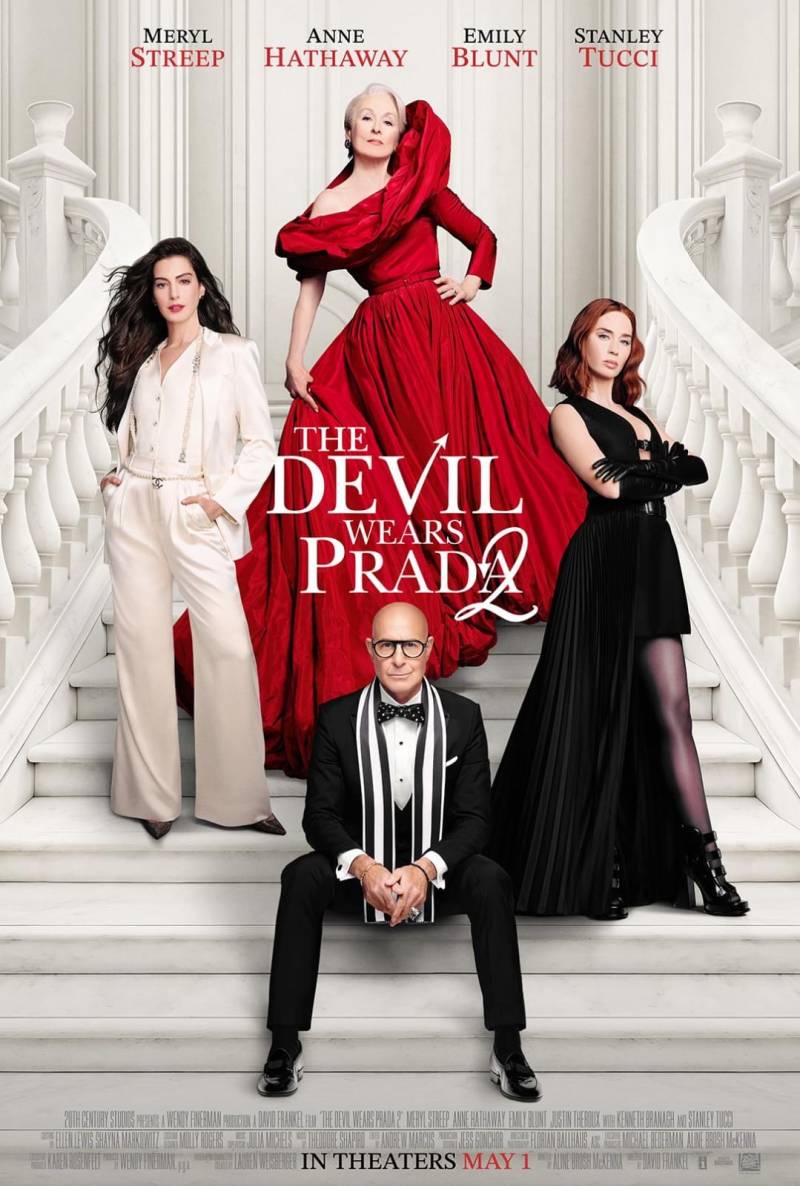
Visually, the film delivers exactly what you’d expect from the Runway universe. The tailoring is razor sharp, the coats are impossibly luxurious, and every frame looks dipped in old-money gloss and editorial polish. Andy Sachs, played once again by Anne Hathaway, returns with a far more elevated wardrobe that leans into quiet luxury and polished minimalism, while Emily Blunt’s Emily Charlton arguably walks away with the strongest character evolution in the film. There’s confidence, bite, and an effortless authority to Emily now that actually feels earned twenty years later. Even the newer additions and supporting characters slide naturally into the fashion ecosystem, particularly Miranda’s secretary played by Simone Ashley, who adds a refreshing rhythm to the otherwise heavy nostalgia-driven screenplay.
But somewhere between the immaculate wardrobes, glossy penthouses, and perfectly styled power lunches, the soul of the original feels strangely absent.
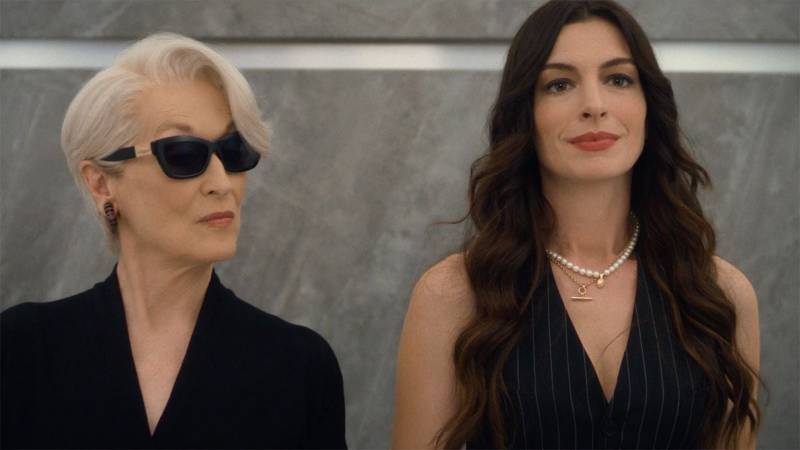
The biggest shift comes with Miranda Priestly herself. Meryl Streep is, of course, still magnetic that was never up for debate. But Miranda no longer carries the terrifying stillness that once made her so iconic. In the first film, her restraint was the weapon. A pause, a glance, the slight lowering of her voice that was enough to send an entire office into panic mode. Here, the character feels noticeably more expressive, almost softened by the realities of a modern workplace culture where HR departments, corporate oversight, and media accountability now hover over every interaction. The film even leans into this, repeatedly showing assistants and executives tempering Miranda’s sharper instincts. It makes sense narratively, but it also strips away part of the chilling mystique that made the character legendary in the first place.
And then there’s Andy.
Oddly enough, despite supposedly having two decades of professional growth behind her, Andy often still feels emotionally stuck in assistant mode. The frantic energy, the nervous scrambling, the constant reacting rather than commanding, it’s all still there. Instead of watching a woman who has truly come into her own, it sometimes feels like the film is replaying old dynamics with slightly more expensive clothes. For a sequel arriving twenty years later, that lack of evolution becomes frustrating.
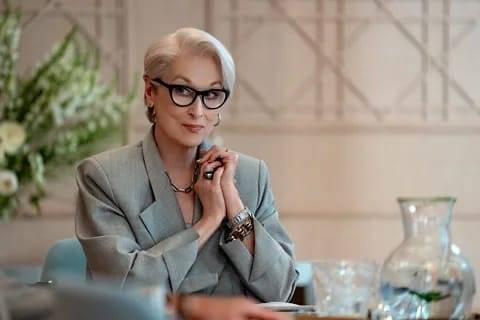
Ironically, Stanley Tucci’s Nigel remains one of the few characters who still captures the spirit of the original film effortlessly. Every scene involving him immediately regains that dry wit and understated charm the sequel desperately needs more of. Even when the screenplay becomes predictable which happens often Nigel manages to inject some life back into it.
And predictable really is the word here.
The film moves exactly where you expect it to. Every confrontation, emotional beat, reconciliation, and climax feels pre-packaged long before it arrives. By the second half, we honestly found ourselves checking how much runtime was left rather than leaning further into the story. That’s perhaps the sequel’s biggest issue: it looks luxurious, but emotionally, it rarely surprises you.
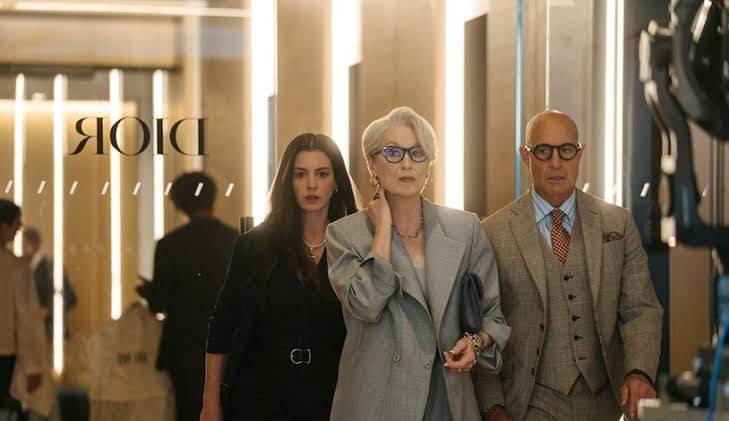
Still, for fashion lovers, there’s enough visual spectacle to make the experience somewhat worthwhile. The archival couture references, sleek styling, and glossy Manhattan editorial energy are undeniably fun to watch on the big screen. But while The Devil Wears Prada felt sharp, intimidating, and culturally defining, the sequel feels more like a beautifully dressed reunion that never fully recaptures the magic of why everyone fell in love with Runway in the first place.
Text: Sundus Unsar Raja @sublimerantr