
UMAIR KHAN AKA JOKHAY

BUILDING WORLDS THROUGH SOUND, HONESTY, AND FEARLESS EXPERIMENTATION
A defining force in Pakistan’s evolving hip-hop landscape, Jokhay has built a sound that is raw, emotional, and unapologetically honest. Known for crafting bold, immersive beats that blur the lines between hip-hop, rock, and experimental soundscapes, Jokhay’s music feels deeply personal while resonating with a generation searching for authenticity. From shaping anthems that define the culture to quietly pushing sonic boundaries behind the scenes, his work reflects lived experience, creative fearlessness, and a refusal to follow trends. As he steps into 2026 with ambitious new projects on the horizon, Jokhay opens up about his journey, his process, and the stories that continue to shape his sound.
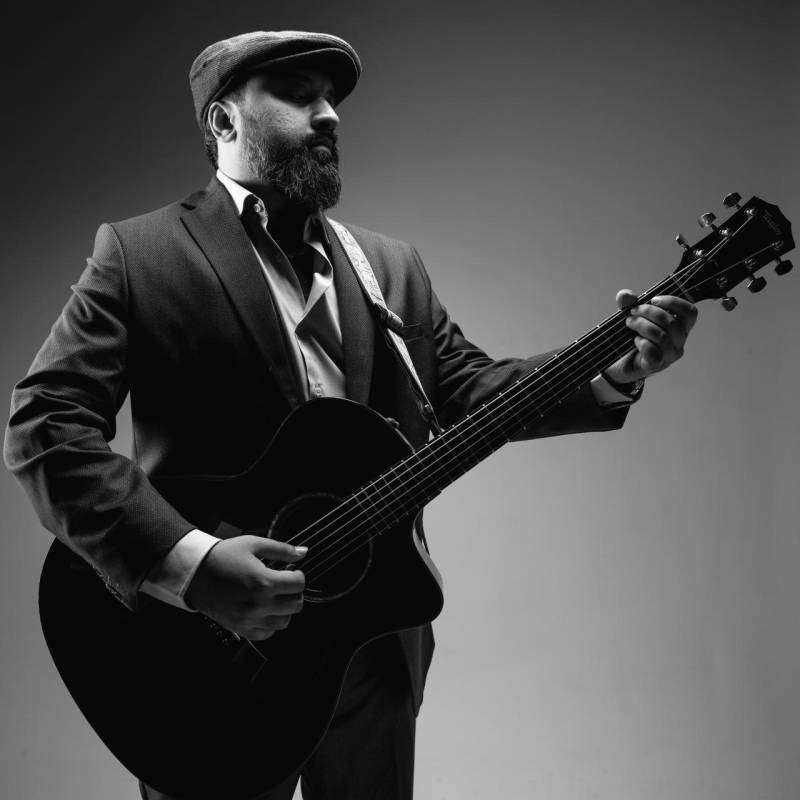
1. Hello Umair, can you share the story behind your journey into music and what inspired you to become a producer and artist?
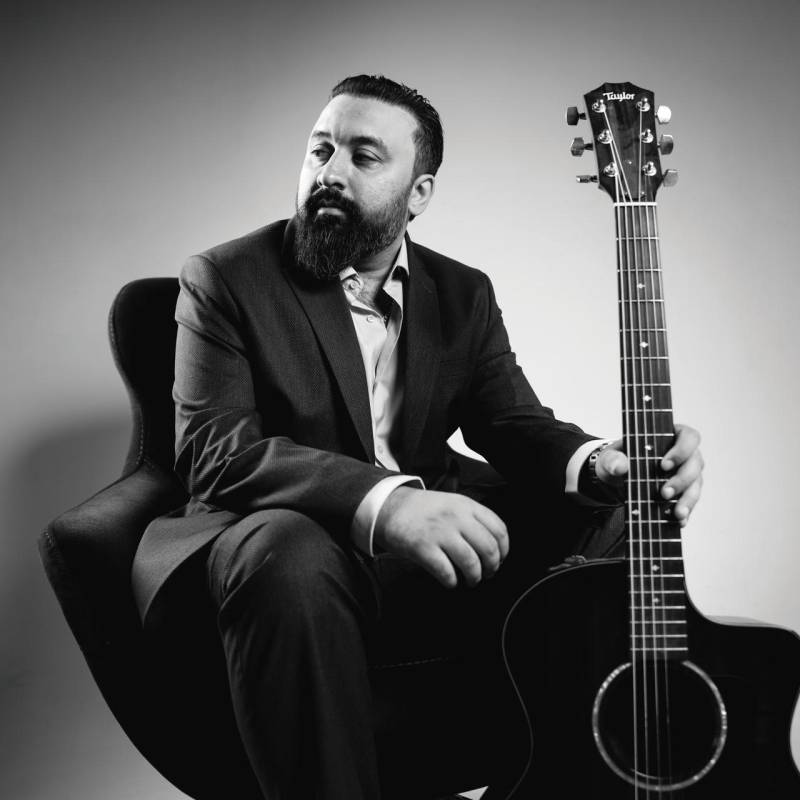
I got into music because it was the only place where I could be completely honest with myself. Life experiences, emotions, and the need to express what I couldn’t say out loud pushed me toward becoming a producer. I would also like to give credit to my elder brothers, Ammar, Zuhair, and Yasir, for introducing me to all the amazing music that shaped me and for bringing that guitar home.
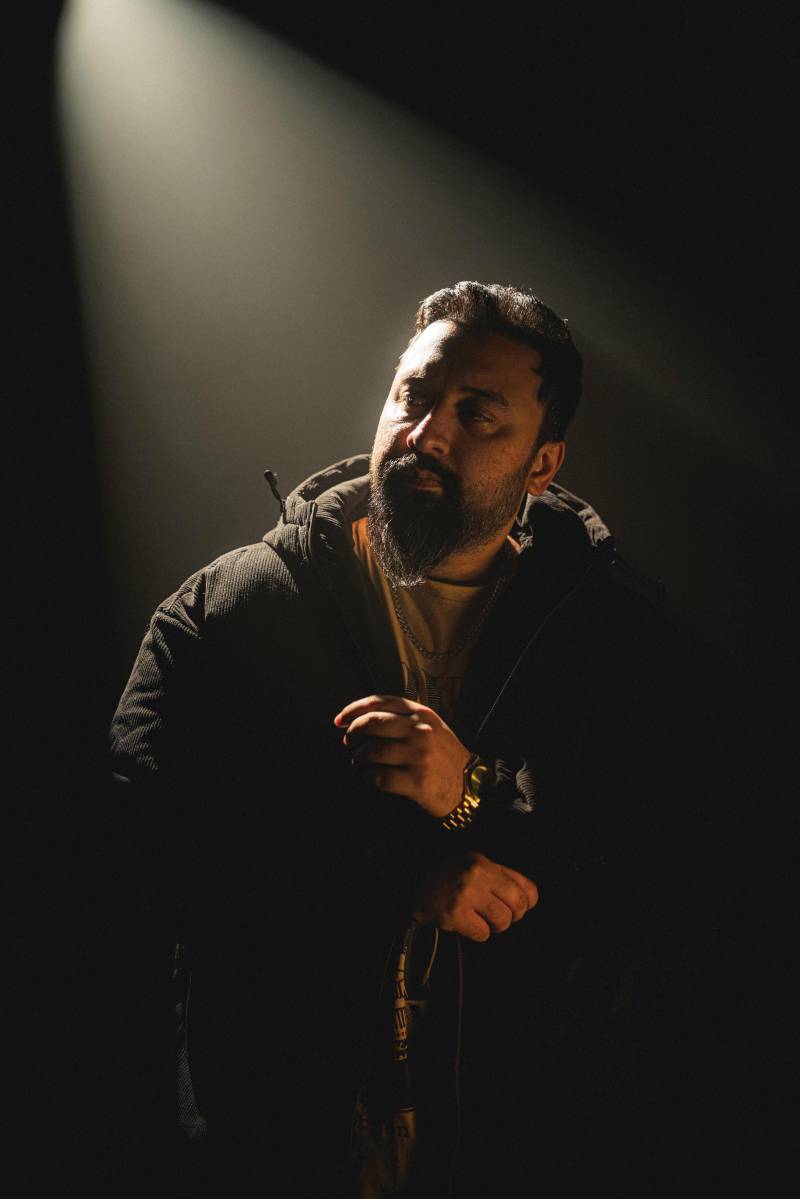
2. Which artists or genres shaped your sound the most, and how have they influenced your style?
I grew up on a mix of rock, metal, and hip-hop. Bands like Nirvana, Megadeth, and Pantera shaped me as a musician and helped me learn the technicalities.
3. Many describe your beats as bold and urban. How do you balance staying true to your roots while experimenting with new sounds?
My roots are the base. Emotion and honesty never change. I experiment with sounds, not with intent. As long as it feels real, I let it evolve.
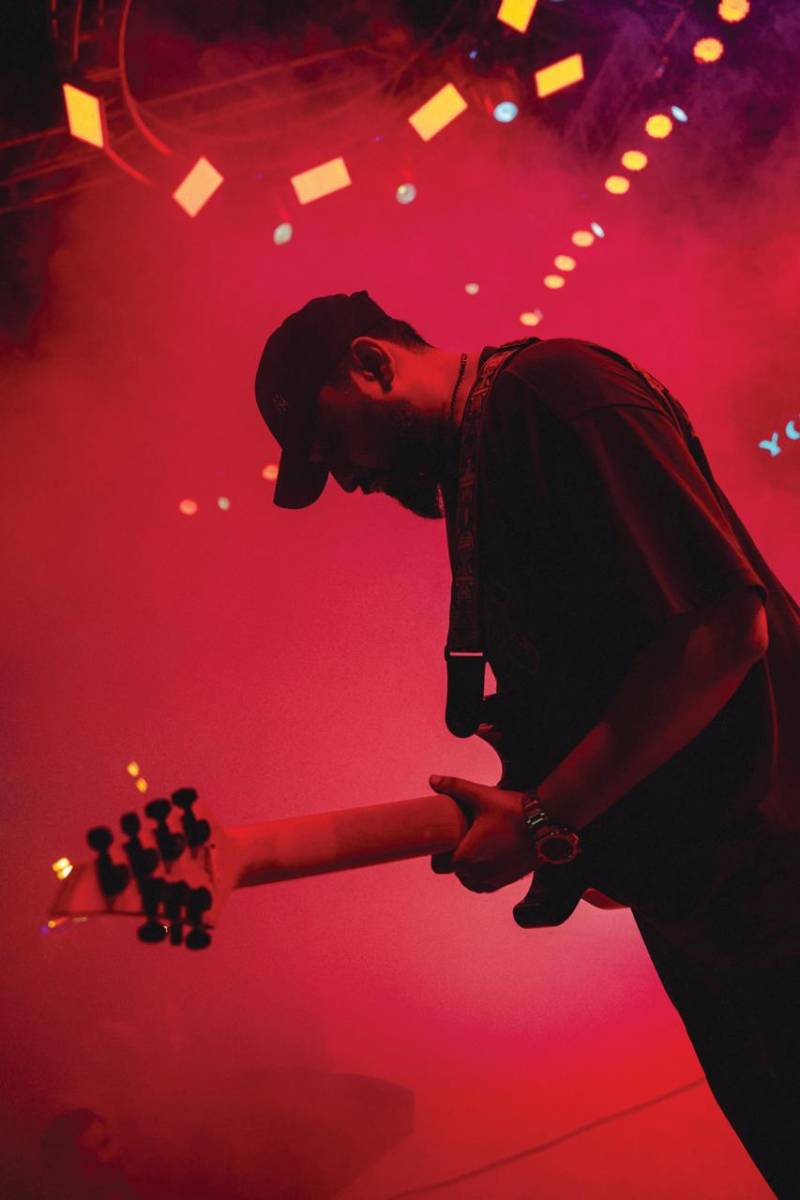
4. Walk us through your process when producing a track. Do you start with the beat, the lyrics, or the concept first?
I usually start with a feeling or a sound, a melody, texture, or rhythm that sets the mood. Once the beat creates a world, the concept and lyrics fall into place naturally, either from me or the artist. It is never fixed, but the emotion always comes first.
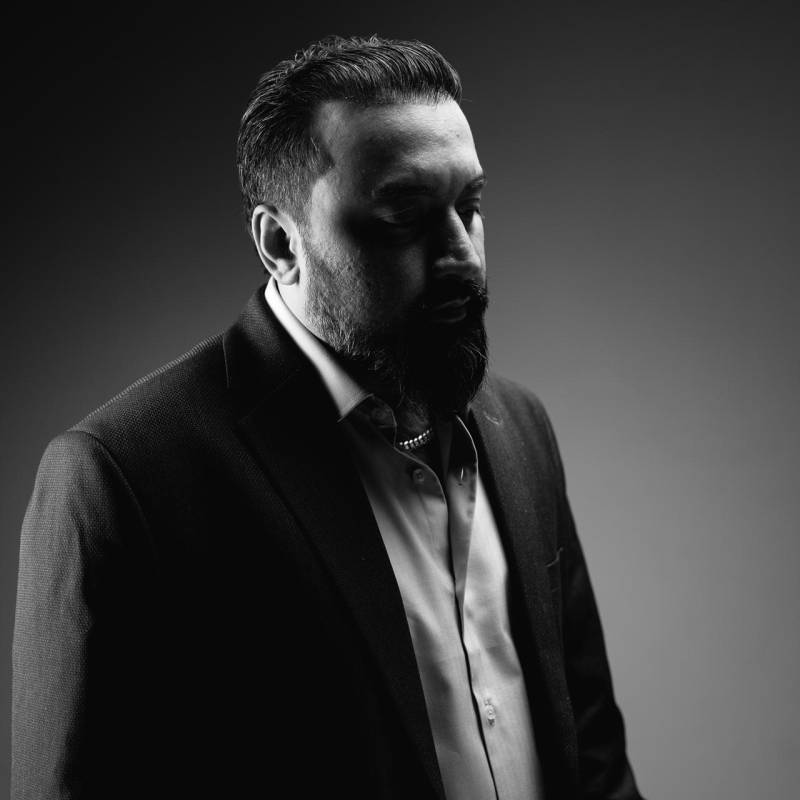
5. Collaboration seems central to your work. How do you decide which artists to collaborate with, and how does that influence the final product?
I collaborate based on chemistry and honesty, not hype. If the artist’s vision feels real and we trust each other creatively, the music shapes itself naturally. That connection always makes the final product stronger and more authentic.
6. Your tracks often convey strong emotion. What inspires the themes and stories behind your music?
Real life. My own experiences, the people around me, loss, growth, and the things we do not always say out loud. I do not force themes. I just translate what I am feeling or witnessing into sound.
7. Pakistani hip-hop and trap are growing rapidly. What excites you most about the current scene?
The fearlessness.
Pakistani hip-hop is not asking for permission anymore. We are building our own lane.
8. What has been your most challenging project so far, and what did it teach you about yourself or the music industry?
Probably Khana Badosh. It pushed me creatively, emotionally, and professionally. It taught me patience, trust in my vision, and that the industry will test you, but if the work is honest, it always finds its place.
9. With streaming and digital platforms dominating today, how do you navigate staying relevant and innovative in this fast-paced industry?
I focus on evolving without chasing trends, staying honest to my sound, learning constantly, and letting the music grow naturally with the times.
10. If you weren’t a musician, what do you think you would be doing right now?
If I was not a musician, I would probably be a programmer. Still building things, just with code instead of sound.
11. Can you share a memorable studio or tour experience that left a lasting impact on you?
That one studio session with Talha Anjum and Talhah Yunus where I played them a trashed beat of mine. That song is now called Gumaan.
12. How do you unwind or find inspiration when you are not making music?
Silence, time with family, and long chats with my wife. I can say she is my biggest inspiration in everything I do, not just music.
13. As 2026 begins, what are you most looking forward to this year, both in your music and personally?
There are two projects that are very close to me right now. One is a full-length album that I want to keep a surprise until it is officially announced. The other is a six-track EP with some of the finest artists from Pakistan.
I have experimented with a completely new sound on it, fusing alt metal, shoegaze, and hip-hop. For the first time, fans will also hear me singing the choruses.
Interview: Safa Adnan
Photographer: Mohammad Mohtashim
Coordination: Alina Naghman