FRAMING GENIUS | ZUNAISH SHAIKH’S VISION BEHIND THE LENS
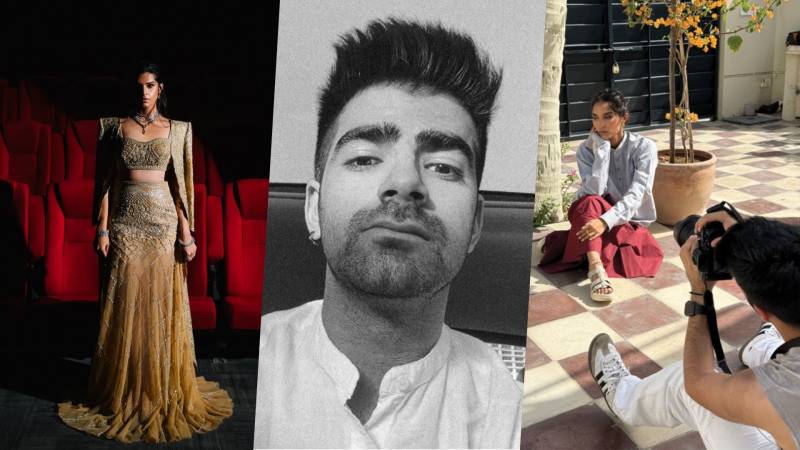
Few photographers in Pakistan have managed to leave an imprint as distinctive as Zunaish Shaikh. From experimenting with his first camera as a child to shooting high-profile celebrities and leading fashion campaigns, his journey has been anything but ordinary. Known for his meticulous attention to lighting, bold yet minimalistic style, and hands-on approach to every project, Zunaish has become one of the most sought-after photographers in the industry. In this candid conversation, he reflects on the milestones that shaped his career, the realities behind the lens, and the creative philosophy that continues to drive his work. He also shares the lessons he’s carrying forward into 2026, revealing the mindset of an artist determined to evolve with every frame he captures.
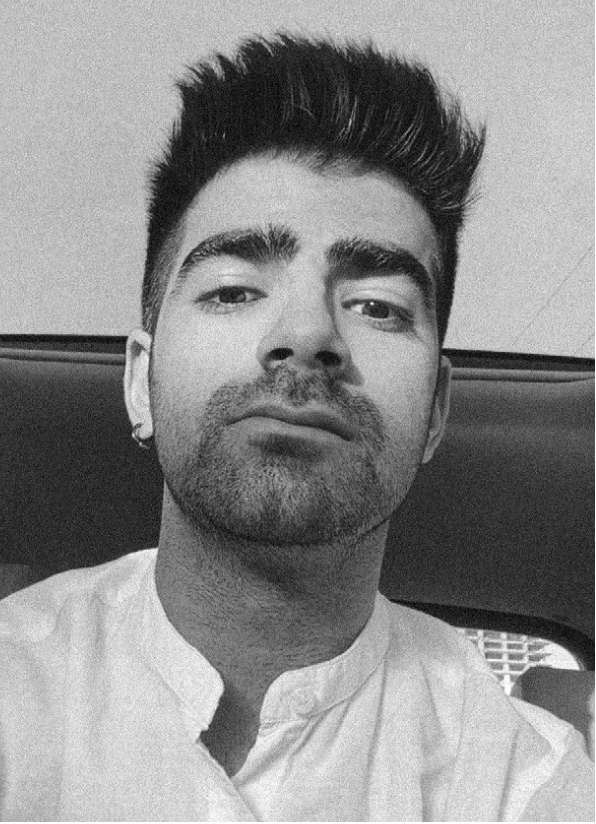
1. You’ve built an impressive body of work with top celebrities, brands, and creators. Take us back to the beginning, what first drew you to photography, and when did you realise this could become a full-fledged career?
Photography began as a hobby for me, but looking back, it always felt like a calling. I still remember being eight years old, taking photos of my family on a vintage Fuji film camera. I was completely amazed by the idea that I could freeze a moment and store a memory forever in a photograph.
I never grew up thinking I would become a photographer. To be honest, it all happened very naturally, in a raw and unplanned way. It truly began in 2015 during a school trip to Islamabad with my classmates. I had recently gotten my first iPhone 6 and wanted to try out the camera while documenting my experience.
At the time, I didn’t know much about photography. I was simply taking photos of whatever caught my interest and sharing them with friends. The feedback I received encouraged me to take photos of others and even consider getting a proper camera. That’s when I realized I should at least see where this could go before investing in equipment, especially since I was only 15 years old.
2. Your journey reflects both consistency and evolution. How would you describe your visual style today, and how has it transformed since your early days behind the lens?
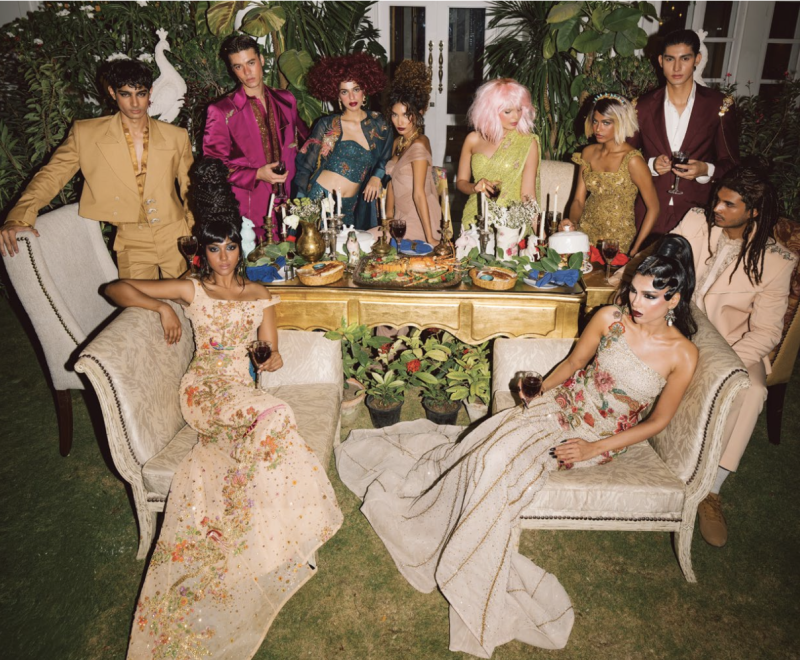
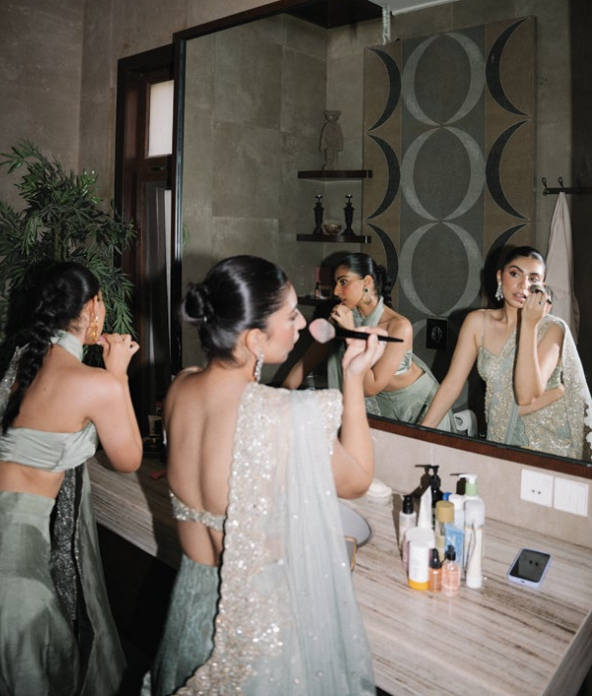
My visual style today leans more Western, with a strong emphasis on flash. Lighting has become central to how I shape my images, allowing me to create work that feels bold, intentional, and visually striking. A key part of that process is control, especially in post-production. I edit every campaign and celebrity shoot myself because for me, the image isn’t complete unless it passes through my hands from start to finish.
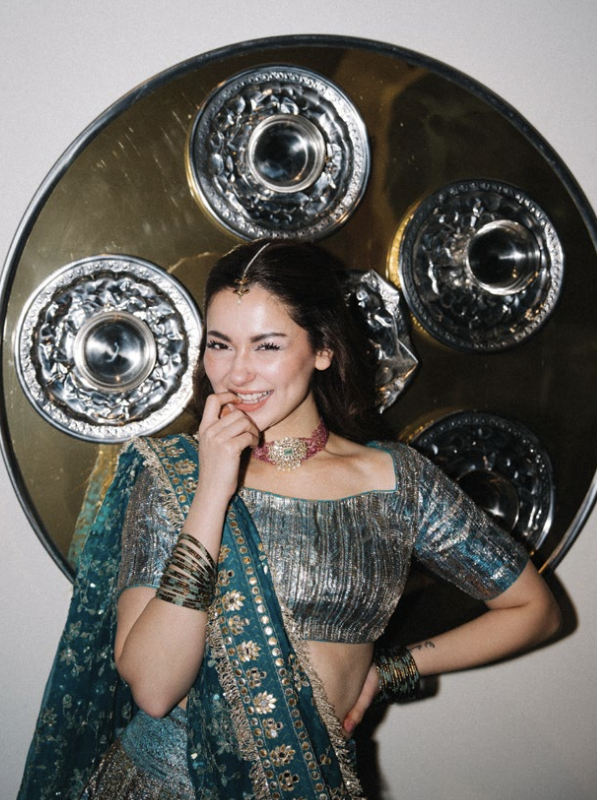
Earlier in my journey, my circumstances naturally shaped my style. I relied entirely on natural light, not by choice at first, but because it was the only light source available to me. I didn’t have the resources to invest in additional equipment, so I spent a lot of time studying how light falls on a subject, how it shapes the muse, and how I could use it to my advantage. That period trained my eye and built a strong foundation.
Once I felt confident in my understanding of natural light, I wanted to push my work further and add another layer of expression.
I bought my first lighting tool, the Godox V1, and that shift became a defining moment. Since then, flash has played a major role in my work, and that approach has gone on to influence the direction of contemporary photography in Pakistan.
While my tools and techniques have evolved, the core intention remains the same: creating images that feel personal, considered, and true to my vision.
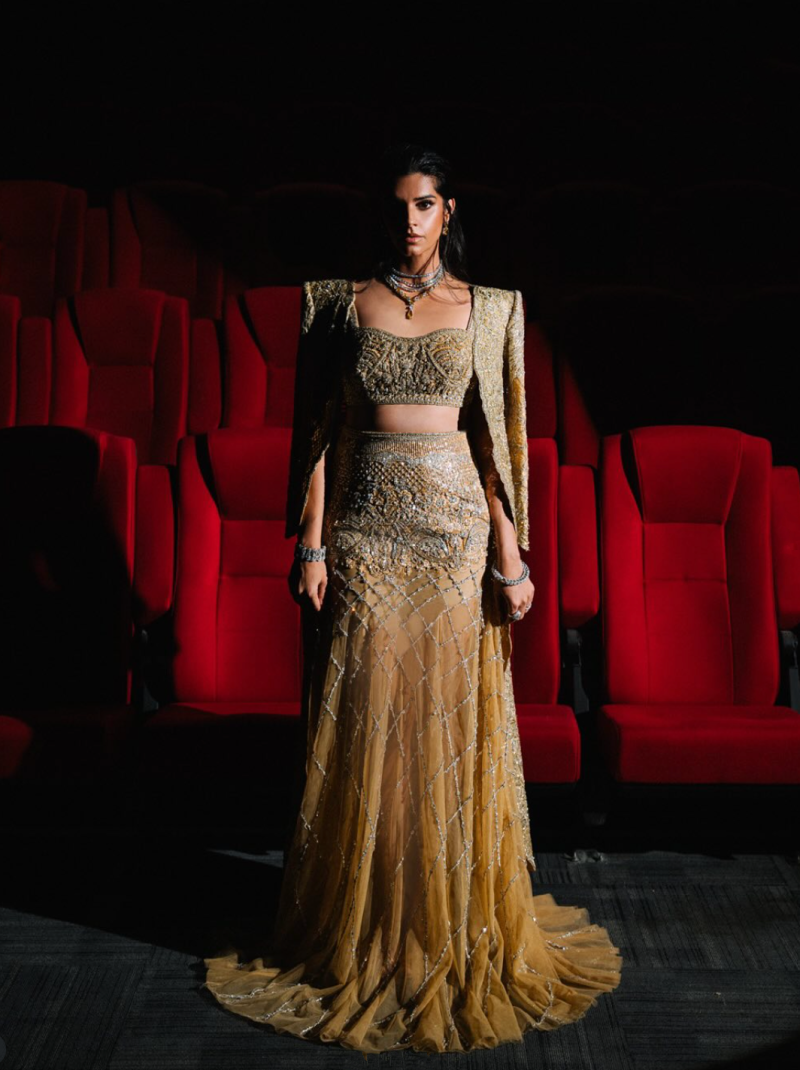
3. How did you first start working with brands, celebrities, and content creators, and what would you say was your “big break” that brought you into the spotlight?
I started completely from scratch. I had no contacts and no clear idea of how to work with brands, celebrities, or content creators. In the early stages of my career, I reached out to friends and friends of friends, asking for opportunities to photograph them so I could build my portfolio.
After doing many test shoots with people I knew, I slowly stepped outside my circle and began reaching out to others for collaborations. At that time, it was usually just one model and one photographer. Over time, and after doing many of these shoots, I started thinking bigger, producing more structured projects and working with full teams that included models, makeup artists, and stylists.
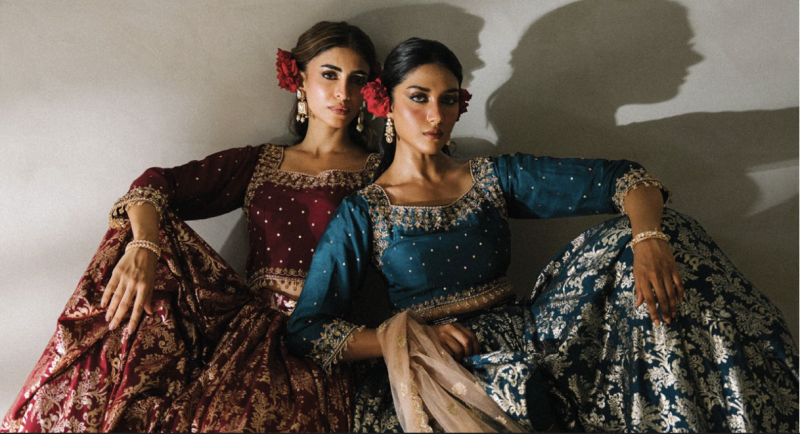
My “big break” was when I shot Sona Rafiq for her HUM Style Awards 2024. It all happened so randomly, but that shoot gained significant attention and opened doors, allowing me to collaborate with people and brands I had only admired from afar.
4. You’ve photographed actors, content creators, and fashion campaigns. How does your creative approach adapt to different types of subjects while staying true to your signature style?
My approach always starts with understanding who I’m photographing, whether it’s an actor, a content creator, or a brand. Every project has its own energy, so I like to take time to observe, connect, and really understand the story we’re trying to tell. I usually create mood boards and lighting references beforehand so everyone has a clear idea of the direction and what to expect from the shoot.
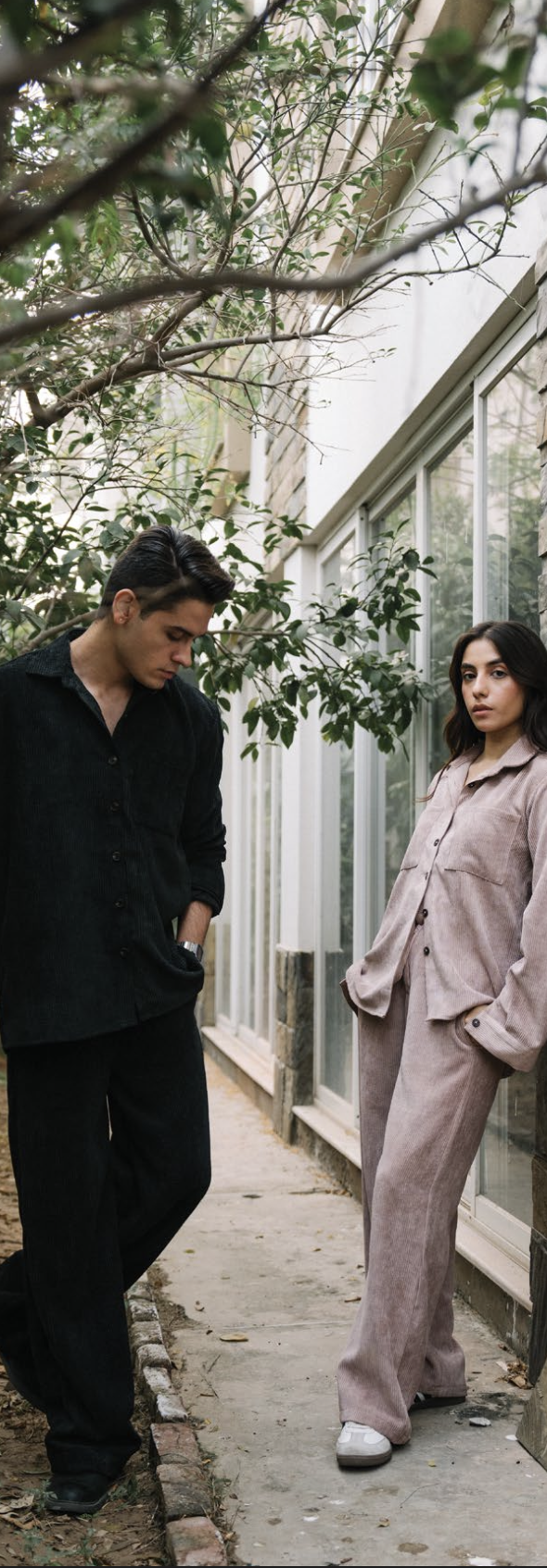
At the same time, I stay true to my signature style: clean, minimal, modern, and very lighting-driven. Even when I’m adapting to different personalities or campaign needs, I make sure the work still feels like me. That balance is important to me because it allows the images to reflect the subject while still being cohesive and personal.
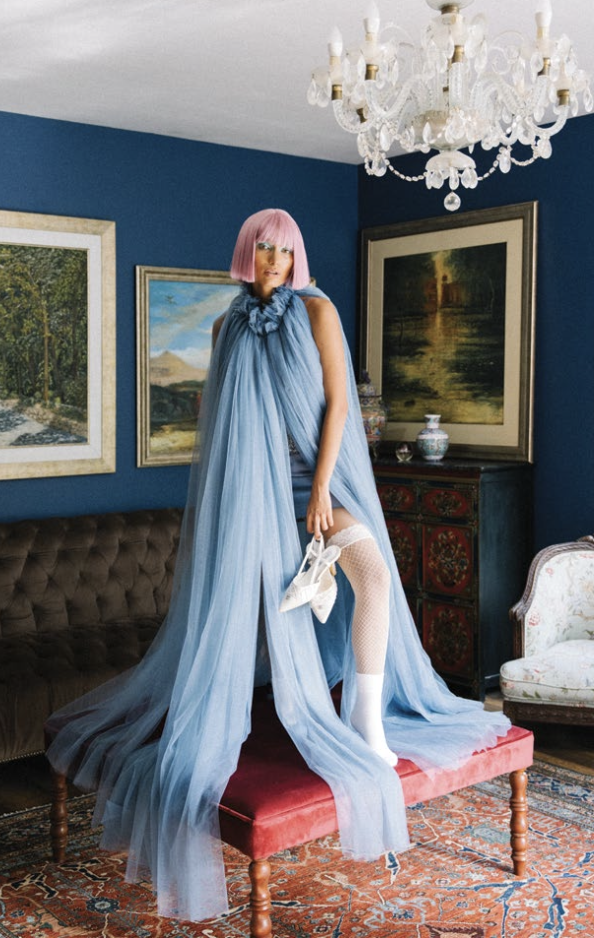
5. In an era where everyone has access to a camera, what do you believe truly sets a professional photographer apart today?
I think what sets a professional photographer apart today isn’t the camera or the equipment, it’s the vision behind the image. Anyone can take a picture, but a professional knows how to see beyond the frame, understand light, composition, and emotion, and tell a story through their work.
For me, consistency and personal involvement are just as important. I edit every image myself and take time to carefully shape each shoot. Experience, adaptability, and the ability to make people feel comfortable on set also play a big role. The camera is simply a tool; it’s the photographer’s eye, intention, and dedication that truly define the craft.
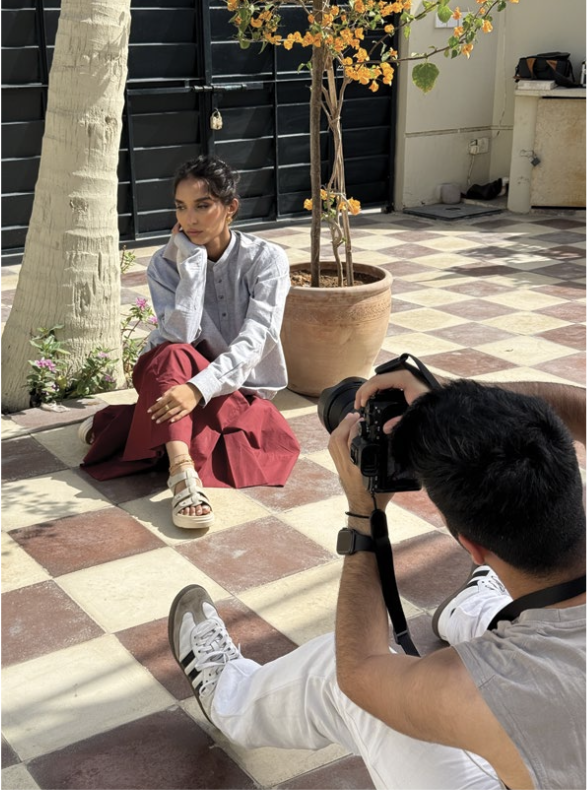
6. Being nominated for the LUX Style Awards this year is a significant milestone. What did that recognition mean to you personally and professionally?
Being nominated for the LUX Style Awards honestly meant a lot to me. On a personal level, it felt like a quiet reminder that all the experimenting, learning, and moments of self-doubt were part of the process and actually led somewhere. It also reinforced something I truly believe in: nothing feels impossible when you stay consistent, trust the process, and keep working toward what you manifest. There were many times I questioned myself, but I kept going, trusting my journey and Allah’s plan.
Professionally, it reassured me that my work and visual style are connecting with people in the industry. It’s encouraging and motivating, and it pushes me to keep growing rather than getting comfortable. More than anything, it reminded me why I started and why I still love doing this.
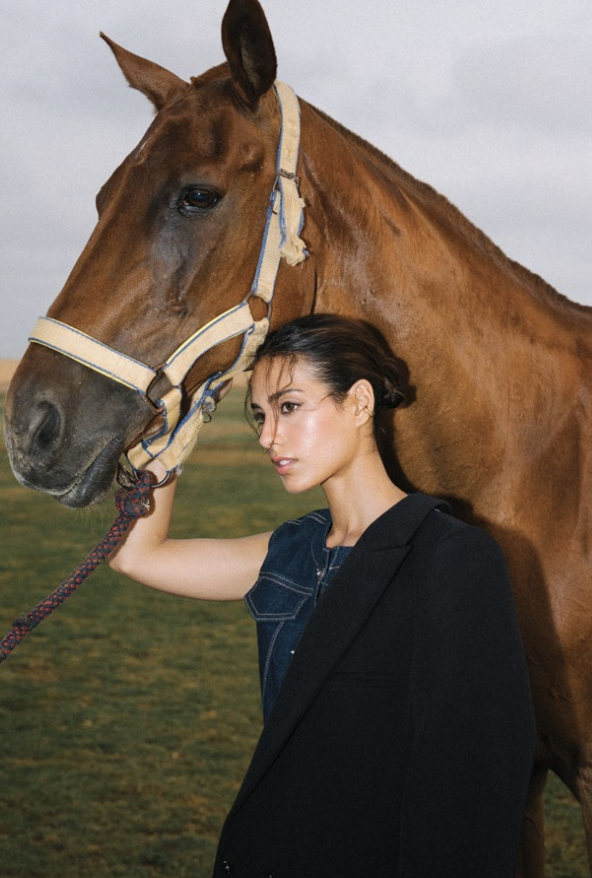
7. The fashion and entertainment industries are constantly evolving. How do you stay creatively inspired and avoid repetition in such a fast-paced visual landscape?
I stay creatively inspired by staying curious and intentionally stepping outside of my usual visual comfort zone. I don’t rely only on fashion references. I pull inspiration from film, music, street culture, architecture, and everyday moments. When everything starts to look the same, I slow down and return to storytelling, asking what the image needs to say rather than how it should look.
To avoid repetition, I regularly challenge my process by changing lighting approaches, shooting environments, or collaborating with new creatives who bring different perspectives. I also review my own work critically so I don’t repeat what I’ve already mastered. For me, growth comes from experimentation and staying emotionally connected to the work, not just following trends.
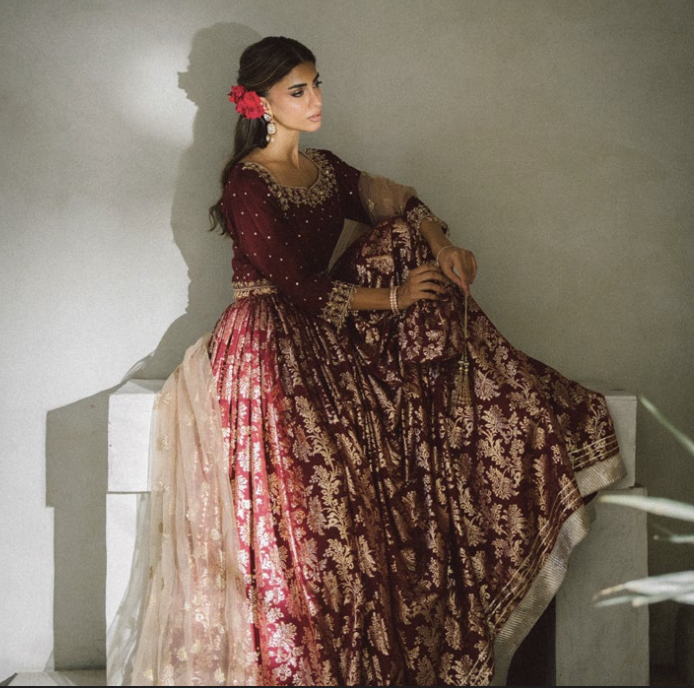
8. The rise of social media and fast content has dramatically changed the photography landscape. What do you see as the biggest advantage and the biggest drawback of working in today’s image-driven era?
The biggest advantage is how fast and connected everything is now. Social media helped some of my work get featured in VOGUE, and it’s led to fans and publishers reaching out directly for my images. It’s also amazing for connecting with other artists, seeing their take on trends, and building relationships that inspire new projects.
The downside is that everything moves so fast that it’s easy to get pulled into chasing trends instead of really developing your own voice. It’s a constant balance between staying relevant and staying true to your vision.
9. With trends changing at lightning speed, how do you balance staying relevant with staying authentic as a creative professional?
I’ve learned that I don’t need to follow every trend to stay relevant. I pay attention to what’s happening, but I only adopt what genuinely connects with me and my way of seeing. Staying authentic means trusting my instincts and allowing my work to evolve at its own pace. When the work feels honest, it naturally stays relevant without feeling forced.
10. The industry often glamorizes the final image, but not the process behind it. What are some realities of this profession that people don’t talk about enough, both the highs and the challenges?
People usually only see the final image, but they don’t see all the long hours, problem-solving, and moments of doubt that happen before the camera even comes out. As a photographer, you really learn the most behind the scenes because you’re exposed to the reality of the set and everything it takes to get that shot.
When I see some of my work published on Instagram or other platforms, it’s a cool feeling because I know exactly what went into making that image happen. The high for me is watching an idea slowly come together. Those moments on set when everything clicks make it all worth it.
The hard part is the pressure to keep performing, stay inspired, and push through uncertainty. It’s not always glamorous, but honestly, that behind-the-scenes grind is where I grow the most as a photographer.
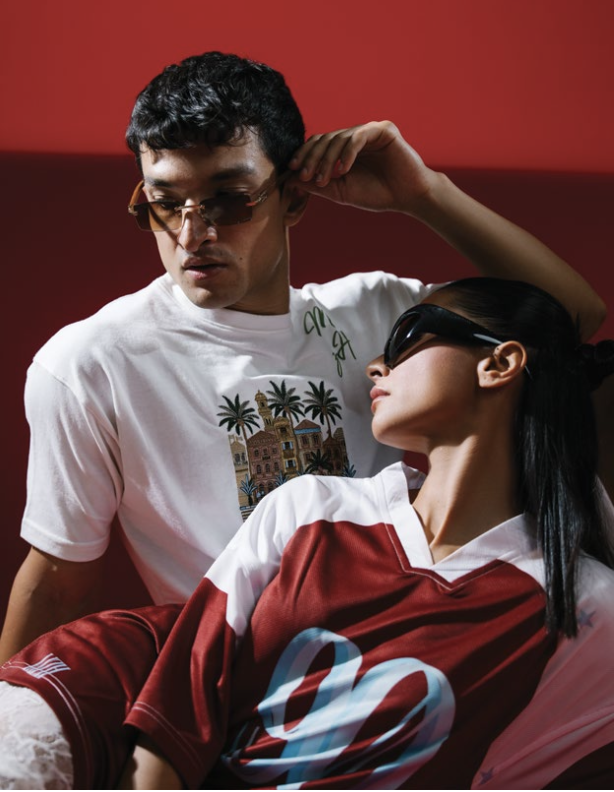
11. When you think about the work you want to be known for, what matters most to you now?
Right now, I just want to create work that truly connects with people, images that make someone pause mid-scroll and actually feel something. I’m drawn to visuals with a clear point of view, ones that tell a story or capture a mood in an honest, fresh way.
It’s not about following trends for me; it’s about experimenting, challenging myself, and trusting my instincts. If along the way my work inspires someone to see things a little differently, that’s what makes it all worth it.
12. As you look ahead to 2026, what lessons are you carrying forward from your journey so far, and what habits, mindsets, or pressures are you consciously choosing to leave behind?
Looking back, I’ve learned so much from working on bigger sets, especially the importance of being different and thinking outside the box. Those experiences taught me not just about lighting, but also about communicating with talent and problem-solving when things don’t go as planned. Having worked on multiple campaigns and with various brands has given me both confidence and motivation to create work that feels unique and exciting.
At the same time, I’m learning to leave behind overthinking, doubting my creative choices, and comparing myself to others. Letting go of those pressures allows me to feel more confident and relaxed, gives me the freedom to experiment with new ideas, and keeps me pushing myself creatively.
I feel incredibly honored to be in this position today and deeply grateful for all the clients, friends, and family who have supported me over the years, especially in 2025. None of this would be possible without their belief and encouragement. For me, it’s all about growth, evolving, taking risks, and becoming a better artist with every step forward.
Interview: Safa Adnan
Photos: Zunaish Sheikh