
How Pakistan Is Turning AI Talent into Startups, Not Just CVs
For decades, Pakistan's brightest minds followed a predictable trajectory, earning a computer science degree, polish a resume, and compete for positions at multinational corporations or seek opportunities abroad. This brain drain narrative, while partially true, is now colliding with a countermovement that's fundamentally reshaping how Pakistani AI talent views career possibilities. Instead of simply building impressive CVs to land corporate jobs, a new generation is leveraging artificial intelligence expertise to launch startups that address problems they've lived with firsthand and the transformation is creating ripples far beyond Pakistan's borders.
The catalyst for this shift isn't a single policy or program, but rather an ecosystem evolution happening across multiple dimensions simultaneously. Lahore's Plan9 incubator, Karachi's Nest I/O, and Islamabad's National Incubation Centers have moved beyond teaching basic business skills to offering specialized AI accelerator tracks. These programs don't just provide mentorship, they connect machine learning engineers with domain experts in agriculture, healthcare, and logistics who understand where AI can create genuine value. The result is a pipeline of ventures built on technical rigor rather than trendy pitch decks. A young data scientist who once would have competed for a position at a big tech firm is now building computer vision solutions for quality control in Pakistan's massive textile industry, creating intellectual property and capturing value locally.
This entrepreneurial awakening is particularly evident in how Pakistan's diaspora is engaging with homegrown talent. Rather than simply recruiting engineers to relocate abroad, diaspora tech professionals are increasingly playing mentor, advisor, and angel investor roles for Pakistan-based startups. A product manager at Amazon provides go-to-market strategy guidance via video calls. A machine learning researcher at Stanford collaborates on research papers with teams in Peshawar. An engineering director who left Pakistan fifteen years ago now runs a venture fund specifically targeting AI companies solving South Asian problems. These connections transform abstract technical skills into commercial ventures by providing the business acumen, market access, and credibility that emerging entrepreneurs desperately need.
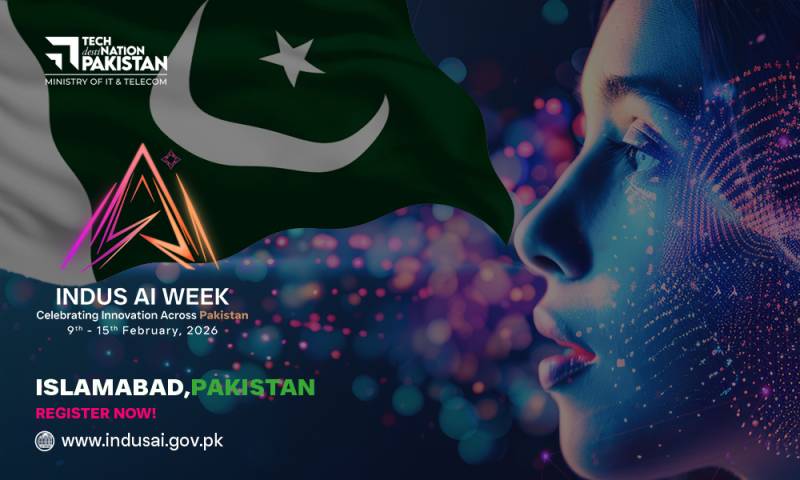
Indus AI Week embodies this philosophy of converting talent into tangible innovation. Unlike traditional tech conferences focused primarily on knowledge sharing, Indus AI Week is designed as a launchpad bringing together engineers who've been working in isolation with investors seeking differentiated opportunities, connecting academic researchers with industry partners who can commercialize their work, and showcasing startups to international audiences that can provide distribution channels. The event recognizes that Pakistan doesn't suffer from a shortage of AI talent, it suffers from insufficient mechanisms to channel that talent toward entrepreneurship rather than employment.
The economic implications are substantial. Every AI engineer who launches a startup rather than taking a corporate job potentially creates employment for ten others. Every successful exit demonstrates proof of concept that attracts more capital to the ecosystem. Every practical AI application deployed locally builds institutional knowledge that can't be outsourced. Pakistan is slowly but deliberately building connective tissue accelerators, venture funds, technical communities, customer bases, that transforms individual talent into sustainable innovation economies.
Be part of the transformation. Indus AI Week connects Pakistan's AI pioneers with global opportunities and resources. Whether you're building, investing, or supporting innovation, join us in turning potential into impact.