
NAEEMA BUTT ON TURNING PAIN INTO POWER AND POWER INTO PURPOSE | In collaboration with Shiza Salon
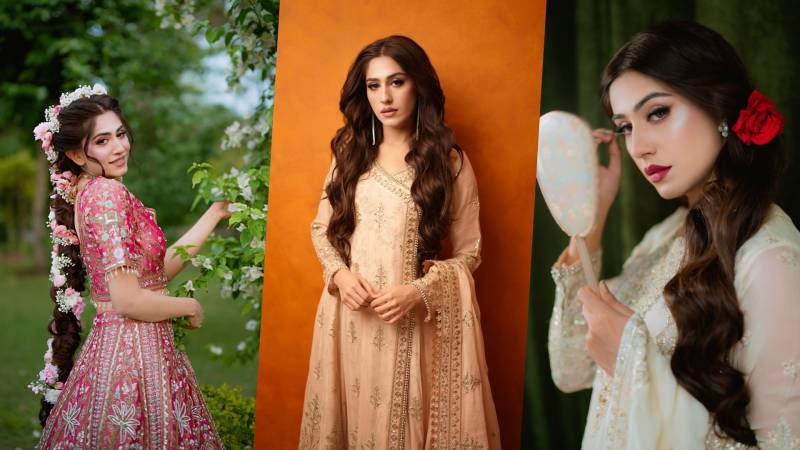
There are interviews that unfold like conversation, and then there are those that arrive almost like confession, layered, luminous, and impossible to reduce to easy answers. Naeema Butt belongs firmly to the latter.
For HELLO! Pakistan’s May digital cover, her first with us, Naeema does not enter the frame simply as an actor enjoying a powerful moment in popular culture. She arrives as someone who has lived inside many rooms before the spotlight found her: the theatre room, the activist’s circle, the workshop space, the silence after grief, the discipline of faith, and the difficult inner territory where pain is not hidden but transformed.
Purpose is not a luxury for me. It’s the reason I breathe. If my work doesn’t move someone from darkness to dignity, then what am I even doing here?
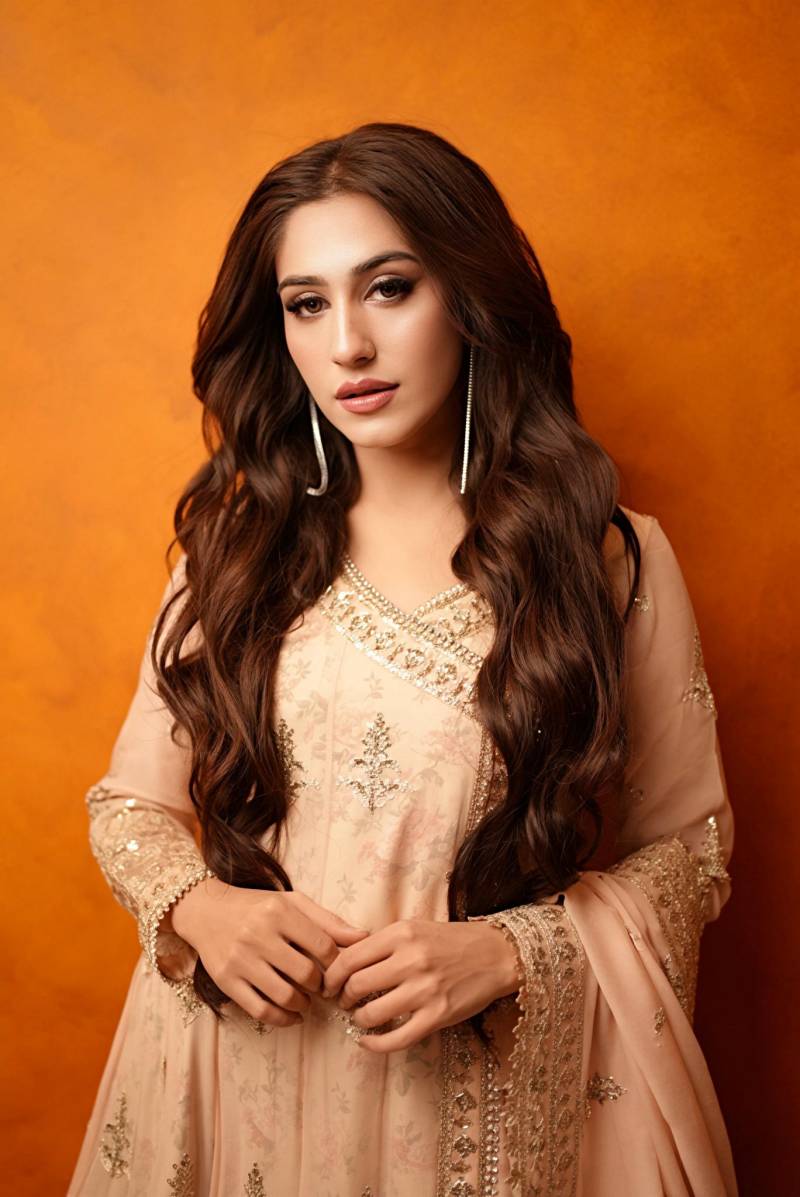
Known to audiences through performances in television and film and for the force she brought to Kabhi Main Kabhi Tum, Naeema’s creative identity extends far beyond the screen. As a filmmaker, poet, social activist, and founder of Pehlaaj StoryCenter for Change, she has long believed in art as something heavier than performance and deeper than applause. For her, a role is not simply inhabited; it is questioned. A script is not merely delivered; it is weighed. A platform is not decoration; it is accountability.
Speaking to her feels less like tracing a career and more like entering the architecture of a conscience. There is surrender in her words, but never passivity. There is softness, but never dilution. She speaks of Allah, grief, women, ego, poetry, cinema, silence, and survival with the clarity of someone who has had to rebuild herself more than once and chose, each time, to make the wound useful.
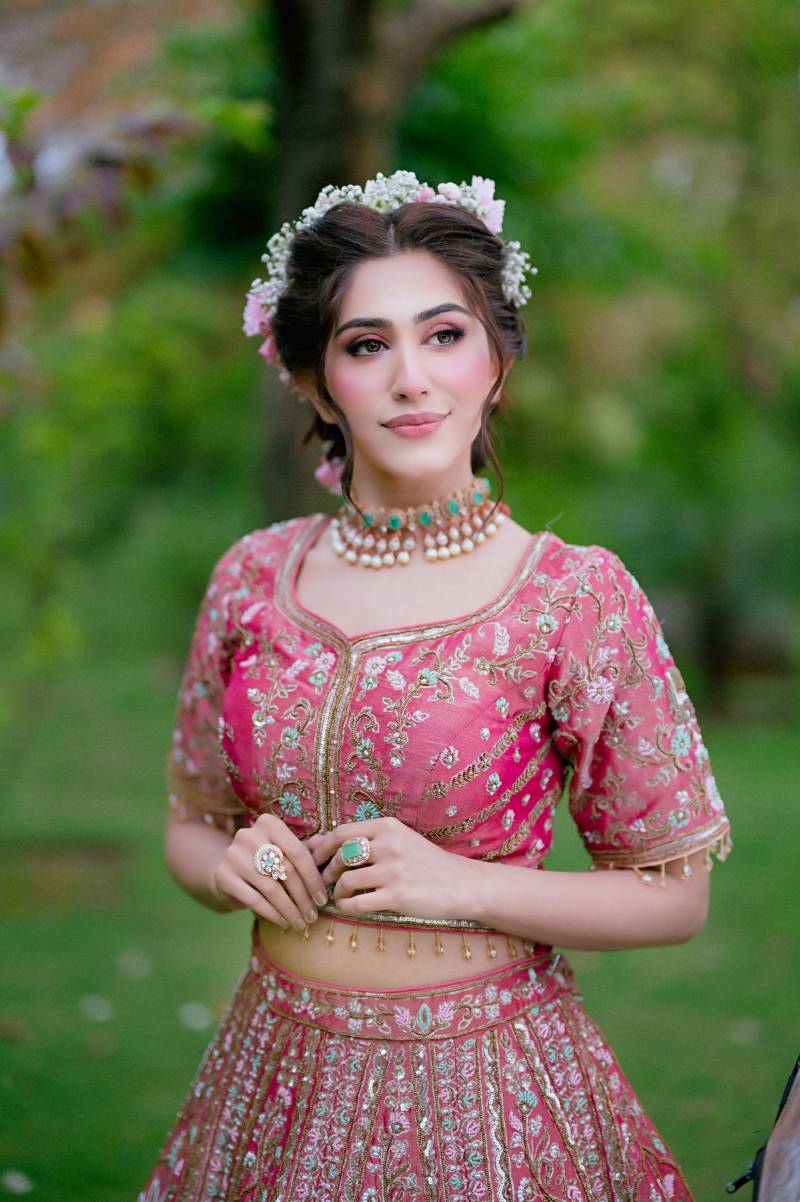
In this cover story, Naeema Butt opens up about the sacred weight of creativity, the politics of choosing truth in an industry often obsessed with visibility, and the kind of legacy she hopes to leave behind: not noise, not fame, not monuments but awakening.
Art without purpose is decoration. And I was not given this amanat to decorate lies — I was given it to excavate truth
It’s your first time on the HELLO! Pakistan digital cover. What does this moment feel like for you, and how would you describe the phase of life and creativity you’re currently in?
Phase of life? Hmm, good question!
I feel deeply grateful to Allah for being my anchor, my support, my unseen strength through every chapter.
This phase of life feels like a step up towards surrendering to Allah’s will. At least I am trying to be in the moment and give my best to any work that comes my way, especially if it has the potential to bring impact.
Creatively, I feel the tide is turning. With the gift that’s been bestowed upon creative souls like me, I feel it’s a responsibility to be present, to witness the growth and the imprint we leave on people. I feel like I’m bursting with unique ideas right now, including stepping into music too.
My loyalty is not to the screenplay. My loyalty is to the truth buried inside it
You’ve described yourself as a socially conscious actor and filmmaker. At what point did storytelling stop being just a craft for you and become a form of responsibility?
18 years ago, I didn’t step into acting for applause. I stepped in to rewrite stories, to carry people from the silence of oppression into the language of empowerment.
Theatre of the Oppressed found me when I was broken. I was living through harassment and abuse with no guide, no healing, no map out. But on that stage, I discovered something sacred: pain could be transformed into power, wounds could become light. Psychodrama didn’t just release my emotions, it returned me to myself.
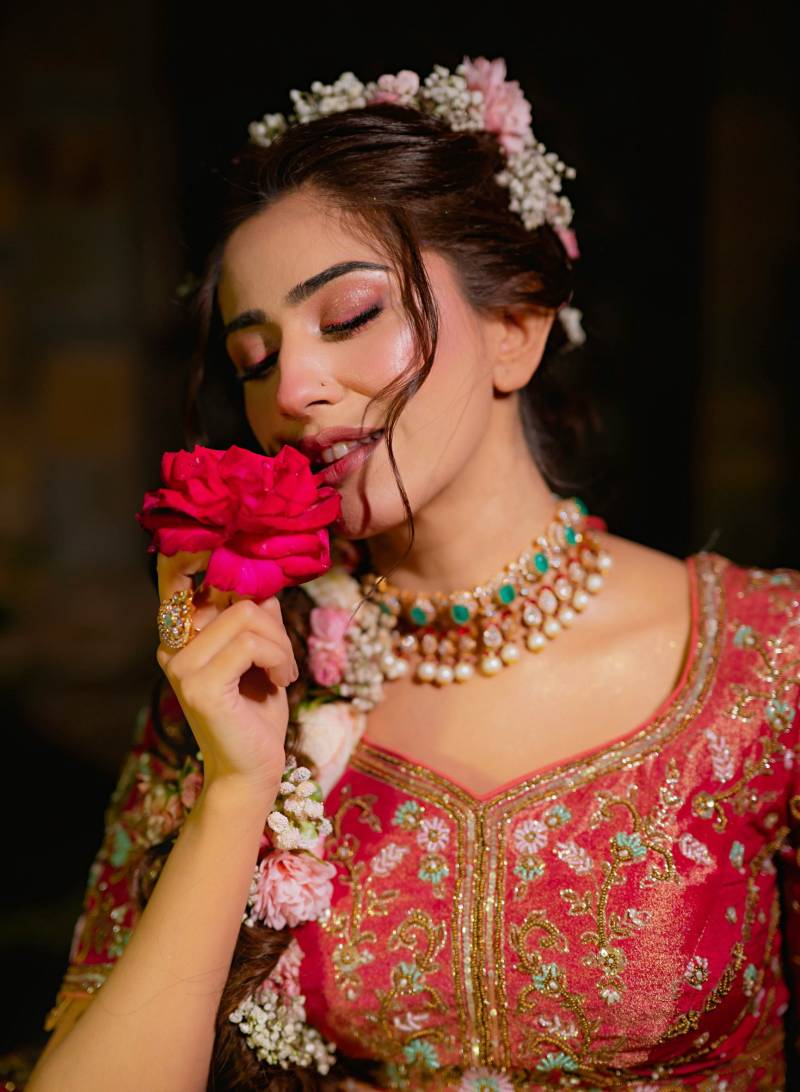
Before the cameras, I was already on the frontlines. As an activist for human rights and interfaith harmony, I carried Pakistan’s voice to international platforms. I built Pehlaaj StoryCenter for Change because I believed stories are not entertainment, they are medicine.
The moment that sealed my path was witnessing a young soul shift in one of my workshops. I saw their eyes change when they realized they weren’t powerless. That’s when I knew: theatre, TV, film, these are not just tools. They are amanat. A trust from Allah to awaken, to heal, to ignite change.
Purpose is not a luxury for me. It’s the reason I breathe. If my work doesn’t move someone from darkness to dignity, then what am I even doing here?
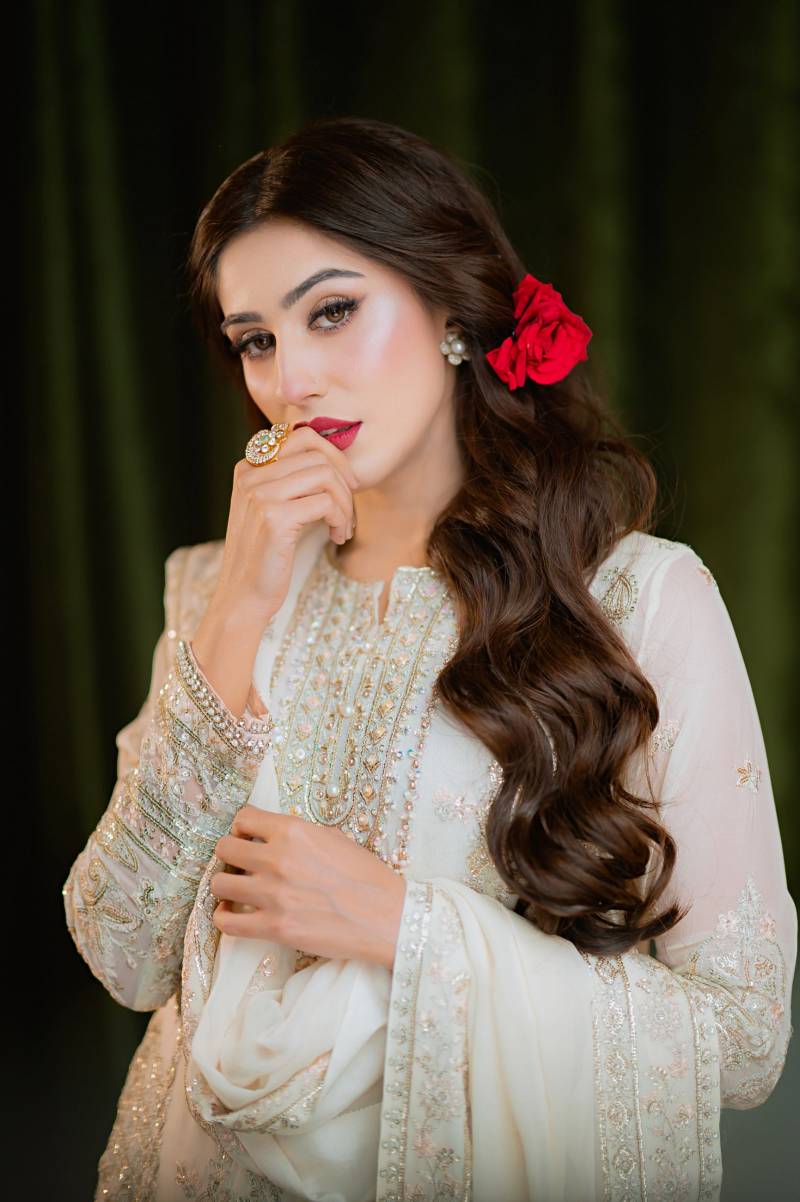
Your work often carries an undercurrent of activism. Do you consciously choose projects with a message, or do you find meaning within the roles after stepping into them?
Activism isn’t a costume I put on for certain roles, it’s the niyyah I carry into every room.
Yes, I consciously choose projects with a message. I cannot lend my voice to emptiness. If a script has no soul, no truth, no mirror for society, I walk away. I’d rather be silent than become an echo of batil. That choice is deliberate. That is sabr in a world that rewards speed.
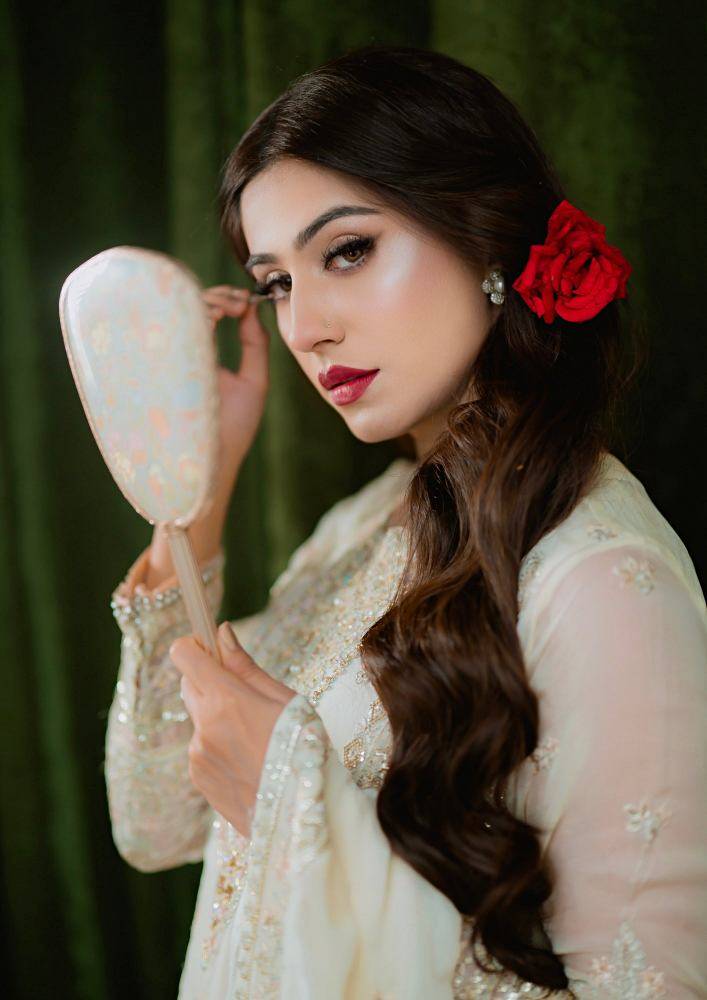
But truth is, even in someone else’s vision, meaning finds me. Because I don’t just “act” a character. I interrogate her. I ask: Where is her pain? Where is her haqq? What is Allah trying to show through this woman? And once I find that thread, I pull. I improvise. I breathe ruh into the spaces they left blank.
So sometimes I choose the message. And sometimes the message chooses me through the role. Either way, my loyalty is not to the screenplay. My loyalty is to the truth buried inside it.

Art without purpose is decoration. And I was not given this amanat to decorate lies. I was given it to excavate truth whether I planted the seed, or Allah planted it for me to water.
My activism doesn’t start when the camera rolls. It starts when I decide what kind of witness I will be.
Pain is not my punishment. It is my philosopher’s stone — it transmutes suffering into meaning, silence into verse, and darkness into a strange, luminous peace
You’ve spoken about poetry as a tool for change. What does poetry allow you to express?
Poetry, for me, is “amad.”
It isn’t crafted, it arrives. Like a whisper from the unseen, my mind hears it first, and my hands are merely the scribes. That’s how I know it comes from a place deeper than thought, from the rooh, from memory, from the Divine.
Film can show you a face. Performance can show you a moment. But poetry shows you the ache beneath the skin. It’s the most honest language I know, brief, bare, and unafraid. A single line can hold a lifetime.
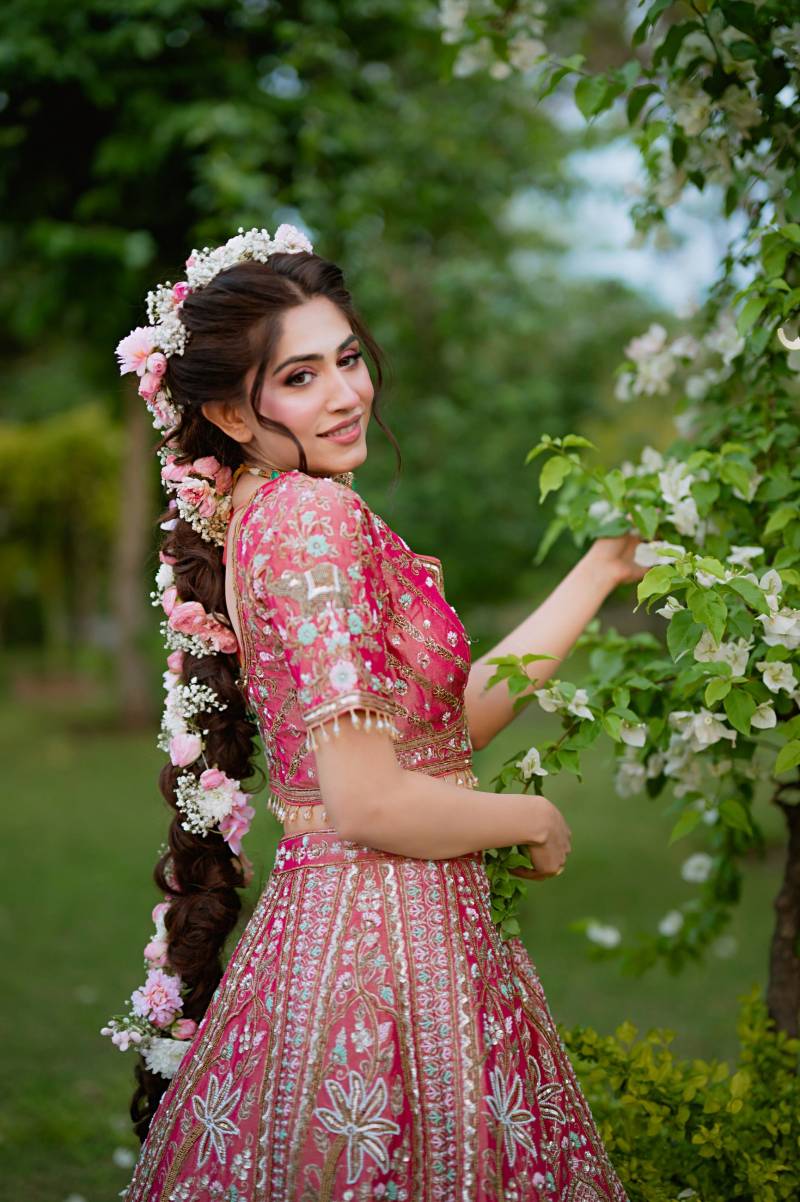
I am not here to be seen by everyone. I am here to be accounted for by One
I see poetry everywhere because Allah wrote it into existence first. In the curve of a leaf, in the silence between thunder, in the way grief softens into mercy, creation itself is a verse.
And I’ve come to understand this: a wound is not an ending, it’s an aperture. Rumi knew it when he said, “The wound is the place where light enters you.” I no longer just believe that; I’ve become it.
The heart, I’ve learned, is a sealed scripture. It must be split open for the truth inside to be read. Each time mine has broken, language has flooded out, not as noise, but as revelation. Pain, then, is not my punishment. It is my philosopher’s stone. It transmutes suffering into meaning, silence into verse, and darkness into a strange, luminous peace.
So yes, pain is the constant fuel of my craft. But not because I worship it because I’ve seen what it becomes when surrendered to the Divine. Tears are just the ink. The poem is the prayer.
Poetry doesn’t need a set, a director, or permission. It’s the soul speaking directly to Allah, and anyone with a heart to hear it. On screen I embody others. On the page, I meet myself. And in that meeting, I find the part of me that was always free.
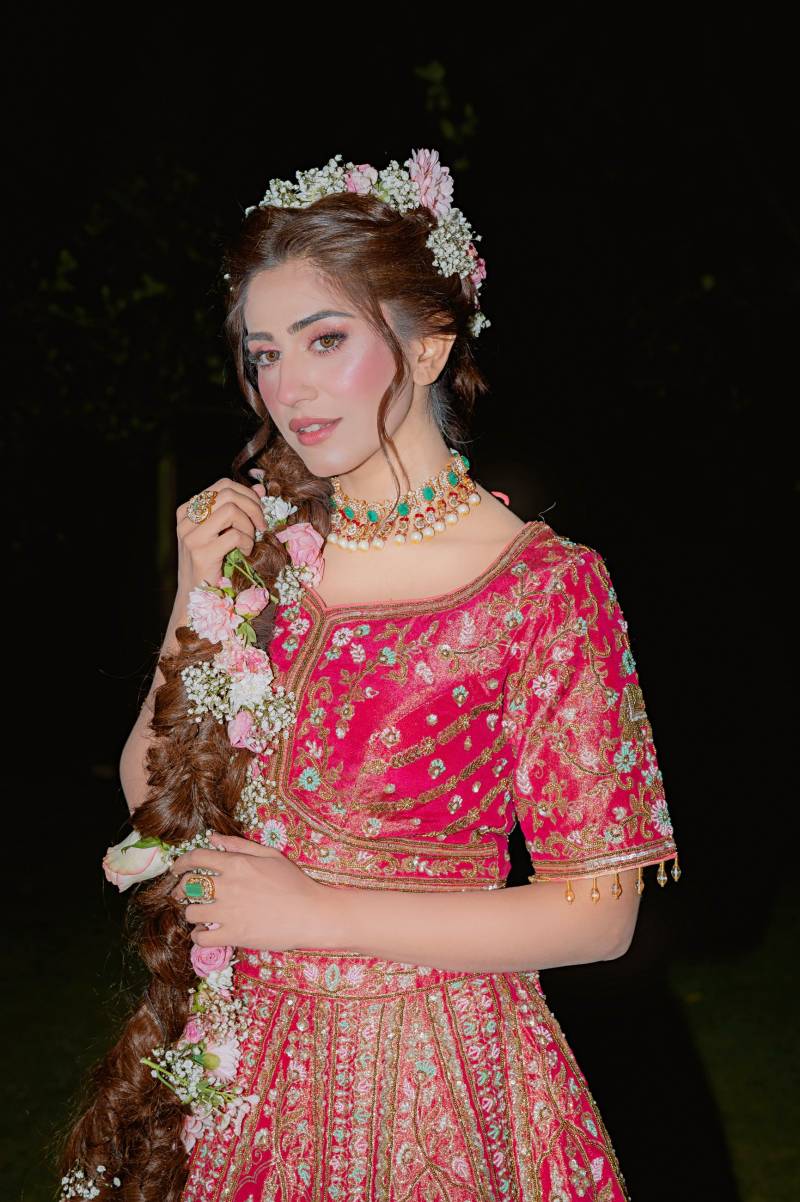
There’s a distinct Sufi undertone in your creative voice. How has that philosophy shaped not just your art, but your understanding of purpose and ego in an industry driven by visibility?
This industry runs on visibility. But I was taught by loss that nothing here is truly visible only the soul is real.
I have faced losing my loved ones unexpectedly, in ways that shatter your understanding of dunya. In those moments, the world cracked open. The veils thinned. And by Allah’s mercy, I saw what the eye cannot: the body returns, but the soul only travels. That grief didn’t destroy me, it initiated me. It taught me that everything we cling to is borrowed. Fame, beauty, even breath, all amanat.
I’ve always moved through this world as an empath, as someone who feels beyond the five senses. So the Sufi path didn’t find me; it named what I already was. And people ask me often: Why stay in an industry built on ego, where people climb by pulling others down?
My answer is simple: Because someone has to enter the fire without letting it consume the heart.
The moth doesn’t fly to the flame to become ash. It flies to be annihilated into light. That is fana. I am here not by ambition, but by appointment. Allah placed this talent in me, and He placed me in this industry, not for my name, but for His names to be remembered through the work. If every soul of light abandons the stage, then who remains to hold a mirror to the darkness? Who will tell stories that remind us we are more than our nafs?
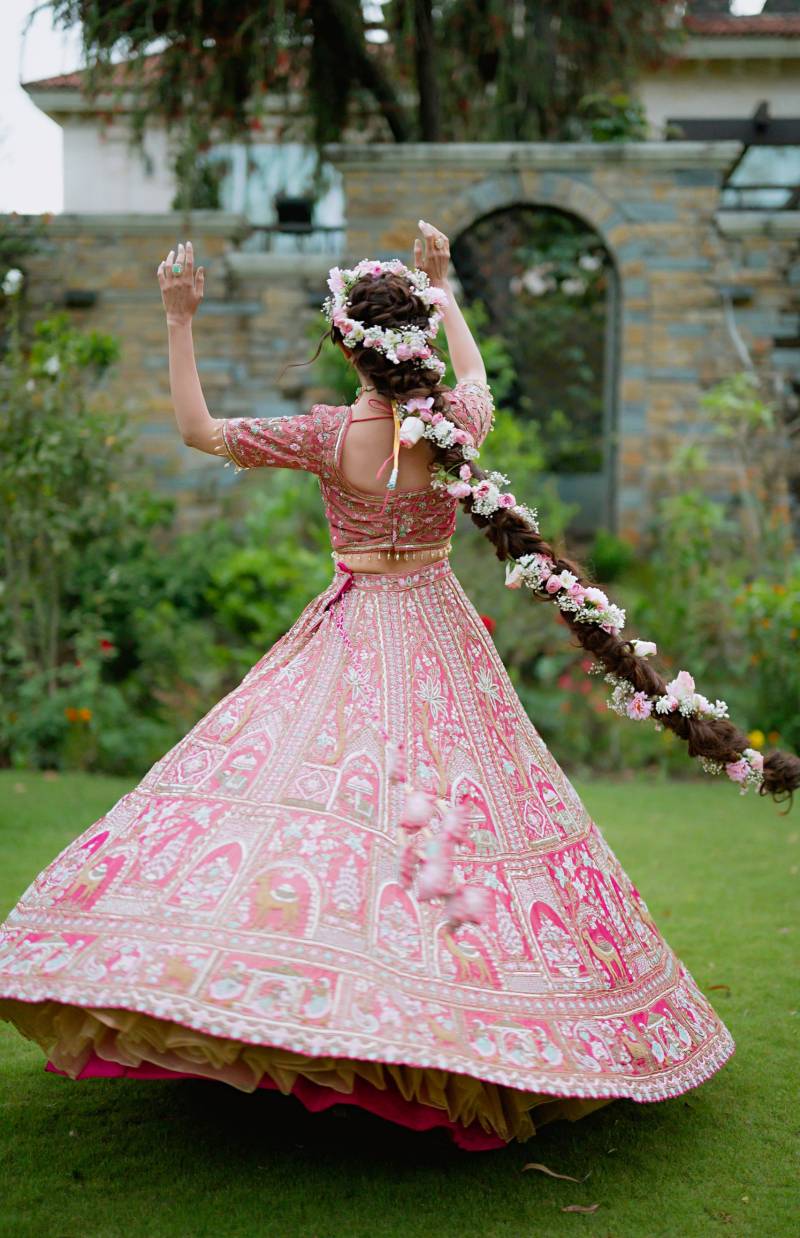
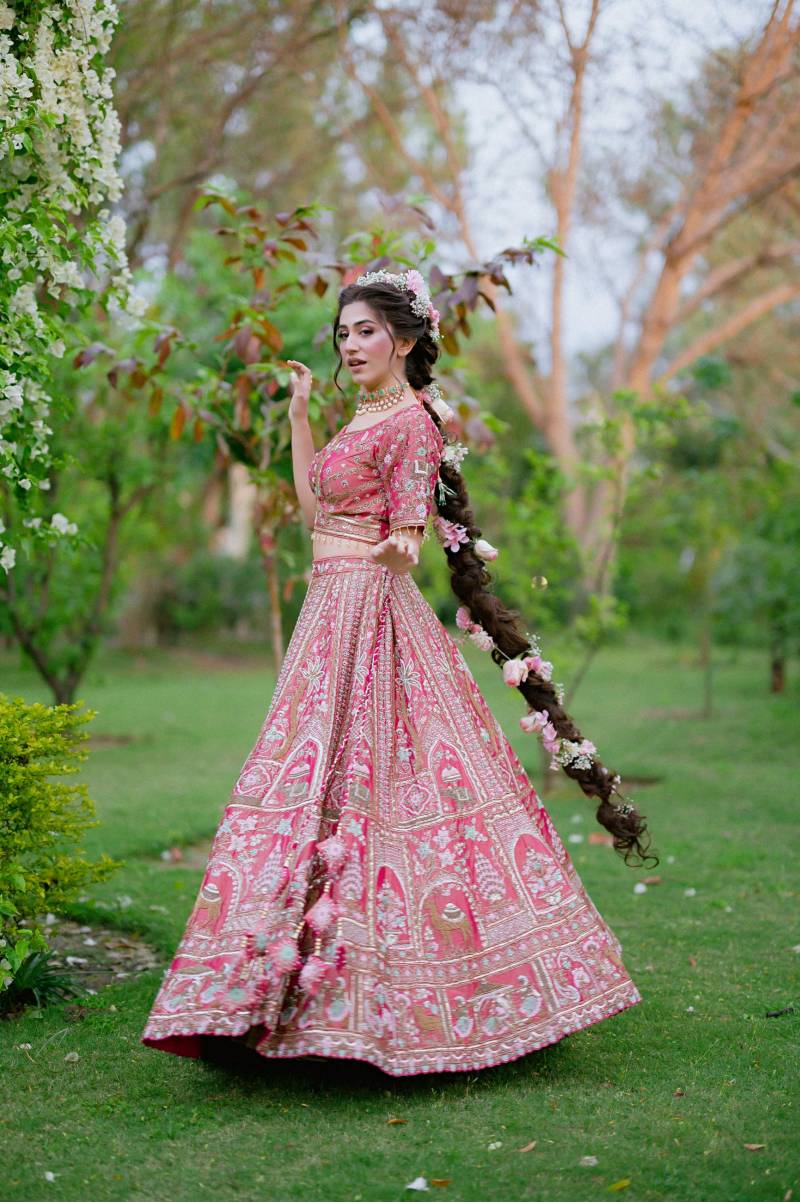
So I tame the ego daily. Not by force, but by zikr. By remembering that I am nothing, so that He can be everything through me. Prayer is my armor. Surrender is my strategy.
My purpose isn’t to be seen. It’s to see — and to help others see that this world is a bridge, not a home. That the real audience is One. And that the greatest visibility is to be known in the heavens, even if you’re forgotten on earth.
I’m not here to win the game. I’m here to remind us that the game is temporary.
My purpose isn’t to be seen. It’s to see — and to help others see — that this world is a bridge, not a home
In a space like mainstream entertainment, where commercial success often dictates choices, how do you protect your voice and stay aligned with your values?
I have always been selective with my work, because a role is never just a role to me, it’s a covenant. I cannot lend my voice to a story that silences truth. I choose scripts where, at the very least, the woman I embody is either unveiling a reality or handing another woman the courage to raise hers.
Scripts matter more than sums to me. People call me foolish for not being on every screen, for turning down visibility. But I am not here to be seen by everyone. I am here to be accounted for by One.
I speak against injustice because silence in the face of zulm is a form of consent, and I refuse toconsent to this world’s games. I am direct, because life is short and the Hereafter is long. Mycompass isn’t trends or applause — it’s tawakkul. I live by this knowing: مَا أَصَابَكَ لَمْ يَكُنْ لِيُخْطِئَكَ، وَمَا أَخْطَأَكَ لَمْ يَكُنْ لِيُصِيبَكَ Ma asabaka lam yakunliyukhti’aka, wa ma akhta’aka lam yakun liyusibak. What is written for me will never miss me. What was never mine will never reach me.
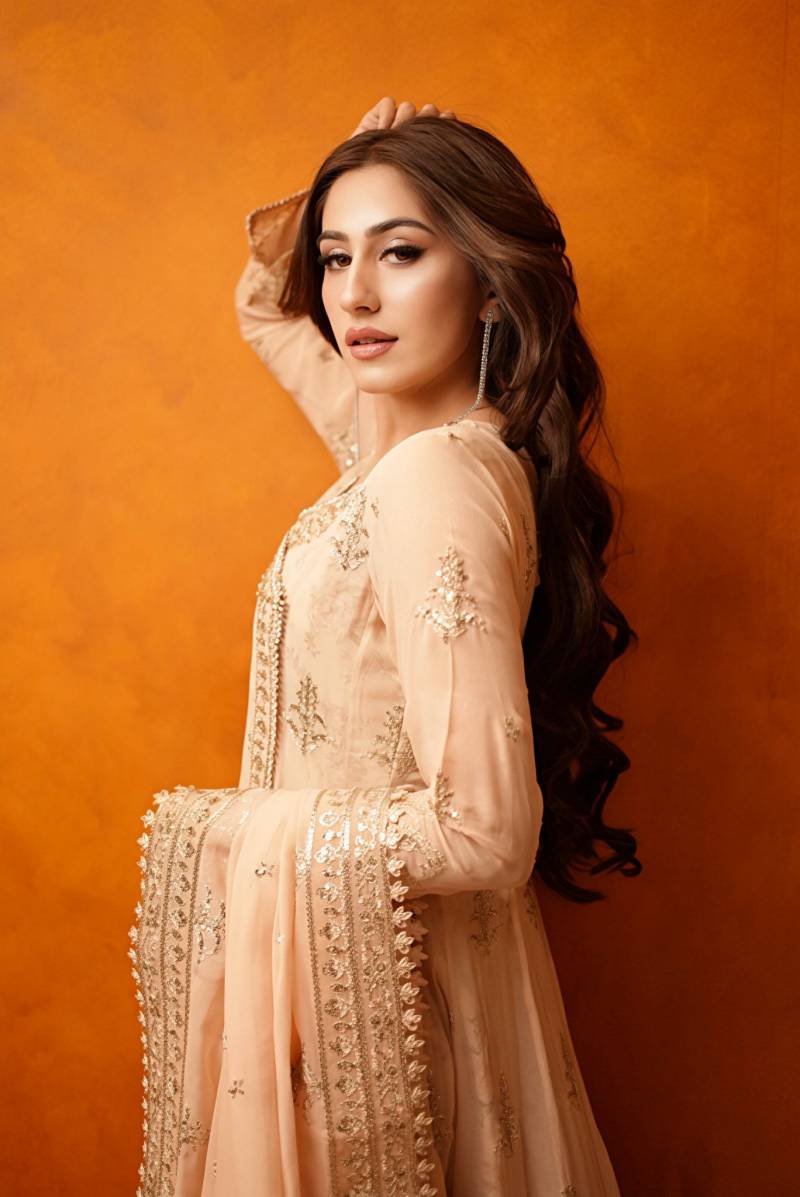
If we all understood this, the claws would retract. The industry wouldn’t be a battlefield where seniors try to devour the peace of those just arriving. The war is not for roles, the war is for rizq and rizq was decreed before we were born.
So I wait for work that aligns with my values, and I trust Allah with the rest. My goal isn’t to conquer this dunya. My goal is to stand before Allah with a heart that was never for sale.
I’m not here to win the game. I’m here to remind us that the game is temporary
As a writer and filmmaker, what kinds of stories are you most compelled to tell right now, and what conversations do you feel Pakistani cinema still avoids?
My true north is the Source. The Divine. That connection is not a side of my work, it is the work. Every story, every frame, every word I choose must ultimately point back to the One who breathed the soul into us.
I am not here to add to the noise that divides us. I am here to become a bridge. Pakistan doesn’t need more screens that fracture us by class, sect, or gender. It needs mirrors that remind us we are one ummah, one people, one beating heart under the same sky.
Our cinema has forgotten its sacred duty. We entertain, but do we elevate? We distract, but do we direct? Our youth are starving for meaning. Our elders are thirsting for hope. And the future of Pakistan will not be built by algorithms, it will be built by leaders who were first inspired by a story.
So I want to create the films we’re missing. Films that awaken, not just amuse. Whether through laughter that heals or tragedy that purifies, the how is secondary. The why is everything: to ignite change-makers, to restore dignity, to remind a nation of its asal, its origin, its purpose, its light.
Art without spirituality is decoration. Art with ruh is revolution.
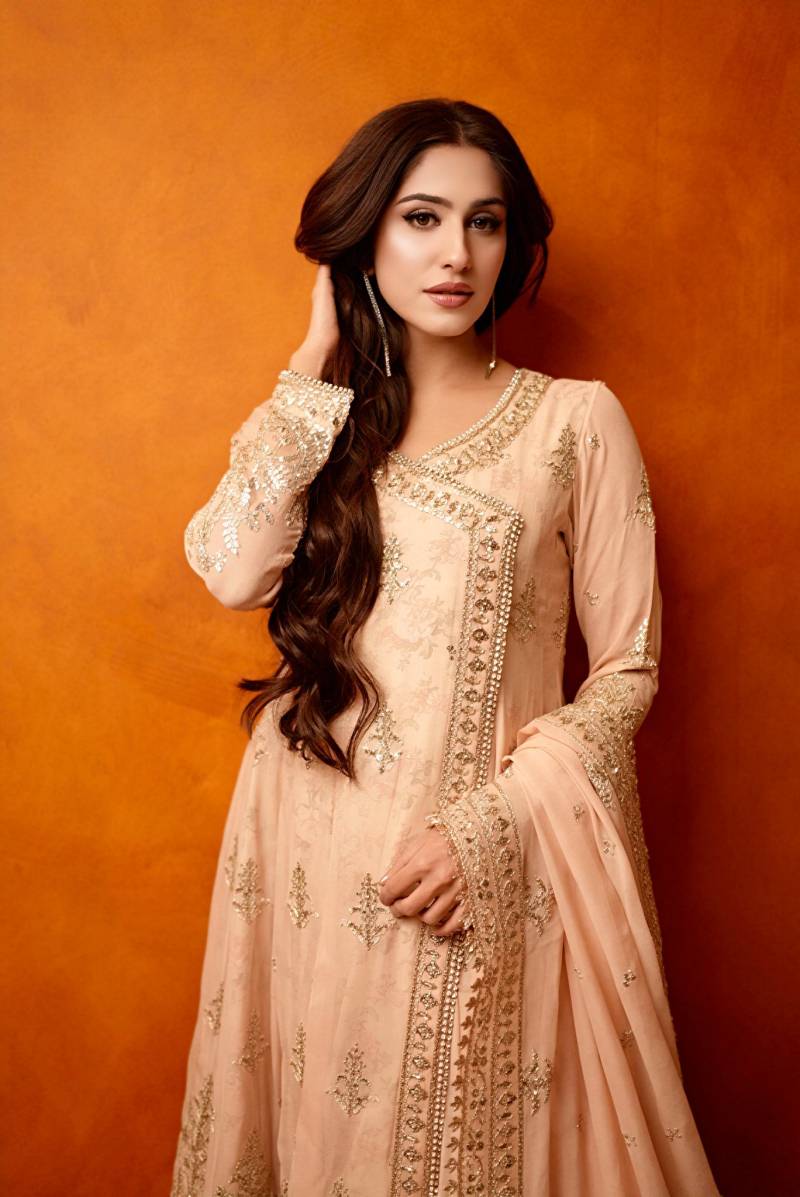
Activism in art can sometimes be misunderstood or even resisted. Have you ever felt the need to dilute your message to make it more palatable?
Yes, this is the tightrope every artist of conscience walks. I have bled for this. When I raise concerns rooted in values, I’m met with a strange look and told, “You think too much.”
It’s a profound irony that in the Islamic Republic of Pakistan, an Islamic lens on storytelling is often seen as too much. We’ve become fluent in borrowed narratives, but allergic to our own fitrah.
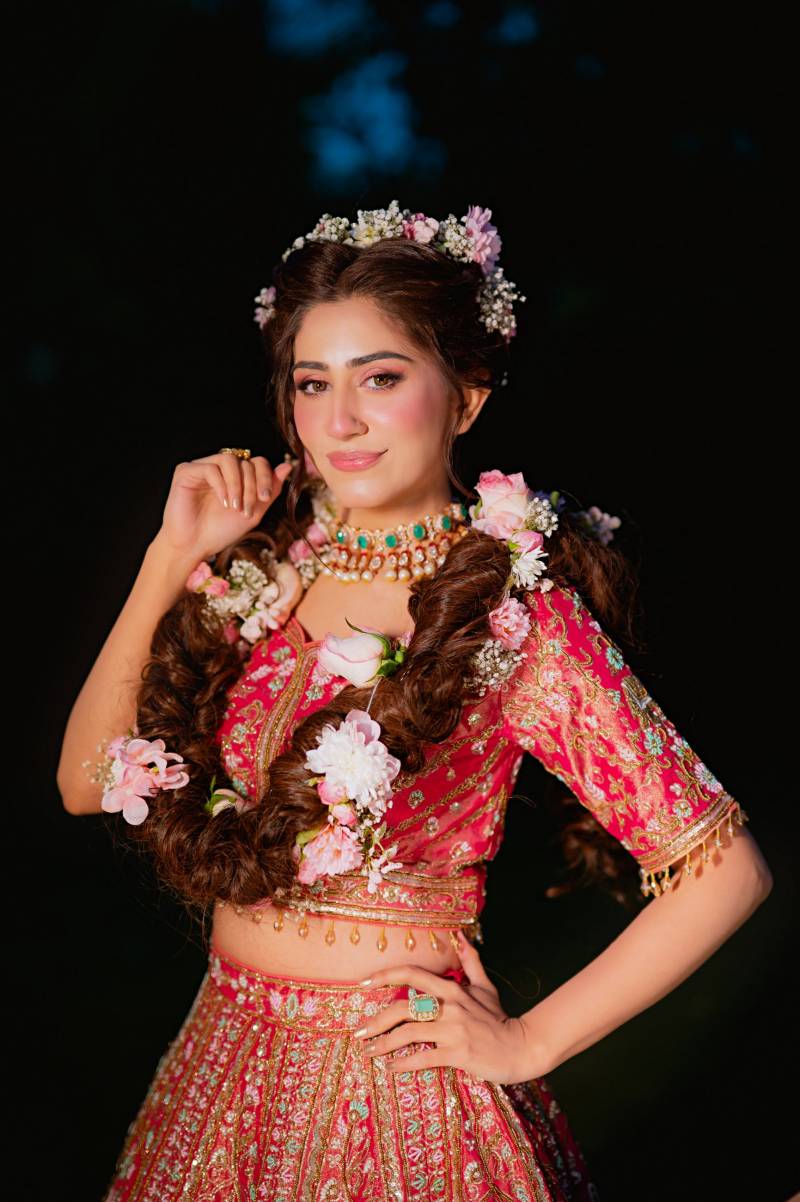
Do I dilute? The truth is, purity without reach is a whisper in an empty room. And the nafs of this industry runs on ego, glamour, and spectacle without maqasid, without higher purpose. To compete there with absolute rigidity is to guarantee silence.
So I practice hikmah, divine wisdom in strategy. If the sacred goal is to awaken hearts, then sometimes you enter through the gate people are actually watching. I may play a character that isn’t 100% of my ideal, but if she carries one layer of truth, one moment of haqq that plants a seed, then I have not compromised. I have strategized.
This is not dilution. This is tadreej, gradual revelation. The Prophet Muhammad (peace be upon him) didn’t transform Makkah in a day. He met people where they were, then elevated them.
So yes, sometimes I choose the middle path. Not to sell out, but to buy time. To earn the trust of an audience so I can later hand them the mirror they didn’t know they needed.
My loyalty is not to comfort. My loyalty is to impact. And impact, like dawn, comes in degrees, first a hint of light, then the full sun.
Safe stories don’t heal anyone. Art isn’t armor. Art is the open chest
How does your process differ when you’re acting in someone else’s vision versus creating your own narrative as a filmmaker?
When I work in someone else’s project, my first job is to listen. Really listen. I take the director’s vision into my heart and find where our truths meet. That alignment is sacred to me because a story only lives when everyone believes in it.
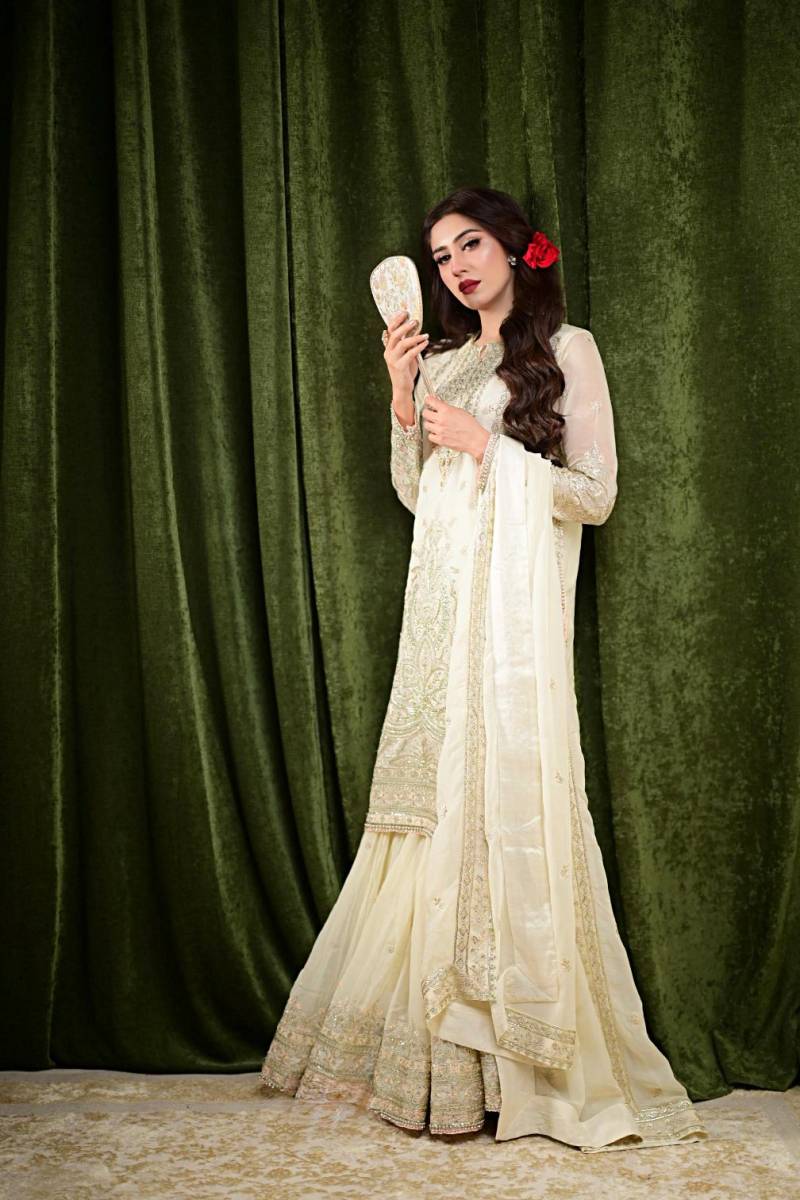
But I don’t just follow. I dig. I improvise in the quiet spaces of the script. I look for the part of the character that hasn’t been named yet, the ache, the prayer, the memory she carries in her bones and I bring that to the screen. My job isn’t just to say the lines. It’s to tell the truth they forgot to write.
When I’m creating my own films, everything changes. Then I’m not just an actor, I’m the one building the world. From the first line on the page to the color of a scarf in the frame, every choice comes from one place: my intuition, my faith, my responsibility to the story.
Yes, it’s heavier. There’s no one else to carry the weight. But there’s also no compromise. And for a creative soul, there is no relief like that. No freedom like building something that is fully, unapologetically yours.
In someone else’s vision, I’m a guest who arrives with a gift, my truth. In my own vision, I get to build the house where that truth can live.
Both paths matter. One teaches me humility. The other teaches me courage. And I need both to become who Allah made me to be.
What has been the most personal piece of writing or storytelling you’ve created so far, something that felt almost too vulnerable to share?
The most personal thing I’ve created is coming this year, my first rap song that I wrote, composed, and rapped.
It’s my story. Unfiltered. It holds the wounds that gripped me, and the ones life gave me at the same time. Every bar is a piece of what I survived, the betrayals, the grief, the moments I thought I’d break but didn’t.
I know it’s vulnerable. Terrifyingly so. Putting your scars into a rhythm and letting the world hear them? That’s exposure you can’t take back.
But this is why I became an artist. Because I believe being vulnerable is being brave. Strength isn’t pretending you’re unbreakable. Strength is letting people see where you cracked and how the light got in anyway.
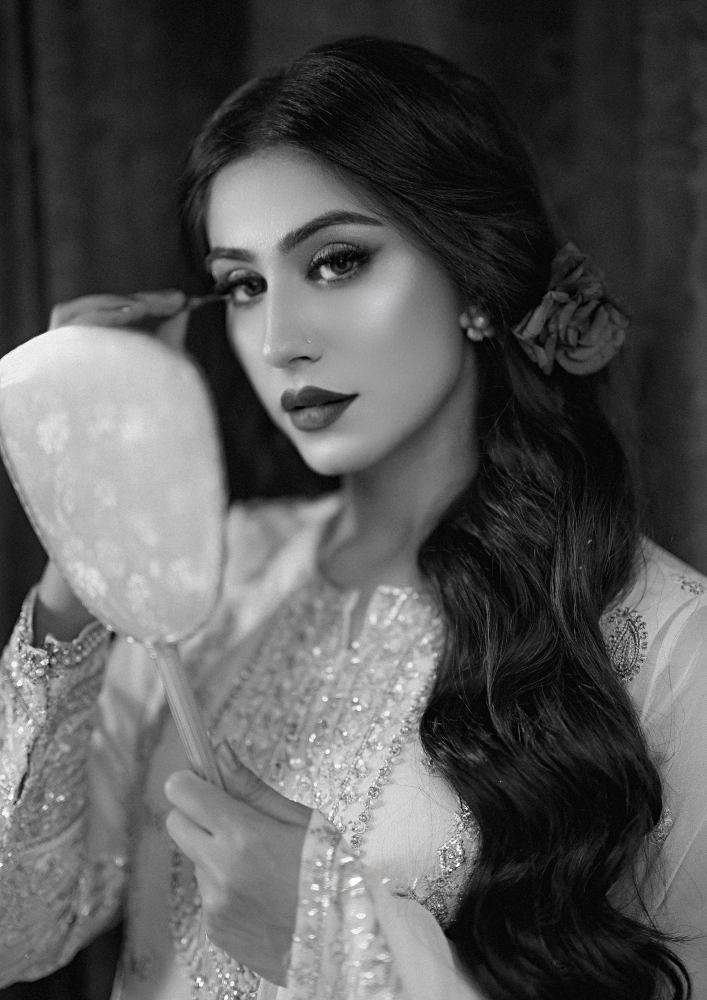
I could have kept it hidden and safe. But safe stories don’t heal anyone. I’m releasing it because maybe, somewhere, another woman is living through her own silent war. And if my truth gives her permission to own hers, then every shaky breath I took to record it was worth it.
Art isn’t armor. Art is the open chest. And I’m finally ready to let the world see mine.
Success is the condition of my soul when I meet Allah — everything else is just noise
If your work is ultimately about impact, how do you define success today? Is it reach, resonance, or something more internal?
For me, success has nothing to do with numbers. It’s not reach. It’s not resonance. It’s not even applause.
Success is the condition of my soul when I meet Allah.
I’m just an appointed human, doing the job I was sent here to do. This talent, this voice, this platform, it’s all amanat. A trust. And it’s temporary. My only duty is to be just, honest, and sincere with it for the limited time it’s in my hands.
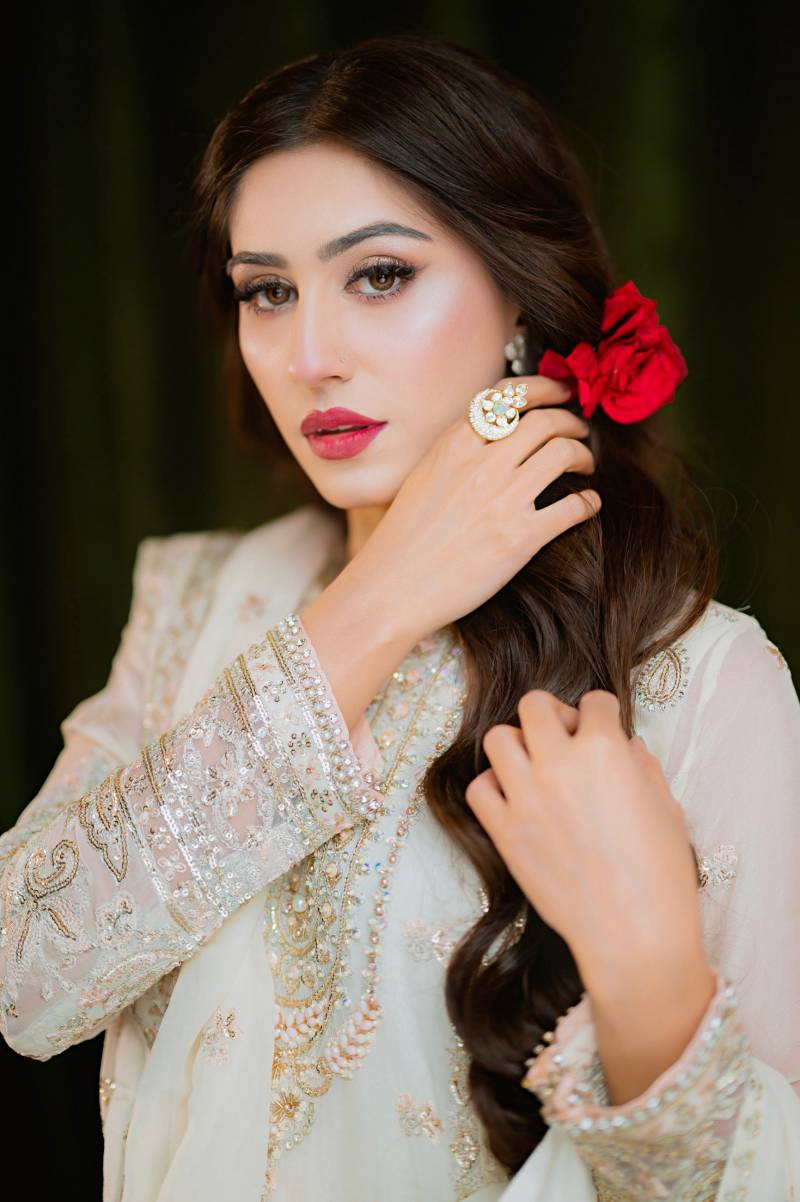
So I don’t measure success in views or followers. I measure it in niyyah. Did I purify my intention? Did I lean on tawakkul when the door slammed shut? Did I stay true when compromise was easier?
If my work reaches one person and shifts their heart toward truth, Alhamdulillah. If it reaches millions, Alhamdulillah. The number was never mine to decide. Rizq of impact, of audience, of outcome, was written before I was born.
I have no competition, because I’m not running anyone else’s race. My only finish line is beyond this timeline. And when I get there, I want to stand before Allah with a soul that’s lighter than when He gave it to me.
That’s success. Everything else is just noise.
Looking ahead, what kind of legacy do you hope to build, not just as an actor, but as a voice shaping culture and conversation?
I’ve watched this world carefully. I’ve seen how stories are used as spells, agenda-driven scripts designed to lull people to sleep, to make them forget how fragile this life is. To make them trade eternity for entertainment.
I don’t want fans. I want free souls
I refuse to add to that amnesia.
The legacy I want is not a name on a poster. It’s a crack in the illusion. I want to be remembered as the voice that reminded people: You are not here for long. And you were not made for small things.
I want to leave behind the legacy of spiritual bravery. The kind that doesn’t calculate what it will lose before it speaks the truth. The kind that knows cowardice is the only real death.
Let my work be a door. A door to other dimensions, where the soul remembers it was once with Allah, and this world is just a short, sacred exam. If my films, my songs, my words can open that door for even one person, then I’ve done my job.
I don’t want fans. I want free souls. I don’t want fame. I want to face Allah knowing I spent my amanat trying to set people free.
That’s the legacy.
Not monuments. Movements.
Not statues. Awakenings.
Interview: @sublimerantr
Hair & Makeup @shiza_salon @minahil_alamgir
Outfits: @minahilandzouhaofficial @aneelas_collection @aneelaspk
Jewellery: @opalbymadihaihsan
Styling/Coordination: @stylebyhassan @hassanabdullahofficial
Hair accessories: @seethrublooms
Photography: @omgmoods