
WHY IS PUNJAB’S DEVELOPMENT ALWAYS A LOVE LETTER TO LAHORE?
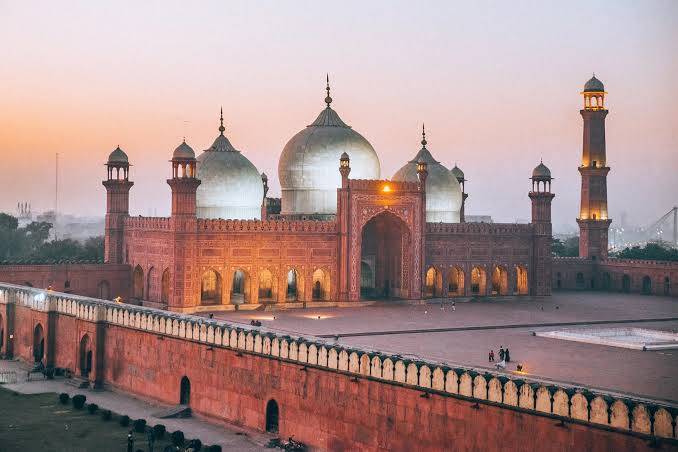
For decades, Punjab’s development map has read more like a portrait of Lahore than a blueprint for the province. From the Metro Bus to the Orange Line Metro Train and now the country’s first electric tram, the provincial capital continues to be the exclusive stage for flagship infrastructure projects. The rest of Punjab? It remains an afterthought, waiting in the wings, hoping to someday make it to the main performance.

This year alone, the Punjab government unveiled its largest-ever Annual Development Programme (ADP), worth an eye-watering Rs 1.24 trillion, a 47% increase from last year. On paper, the budget spans the entire province: allocations for roads, bridges, education, health, and urban development. Yet, when the dust settles and the announcements fade, it’s Lahore that ends up with the glittering, photo-ready megaprojects, while cities like Faisalabad, Multan, Sargodha, Gujranwala, and Bahawalpur make do with modest, low-visibility upgrades.
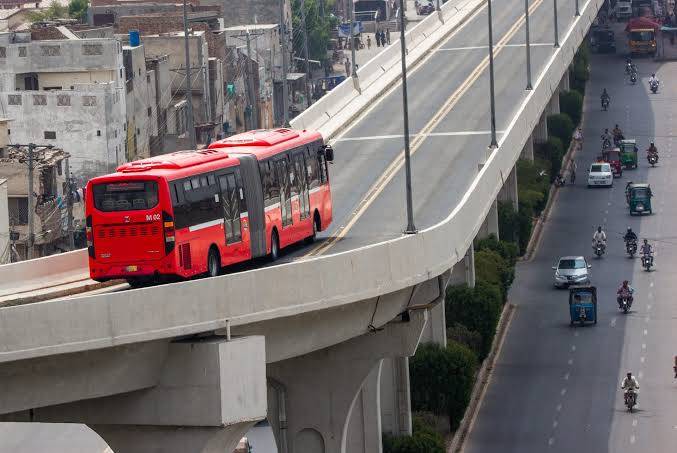
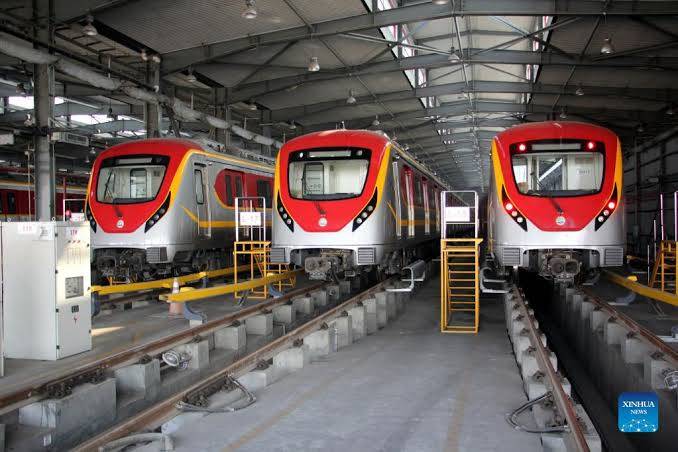
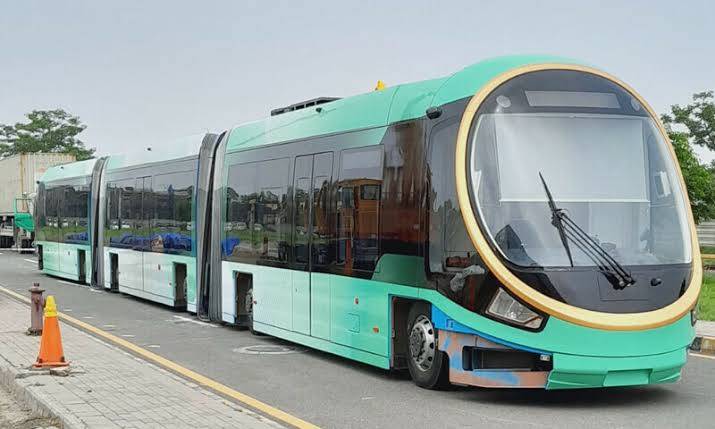
The pattern is impossible to ignore. In 2013, Lahore became home to the country’s first Metro Bus system, marketed as a game-changing urban transport solution. Soon after came the Orange Line Metro Train, Pakistan’s first metro rail, celebrated as a sign of progress despite its heavy price tag and environmental concerns. And now, in 2025, the provincial capital once again claims another “first”: the launch of a trackless, electric tram system along Canal Road. This tram, capable of carrying up to 300 passengers per trip, will be the pride of Lahore’s public transport, operating without rails and designed to eventually run underground to preserve the city’s green canopy.
Officials say Faisalabad, Gujranwala, and other cities may “later” receive similar trams if the Lahore pilot succeeds. But history has shown that “later” often never comes. The Metro Bus was promised for multiple cities, yet only Islamabad and Multan saw partial versions years later, without the same scale or fanfare.
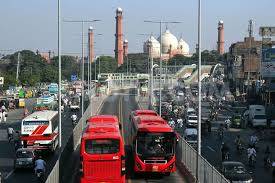
The question is: why is Lahore always chosen as the proving ground for Punjab’s most ambitious projects? Part of the answer lies in its status as the provincial capital and political stronghold. Lahore is where visibility matters most, projects here are high-profile, photogenic, and politically rewarding. Every new transport line or urban renewal scheme becomes a ribbon-cutting opportunity, a symbol of progress for campaign speeches.
But governance isn’t supposed to be about optics, it’s supposed to be about equity. In a province where millions live in underserved urban and rural areas, directing the lion’s share of cutting-edge infrastructure to one city isn’t just unfair; it’s a form of systemic neglect. While Lahore gets underground tram designs, heritage restoration authorities, and multi-billion-rupee urban beautification drives, other cities are left fighting for basic municipal improvements, delayed road repairs, and underfunded public transport systems.
This uneven development fuels more than just civic frustration, it widens economic gaps between cities. Lahore’s constant infrastructure upgrades attract more business, tourism, and migration, while other cities struggle to compete for investment. The imbalance isn’t just about pride, it’s about lost opportunities for growth, employment, and improved living standards across the province.
And here’s the real problem: no one in the corridors of power seems to be asking why. Neither the Punjab Assembly nor the federal government has seriously challenged the concentration of high-value projects in Lahore. Civil society, too, often reacts with resignation, as if it’s an unchangeable fact that the capital will always come first.
It doesn’t have to be this way. Punjab’s development budget is big enough to pilot transformative projects in multiple cities at once. The question is whether there’s political will to do so or whether we’ll keep watching Lahore take the lead while the rest of Punjab waits for its turn that never seems to arrive.
Until that changes, every new tram, train, or metro line in Lahore isn’t just a symbol of progress, it’s also a reminder of the cities left behind.
Text: Sundus Unsar Raja @sublimerantr