
SARWAT GILANI IN HER OWN WORDS | “I’m no longer willing to perform compliance.”

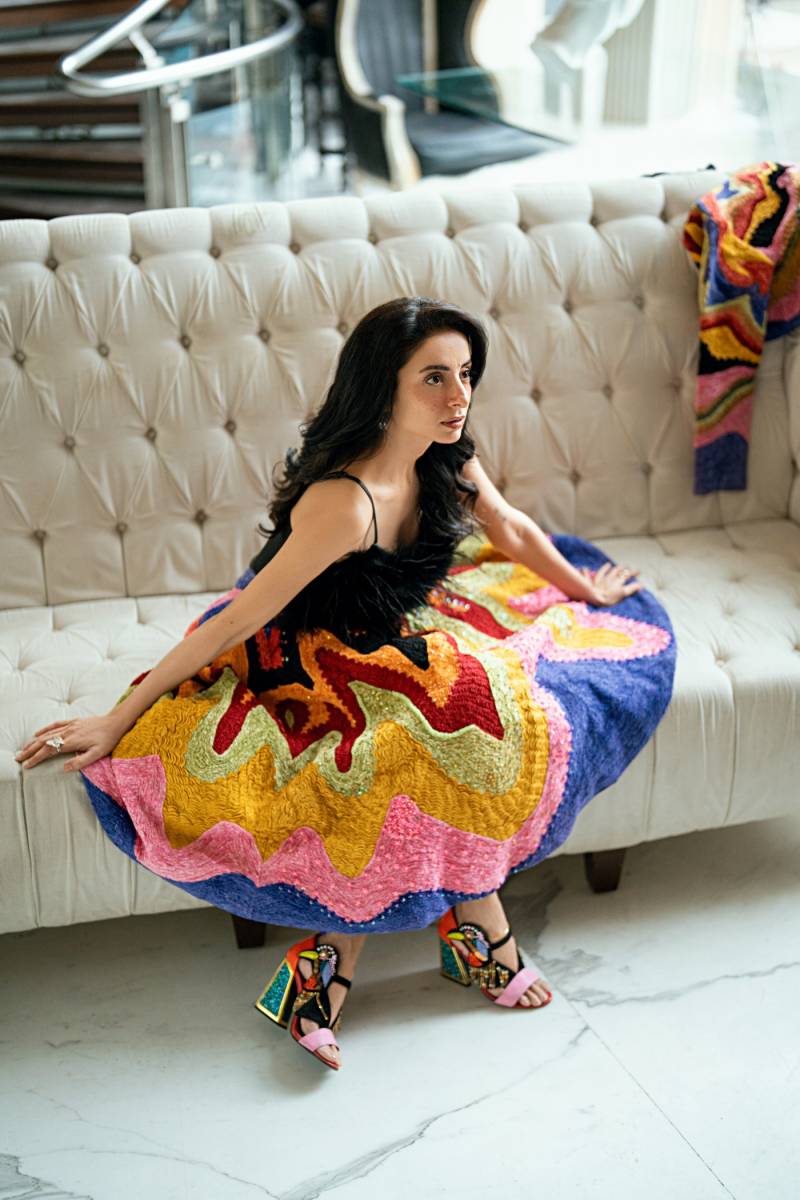
The light settles gently across the room, catching on textured upholstery and soft, neutral interiors as Sarwat Gilani takes her place, poised against a sculptural black chair, then grounded in quieter moments on a tufted sofa. The contrast is striking: bold, tactile layers of colour wrapped around her silhouette, offset by a restrained, almost meditative setting. There is something unmistakably composed about her presence, an ease that feels less like performance and more like self-possession. For HELLO! Pakistan’s April digital cover, Gilani appears reflective, thoughtful, and grounded in a way that mirrors the conversations currently shaping her career.
Success, for me now, is deeply tied to truth. Visibility without alignment can feel incredibly dissonant
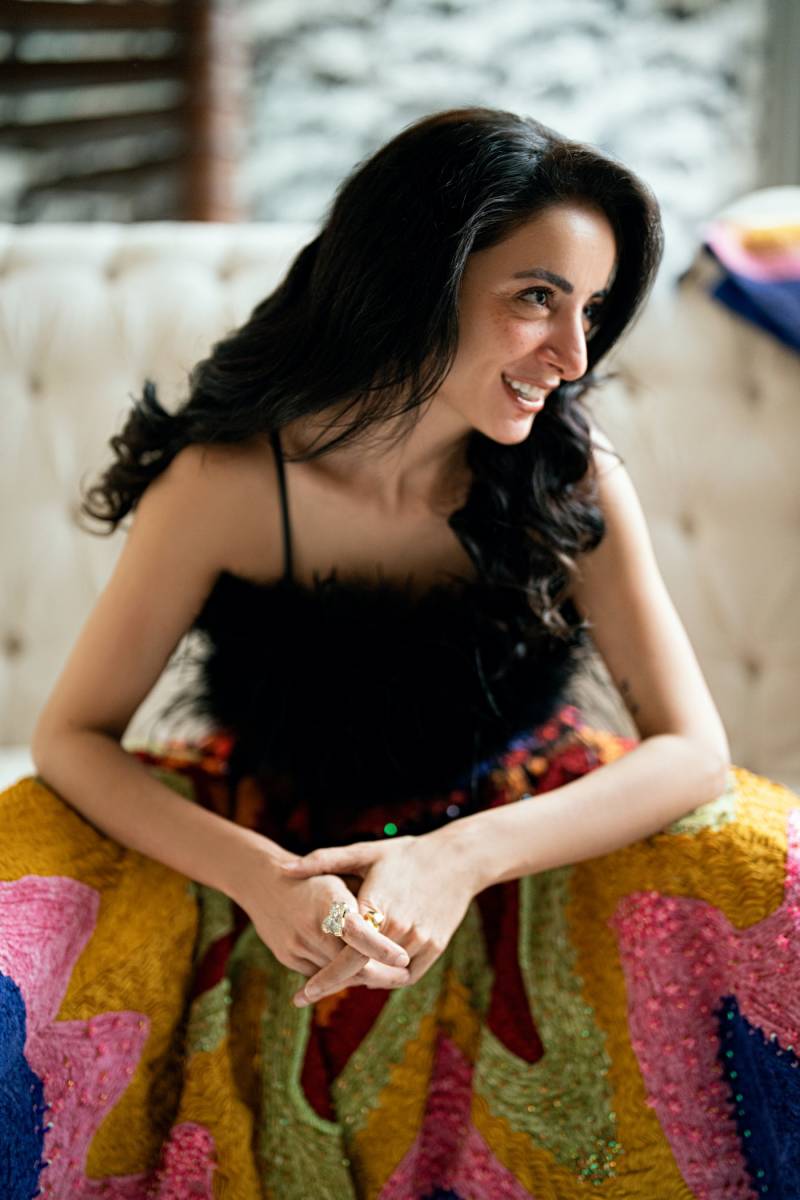
It’s a striking admission from an actor who has spent nearly two decades navigating Pakistani television, film and the evolving space between the two. The industry has always rewarded presence, the ability to remain continuously visible, continuously agreeable, continuously available. Gilani no longer seems particularly persuaded by that bargain.
You can be present everywhere and still feel absent within yourself
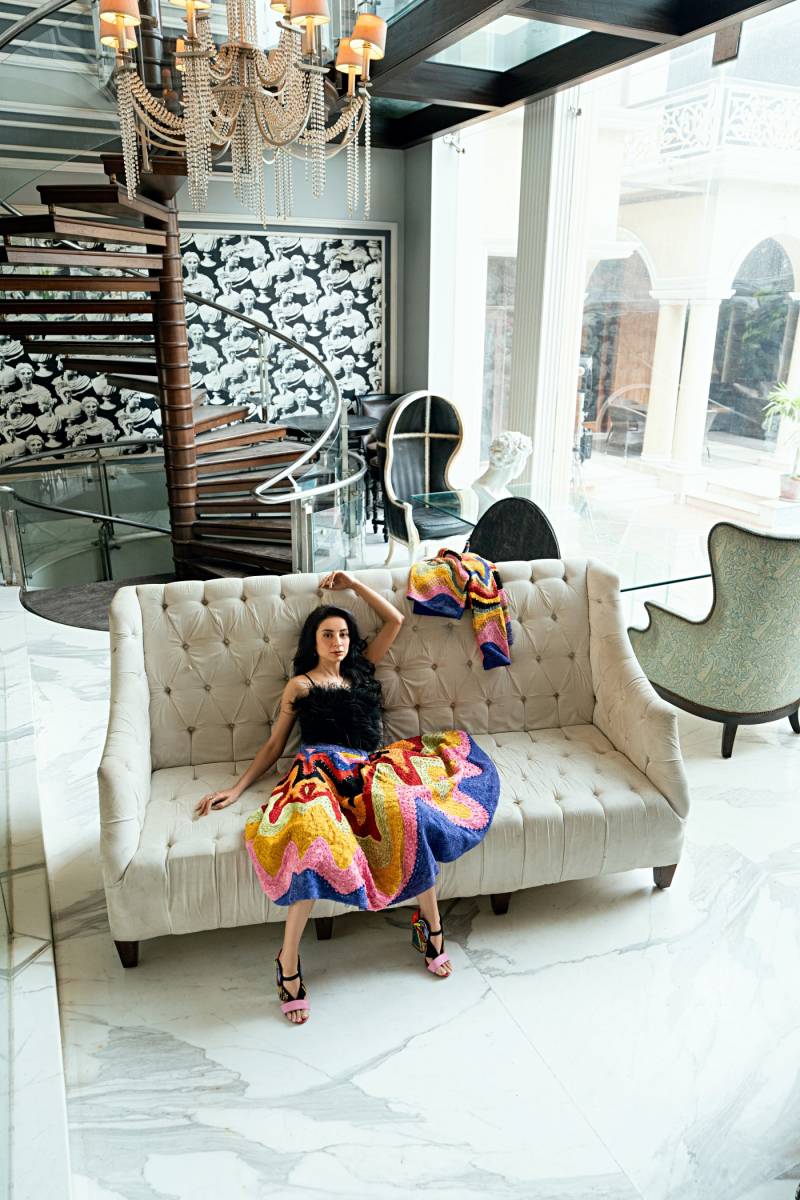
“Success, for me now, is deeply tied to truth,” she says thoughtfully. “There was a time when visibility felt like validation, being everywhere, being seen, being talked about. But over the years, you begin to realise that visibility without alignment can feel incredibly dissonant. You can be present everywhere and still feel absent within yourself.”
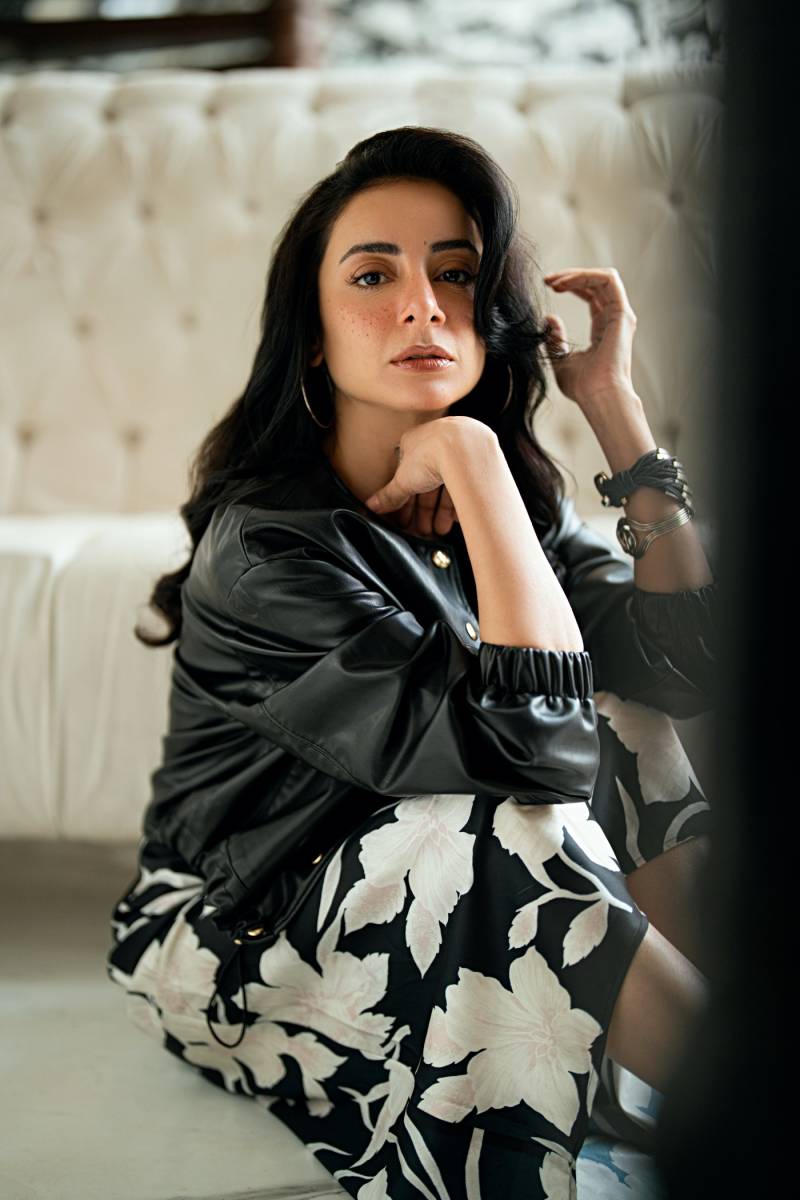
For Gilani, what matters now is not volume but resonance. The work must reflect her values, the questions she is asking, even the discomforts she carries. “At this stage, success is about being seen accurately in work that reflects my values, my questions, even my discomforts,” she explains. “I think of the women I’ve met over the years, mothers, activists, young girls trying to find their voice and what stays with me is not how visible they are but how rooted they are in who they are.”
At this stage in my life, I’m not drawn to roles that simply showcase me. I’m drawn to roles that shift something in me
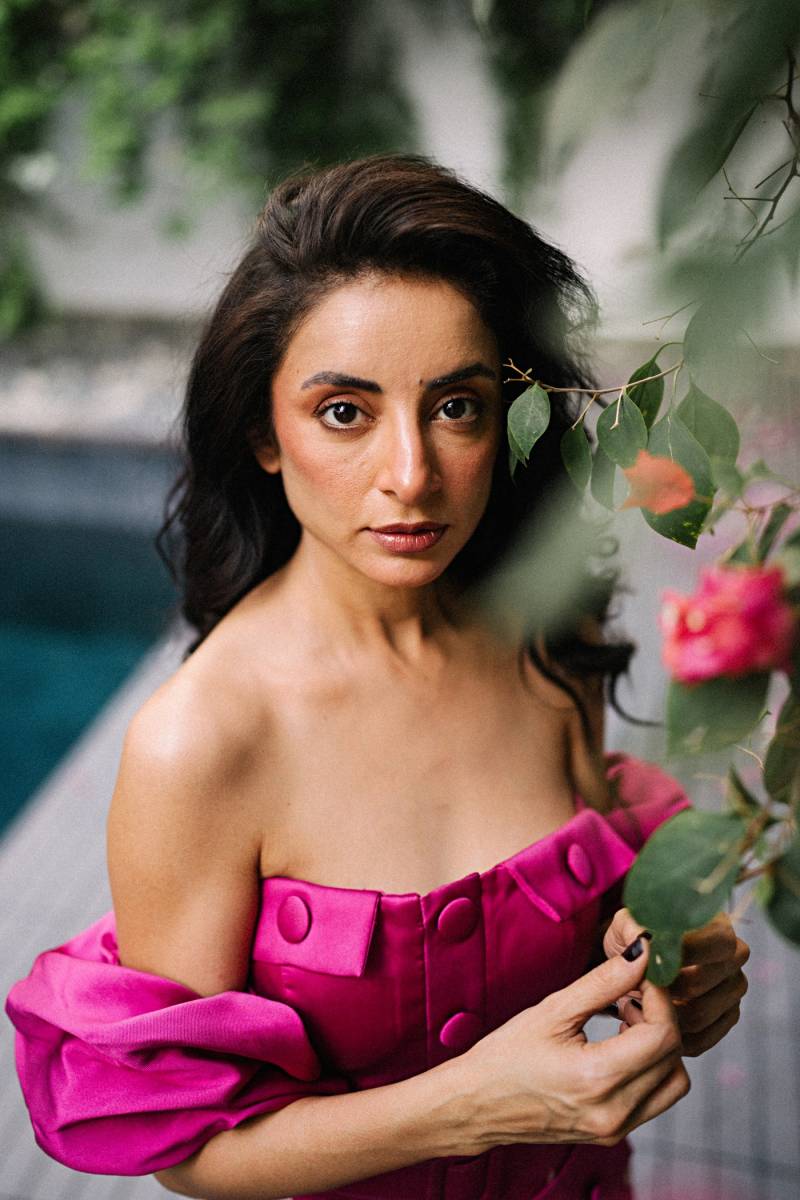
That instinct for truth is what drew her toward Biryani, a project that she describes as both a return and a challenge. Not a return to familiarity, but to instinct.
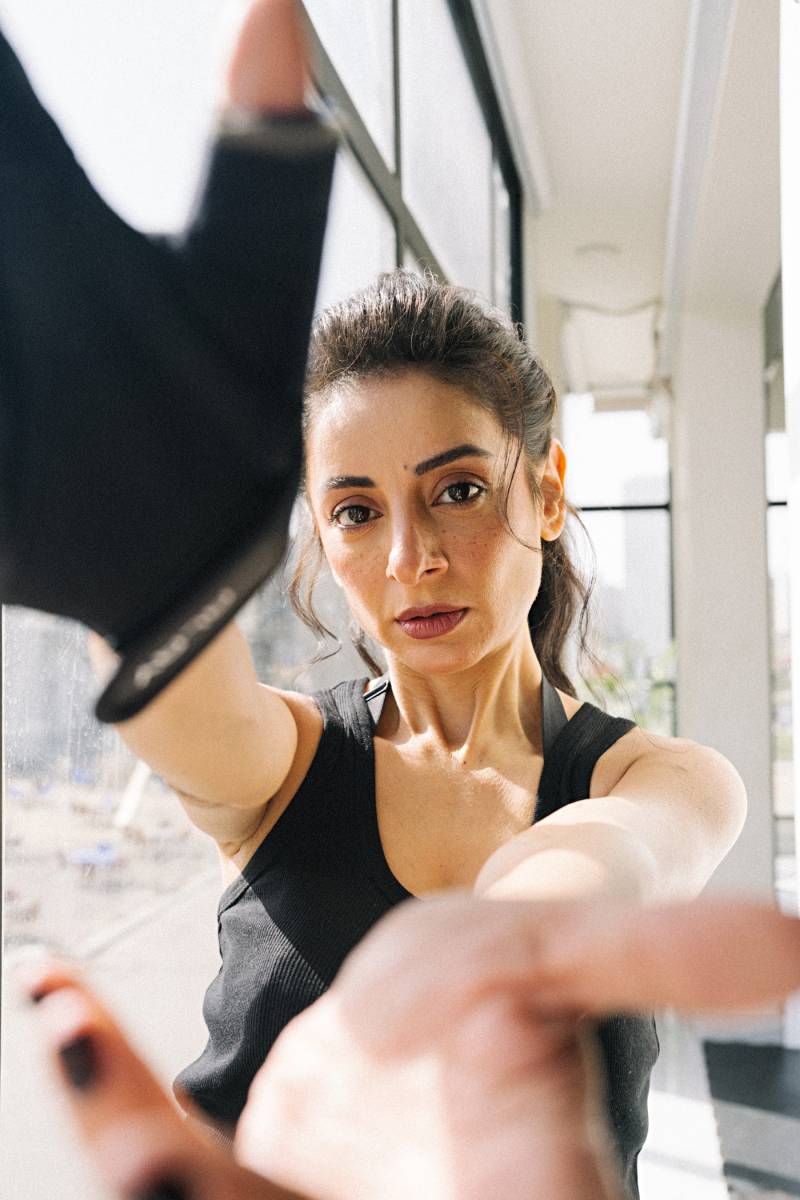
“Biryani felt like a return, but not to comfort, to instinct,” she says. “It was a project that didn’t try to package itself neatly. It allowed for messiness, contradiction, and a kind of emotional exposure that can feel quite unsettling as an actor.”
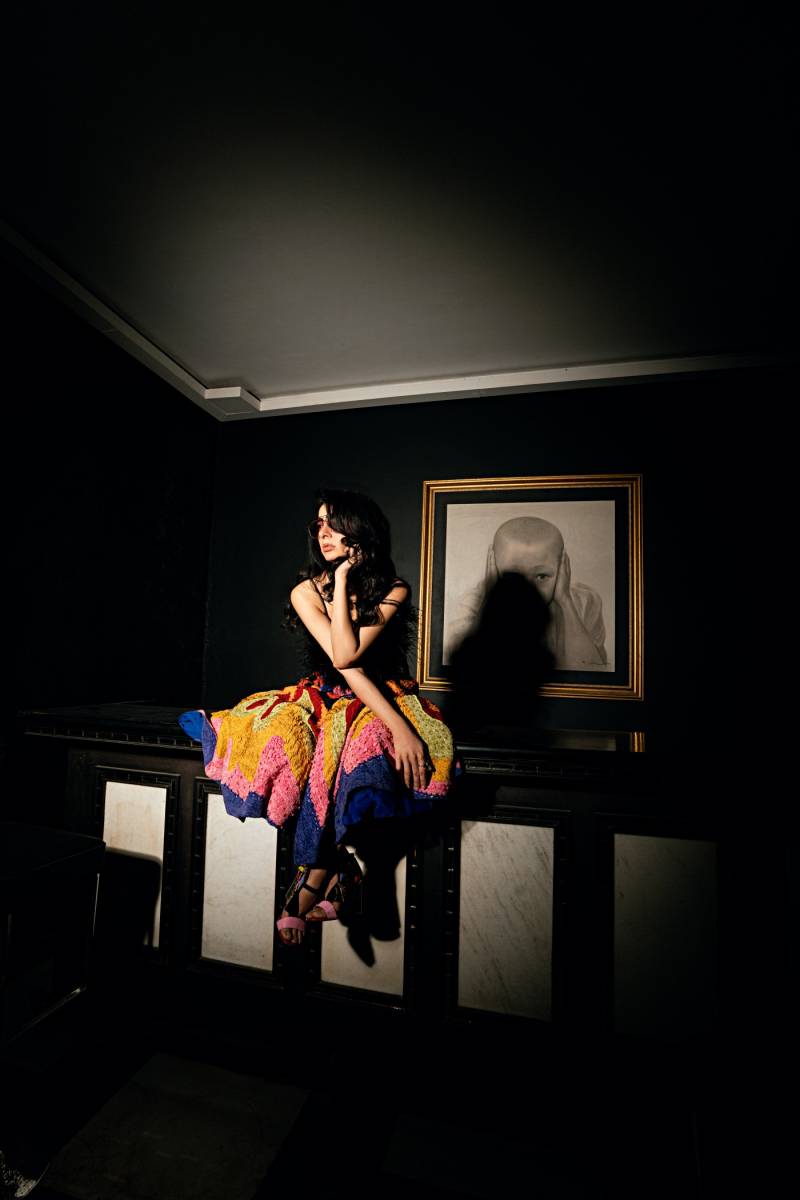
The character reminded her of women who exist quietly on the margins of attention, women carrying emotional burdens that rarely receive language or acknowledgment.
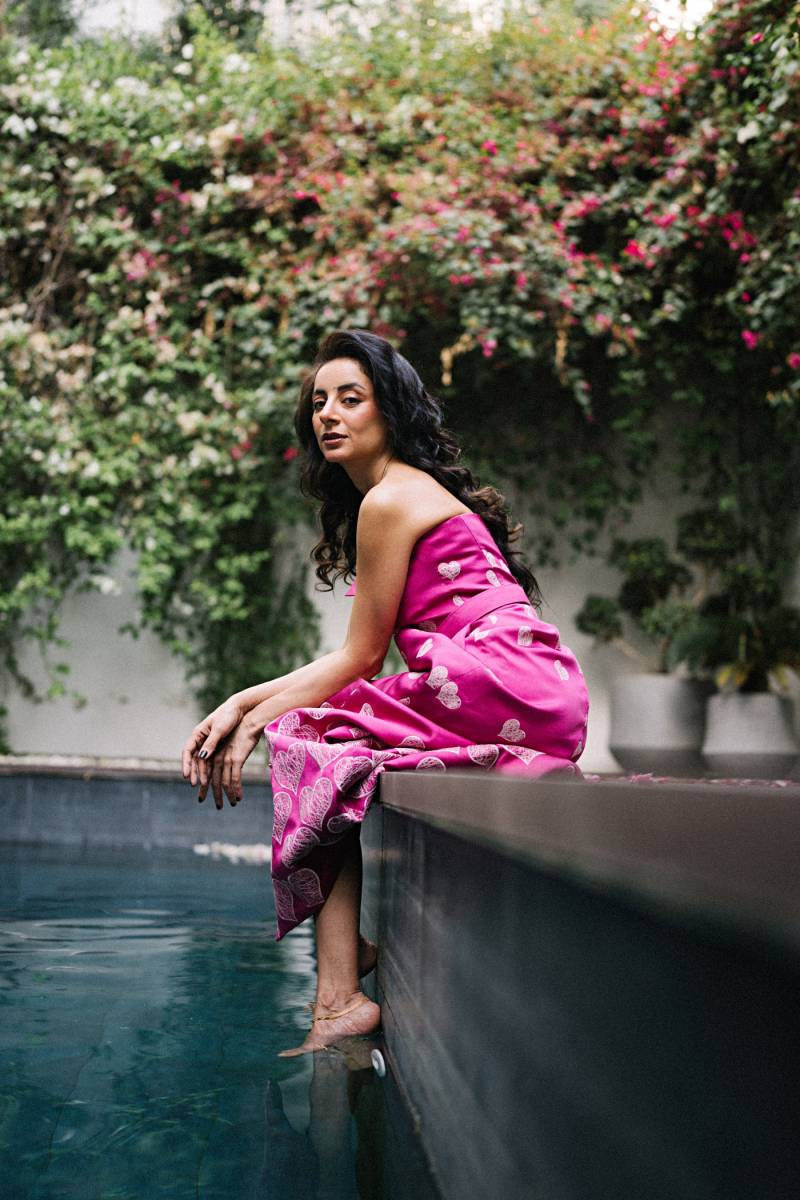
The right role doesn’t arrive as a checklist. It arrives as a disturbance
“There was something about the character that reminded me of women we often look past, the ones who are carrying entire emotional worlds quietly, without language or validation,” she reflects. “I’ve seen that in domestic spaces, in extended families, in women who are constantly giving but rarely asked what they need.”
For Gilani, roles now must do more than showcase her talent, they must move her.
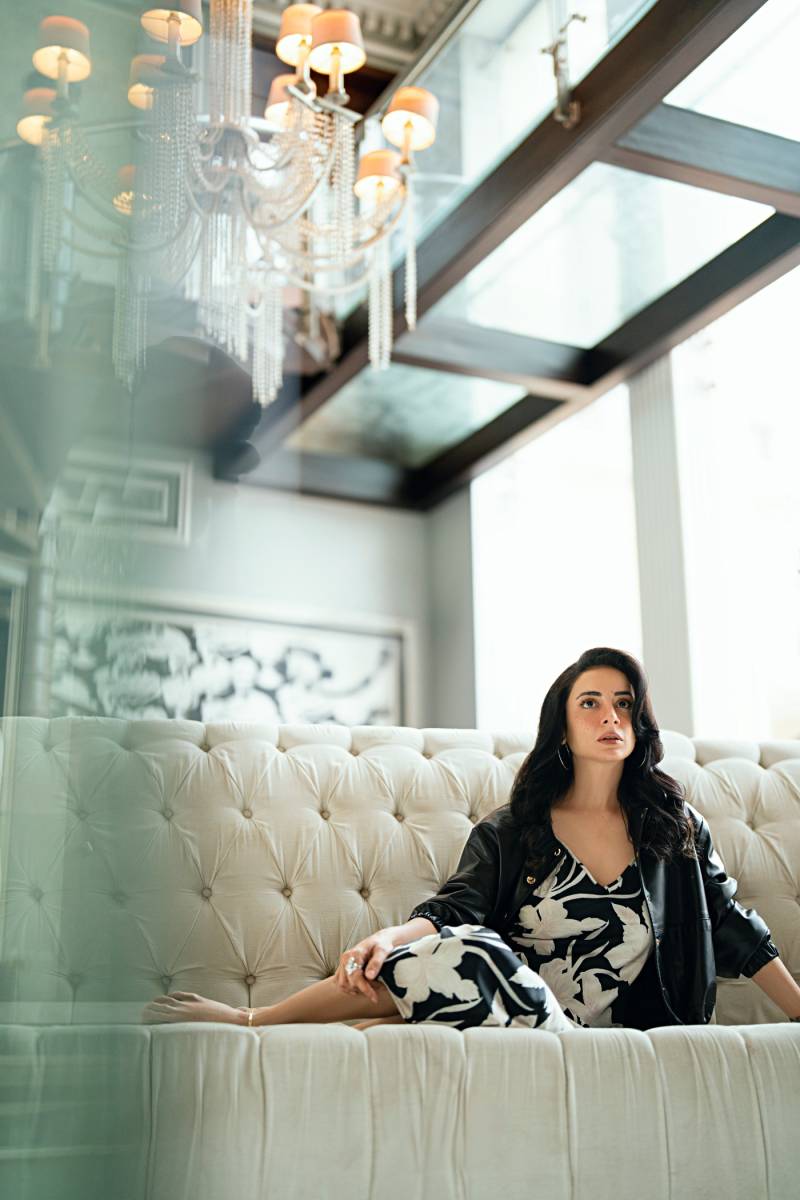
“At this point in my life, I’m not drawn to roles that simply showcase me, I’m drawn to roles that shift something in me. Biryani did that. It asked me to sit with discomfort rather than resolve it, and that felt honest.”
We rarely allow women to be complicated. We want them to be redeemable, understandable, ‘good.’ But real women are far more complex than that
It also speaks to something she has often said about her process, that roles choose her rather than the other way around. What she means by that, she explains, is an emotional recognition rather than a calculated decision.
“The right role doesn’t arrive as a checklist, it arrives as a disturbance,” she says. “It lingers. It unsettles you. It asks questions you may not even be ready to answer.”
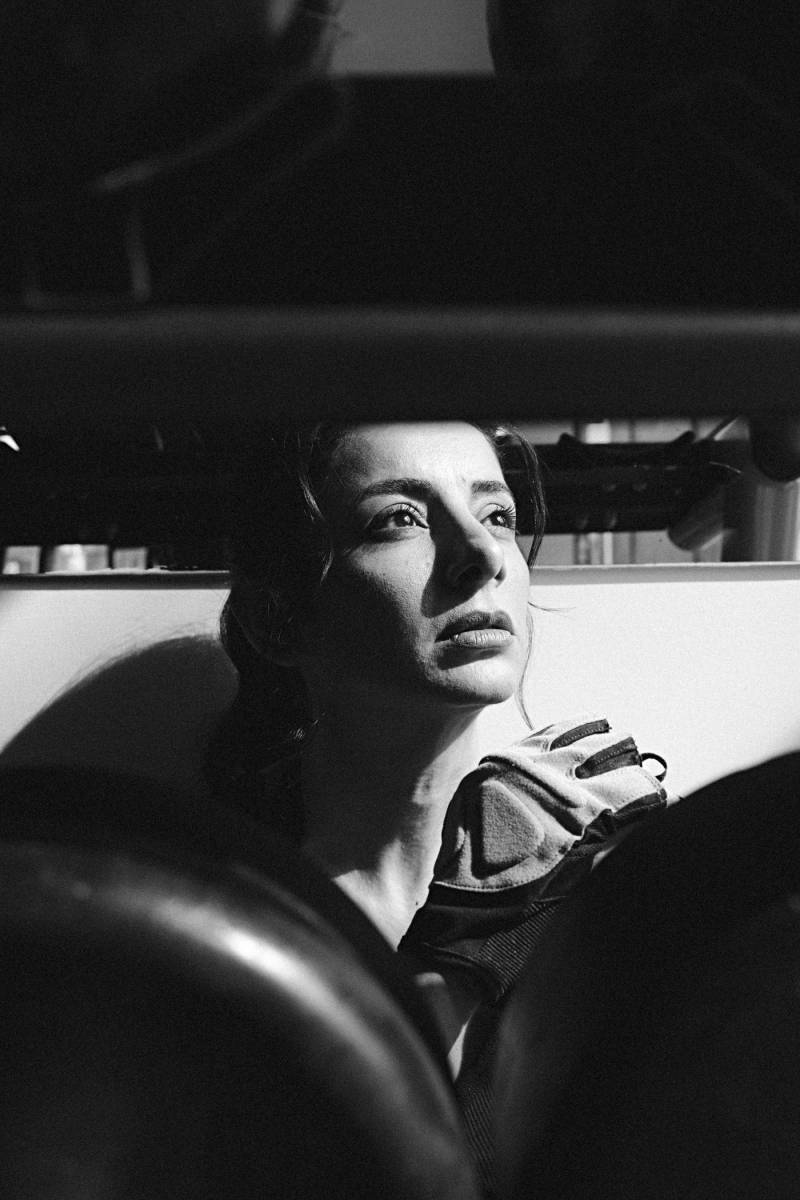
Some scripts are technically perfect but fail to leave a lasting impression. Others are flawed but impossible to ignore.
“There have been times when I’ve read scripts that were perfectly written, very polished, but they didn’t move me. And then there are roles that are imperfect on paper, but something about them refuses to leave you alone,” she says. “Sometimes you’re not ready for a role, and sometimes a role arrives exactly when you need to confront something within yourself.”
Discomfort is honest. It forces the audience to confront something within themselves rather than simply consuming the character
Perhaps the most intriguing idea she has floated recently is her desire to play what she calls a “really ugly role.” In an industry still heavily invested in glamour, the phrase stands out.
But Gilani clarifies quickly that the ugliness she is interested in has nothing to do with appearance. “When I say ‘ugly,’ I’m not talking about physical transformation, I’m talking about emotional and moral discomfort,” she explains. “I’m interested in characters who are not trying to be liked, who are not softened for the audience’s approval.” She believes women on screen are often denied the complexity afforded to male characters.
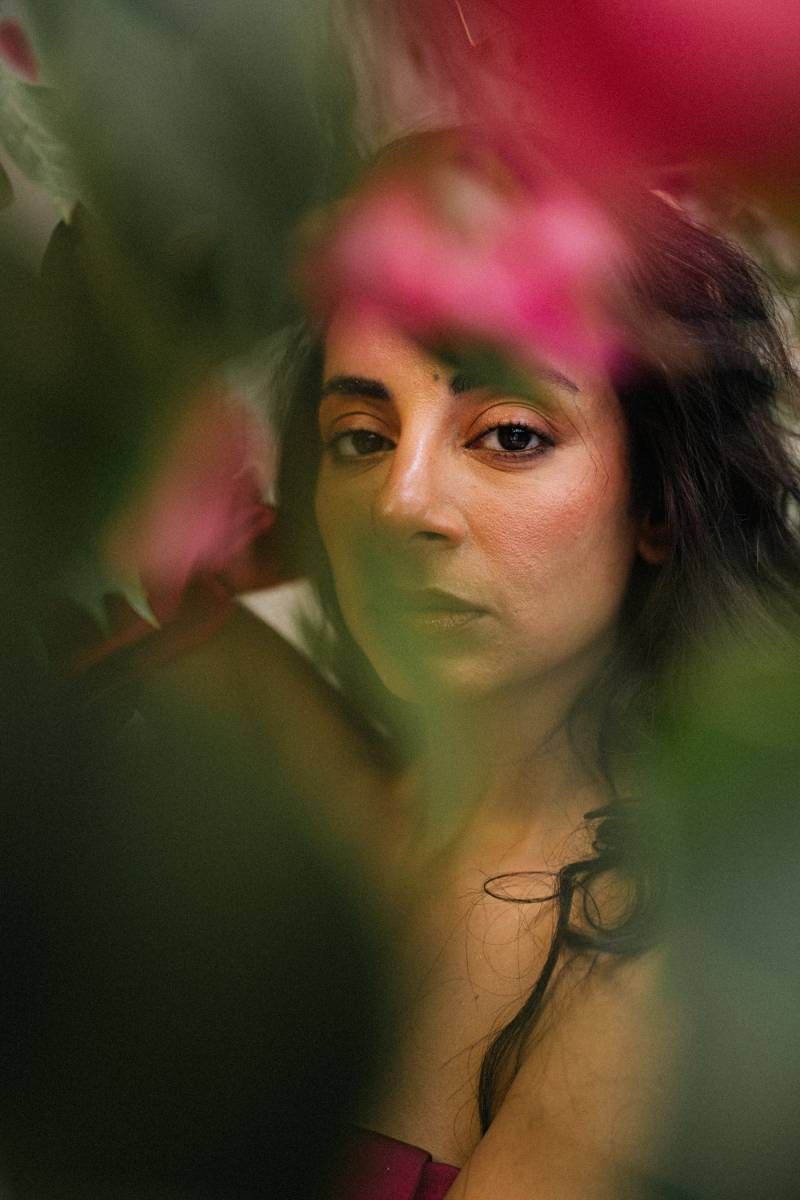
“We rarely allow women to be complicated in that way. We want them to be redeemable, to be understandable, to be ‘good’ in some form,” she says. “But real women are far more complex than that.”
Self-respect is not negotiable. It may slow things down, but it makes the journey far more honest
The women she hopes to portray next are those who resist easy judgment. “I think of women who are angry but don’t know how to express it, women who make choices that are difficult to defend, women who are shaped by circumstances that don’t allow for softness,” she adds. “That kind of ugliness is deeply human.”
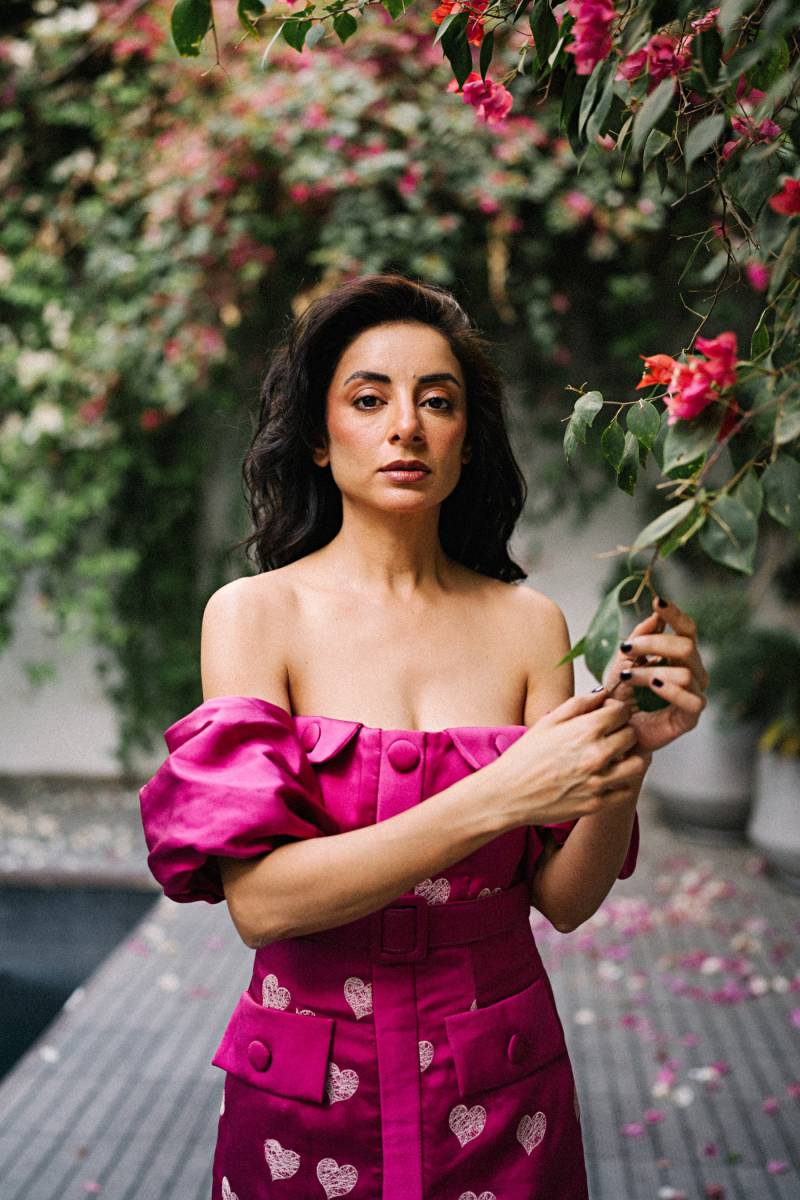
Working within the fast-paced ecosystem of Pakistani television presents its own challenges. Dramas often demand immediate reactions and clear emotional signals, leaving little room for subtlety. Yet Gilani has developed ways of protecting the interior life of the characters she plays. “It’s a constant negotiation,” she says. “Television often demands clarity and speed, emotions need to be legible, reactions need to be immediate. But real life doesn’t work that way.” Instead, she looks for the spaces between the lines. “For me, interiority comes from protecting those silences. Even in a scene that is written very directly, I try to find what the character is withholding,” she explains. “Sometimes it’s in the way she pauses before responding, or the way her body holds tension even when her words don’t.” These silences, she believes, are where authenticity lives. “I’ve seen this in real women around me, how much is left unsaid, how much is communicated through restraint,” she says.
A strong woman is often defined by how much she can endure. A free woman is defined by her choices
As her career evolves, Gilani admits she is increasingly drawn to characters that unsettle audiences rather than comfort them. “I’m far more interested in women who create discomfort,” she says. “Because discomfort is honest. It forces the audience to confront something within themselves rather than simply consuming the character.”
Empathy, she notes, can sometimes be passive. “Discomfort, on the other hand, is active, it asks something of you.”
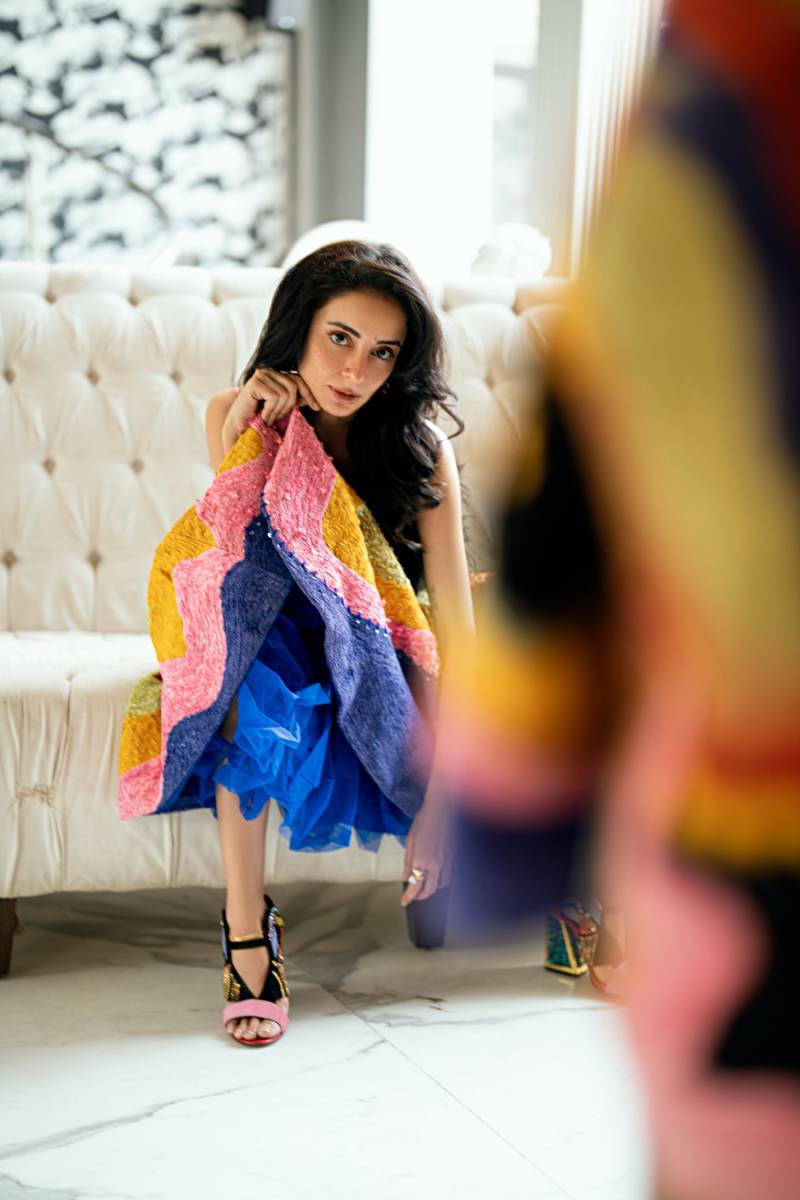
When she begins building a character, the process often starts before dialogue or physicality enters the picture. “It almost always begins in silence,” she says. “Before I understand what the character is saying, I try to understand what she is not saying.” From those quiet spaces, the psychology of the character begins to take shape. “I think of women I’ve known, how much of their lives exist beneath the surface. Their pauses, their hesitations, the things they choose not to articulate.”
That clarity extends beyond the screen. In recent conversations, Gilani has spoken openly about refusing to compromise on self-respect, an admission that carries particular weight in an industry where women are often expected to remain agreeable. “It cost me ease,” she says frankly. “It cost me being universally liked.” At times, maintaining those boundaries meant stepping away from opportunities that might have been beneficial in the short term. “But over time, you realise that constantly negotiating against yourself has a much higher cost,” she says. “Self-respect is not negotiable. It may slow things down, but it makes the journey far more honest.”
That honesty also informs her critique of the industry itself. Women, she believes, are still too often treated as narrative support rather than narrative centres. “Women are still frequently positioned as narrative support, someone who facilitates the journey of another character, rather than being the centre of her own story,” she says. While there has been progress, she believes the imagination around women’s stories remains limited. “There are so many lives, so many experiences that remain unexplored, women outside traditional frameworks, women navigating ambition, identity, contradictions,” she says. “But we often return to what feels safe.”
The silence around postpartum depression felt more dangerous than the vulnerability of speaking about it
This safety, she believes, is tied to an enduring narrative that continues to shape storytelling: the idea that women must constantly prove they are worthy. “Young girls are still raised with the idea that their worth is something to be evaluated by society, by family, by relationships,” she says.
Yet she believes storytelling also holds the power to reshape that framework.
“There’s an opportunity to move from ‘Am I good enough?’ to ‘What do I want?’”
Interestingly, Gilani does not believe audiences are the conservative gatekeepers they are often portrayed to be. “I think audiences are far more open than we assume,” she says. “Sometimes ‘the audience’ becomes a convenient justification for creative caution.” When something honest and well-crafted appears, viewers respond. “So I think the question is less about the audience, and more about whether we are willing to take those risks.”
In many ways, the heart of Gilani’s philosophy can be captured in her distinction between a strong woman and a free woman. “A strong woman is often defined by how much she can endure, how much she can sacrifice, absorb, تحمل,” she says. “But a free woman is defined by her choices.”
Strength, she notes, does not always equal freedom. “You can be strong and still be confined. Freedom is about agency, the ability to choose, to change, to walk away.”
I’m no longer willing to perform compliance—not in my work, not in public life, and not in the negotiations behind the scenes
Her willingness to speak openly about postpartum depression is another reflection of that honesty. The decision came from a deep discomfort with the idealised portrayal of motherhood. “Motherhood is often presented in very idealised terms, and that leaves very little room for women who are struggling,” she says. The silence surrounding it felt more dangerous than the vulnerability of speaking out. “I remember thinking how isolating that can feel, to be surrounded by an image that doesn’t reflect your reality,” she says. “I wanted to create space for honesty. Because the moment one woman speaks, it allows others to feel less alone.”
Looking back, Gilani acknowledges that the industry may not yet have fully explored the range of what she can do. “Perhaps a bit of both,” she says when asked whether she feels misread or underused. But she no longer feels compelled to correct those perceptions. “I’m less interested in how I’ve been perceived, and more interested in what I choose to do next,” she says. There is a certain freedom in that shift. “When you stop trying to correct perception and start focusing on expression.”
What she refuses to perform anymore, however, is compliance. “I’m no longer willing to perform compliance,” she says. “Not in my work, not in public life, and not in the quieter negotiations that happen behind the scenes.”
Collaboration, she believes, should never come at the cost of erasure.
“There’s a difference between collaboration and erasure. And I think I’ve reached a point where I can recognise that difference clearly.”
As the shoot wraps and the final frames are captured, the conversation turns to what she hopes the next chapter of her career will say about her.
“That I remained layered,” she says after a pause. “That I resisted simplification. That I allowed myself to evolve without feeling the need to become more palatable.”
More than anything, she hopes the record reflects honesty.
“If anything,” she says, “I hope it says that I became more honest with my work, with my choices, and with myself.”
RAPID FIRE
● The first role you ever felt truly proud of?
Silla in Azar Ki Ayegi Baraat. It gave me my first real sense of confidence as an actor.
● A character you wish you had played?
Saba Qamar in Baaghi, so layered, so fearless.
● One Pakistani drama trope you’re tired of seeing?
The idea that a woman must endure everything to be considered strong.
● A director who pushes you creatively?
Asim Abbasi, he really encourages honesty over performance.
● A role that challenged you emotionally the most?
Churails. It was intense, empowering, and deeply personal in many ways.
● One thing the industry needs to change immediately?
We need to trust our audiences more, they appreciate nuance.
● A film or performance you return to for inspiration?
Cate Blanchett in Blue Jasmine. It’s beautifully raw.
● Something audiences would be surprised to learn about you as an actor?
I still get nervous before every project, it never really goes away.
● A character type you haven’t played yet but deeply want to?
A woman who is completely unapologetic and morally complex.
● One word that describes where Sarwat Gilani is in life right now?
Aligned.
Interview: @sublimerantr
Outfit: @siddharthabansal_
Styling and Direction: @raoalikhan
Hair & Makeup: @nabila_salon
Shot by: @iam3h