
DR. SUNDAS ALI ON ETHICAL AESTHETICS, HEALTHY SKIN AND WHY BEAUTY SHOULDN’T BE RUSHED

In a world increasingly shaped by filters, fast fixes, and viral beauty trends, Dr. Sundas Ali stands firm in her belief that skin health should never be sacrificed for instant gratification. As a dermatologist, aesthetic physician, and founder of SA Clinic, she brings a deeply ethical, patient-first approach to modern aesthetics, one that prioritizes longevity, balance, and emotional well-being as much as appearance. In this conversation, she reflects on redefining beauty, resisting overcorrection, leading with integrity, and why true confidence begins long before a mirror or a camera.

Beauty isn’t a frozen face or a perfect selfie, it’s skin that functions well in real life
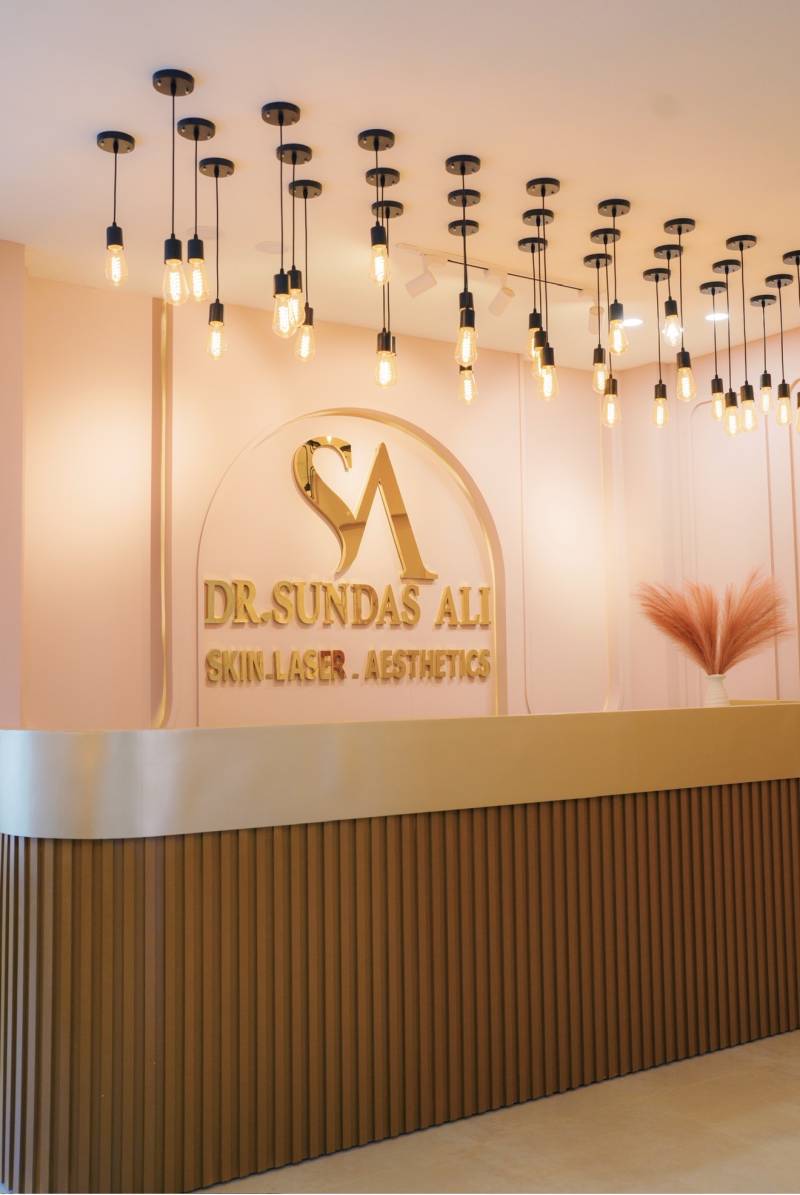
You often say “Healthy skin is beautiful skin.” In an era obsessed with instant results and filters, how do you redefine beauty for your patients?
For me, beauty isn’t a frozen face or a perfect selfie; it’s skin that’s functioning well, aging naturally, and reflecting overall health. I try to shift the focus from “How do I look on camera?” to “How does my skin actually look and feel in real life?” When patients understand that glow, clarity, and balance come from care, not correction, their whole relationship with their face changes. And that’s where real confidence begins.
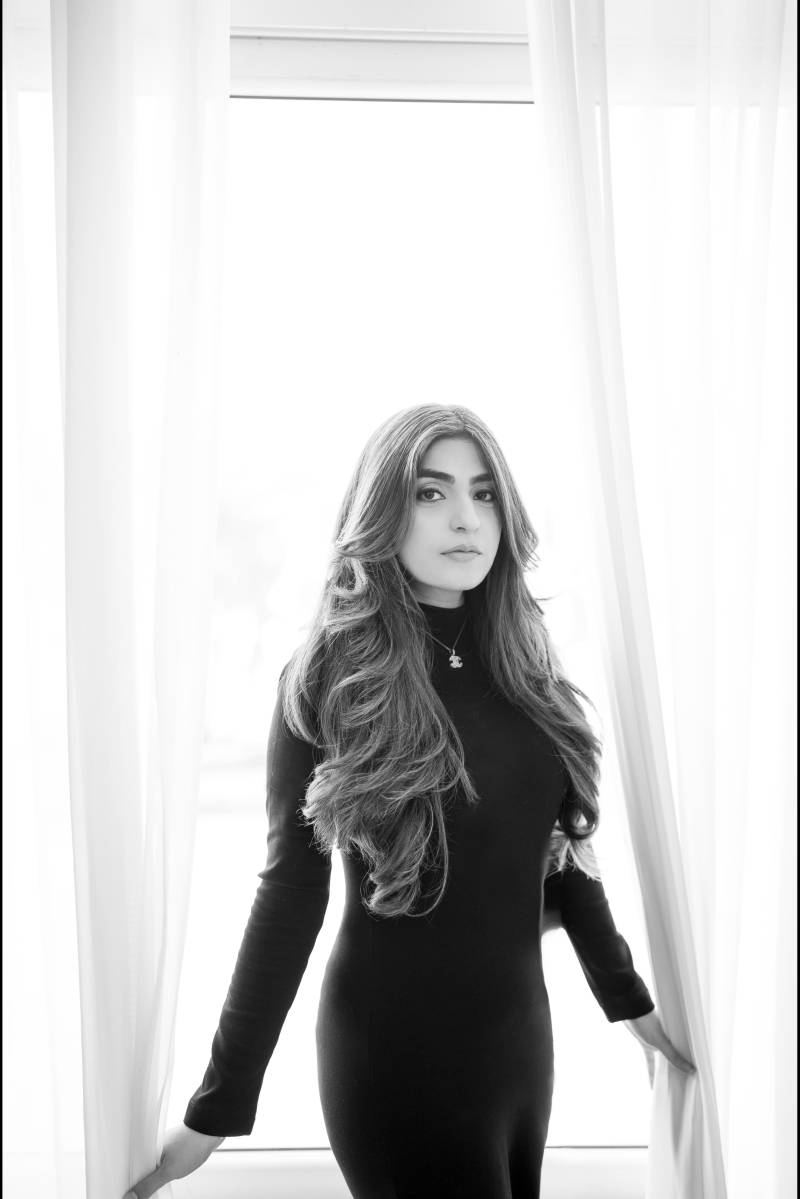
I’m a doctor first, not a trend-chasing aesthetic service provider

As both a dermatologist and an aesthetic physician, how do you navigate the fine line between medical responsibility and the growing commercial pressure of aesthetic trends?
I remind myself every day that I’m a doctor first, not just an aesthetic service provider chasing trends. Just because something is popular doesn’t mean it’s appropriate, safe, or right for the patient. I feel responsible not only for how my patients look now, but for how their face will age in five, ten, or twenty years. That responsibility always comes before business for me.
Ethical aesthetics means saying no, even when yes would be easier or more profitable

Ethical aesthetics is a term you strongly stand by. What does ethical practice look like in real-life decision-making inside your clinic?
It means saying no, even when yes would be easier or more profitable. It means recommending fewer treatments, not more, when needed. It means choosing a subtle, natural look over drama, and long-term skin health over short-term satisfaction or quick fixes. Ethical practice, to me, is protecting a patient from lifelong regrets, even if they don’t realise the long-term effects of an unjustified treatment at the moment. They need that guidance from me as a physician at that moment.
Aging isn’t a failure, it’s a privilege we’ve been taught to fear

Over-correction has become normalized in cosmetic culture. What do you think this trend says about our relationship with aging and self-image?
I think it shows how uncomfortable we’ve become with normal human change. Aging isn’t a failure; it’s a privilege. But we’ve turned it into something to fight, erase, or hide. When faces stop looking like they’ve lived, laughed, or felt, we lose something very human. I try to bring patients back to the idea that looking like the best version of their natural selves, just well-rested and well-cared-for is enough.

Building SA Clinic required you to step into entrepreneurship alongside medicine. What was the most unexpected challenge you faced when becoming a doctor-founder?
Realising that being a good doctor isn’t enough to build a sustainable system. I had to learn leadership, decision-making, financial responsibility, and business management, things we’re never taught in medical school. It was humbling, challenging, and deeply transformative. I didn’t just grow a clinic; I grew as a person.
Real skin change is slow, layered, and quiet, not viral
How do you personalize treatments in a world where patients often walk in asking for the same viral procedures they see online?
I listen first, not just to what they’re asking for, but why they’re asking for it. Once I understand their concern, lifestyle, skin behaviour, and emotional motivation, the treatment almost designs itself. No two faces are the same, so no two plans should be either.

Long-term skin health requires patience, while social media thrives on immediacy. How do you educate patients to value consistency over quick fixes?
By being honest. I tell them the truth: real skin change is slow, layered, and quiet. There’s no single treatment that replaces daily care, protection, and discipline. When patients realise that consistency actually saves them money, time, and disappointment in the long run, they start choosing better.
A patient should leave feeling understood, not just visually altered
As a woman leading a medical business, how has your perspective on leadership evolved since starting your clinic?
I’ve learned that leadership isn’t control; it’s clarity. It’s about creating a culture where people feel safe, respected, and proud of what they do. I lead with empathy, but I’ve also learned to lead with honesty. Both are important. Both are part of proper aesthetic practice.
Balancing clinical work, business growth, and personal life is no small feat. What boundaries have you learned to set to protect both your practice and yourself?
I’ve learned that being constantly available isn’t the same as being dedicated. Rest, family, emotional space and personal identity matters, not just for me, but for the quality of care I give. A burned-out doctor cannot be an attuned doctor.
Looking ahead, what do you hope patients feel, not just see, when they walk out of SA Clinic after a consultation?
I hope they feel understood. I hope they feel lighter, calmer, and more confident than when they walked in, not because their face has changed, but because their relationship with their face has changed. That, for me, is the real outcome.
Interview: Sundus Unsar Raja @sublimerantr