
WHEN THE ROAD CAN KILL YOU AND THE SKY IS PRICED OUT OF REACH
For Balochistan’s citizens, the journey from Quetta to Karachi has become a choice between physical danger and financial punishment
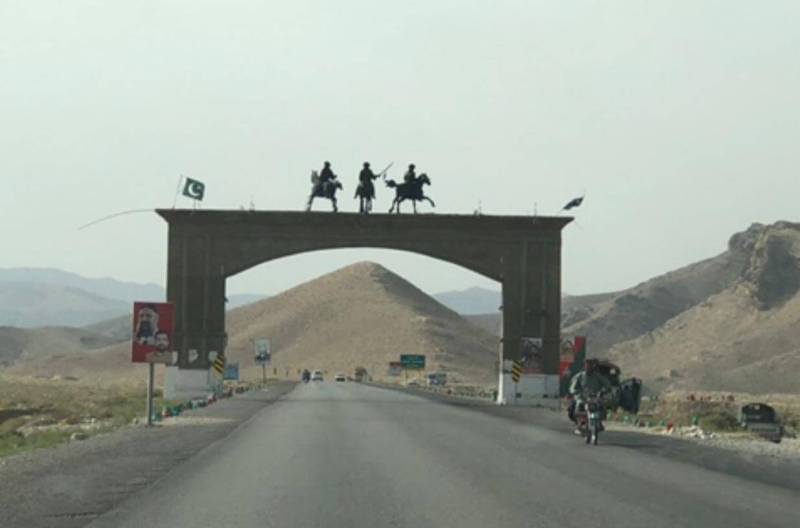
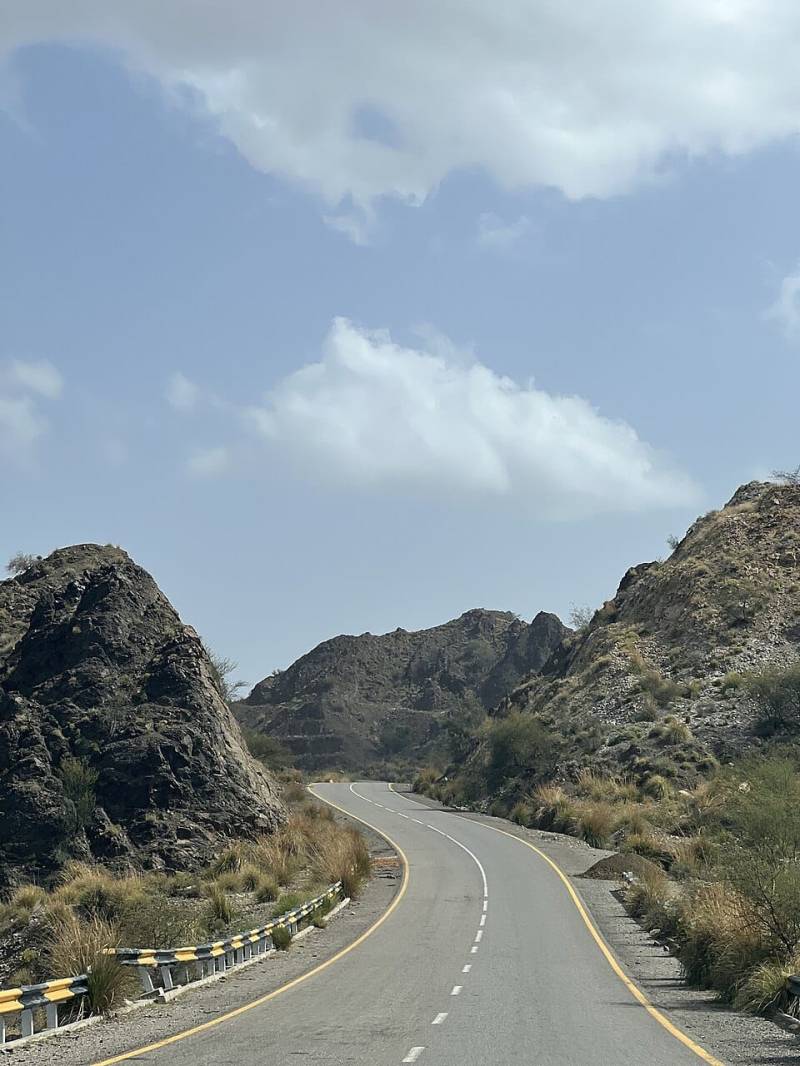
On Wednesday, a passenger coach left Quetta for Karachi. It did not complete an ordinary journey. Armed men positioned on nearby mountains opened fire on the bus in Mastung’s Khud Kocha area, killing three passengers and injuring five. Earlier that day, explosives had badly damaged a bridge on the same national highway, suspending traffic between the two cities for hours. Long queues formed on both sides. By night, an indefinite curfew had been imposed in the area.
These are not the conditions of movement in some distant war zone. This is what it can now mean to travel from one Pakistani city to another.
For the people of Balochistan, however, staying home is not always an option. Karachi is not merely a destination for holidays or casual visits. It is where many travel for specialist medical treatment, employment, education, trade, official work and family obligations. A province spread across 43.6 per cent of Pakistan’s landmass has endured a chronic shortage of accessible, specialised services. The World Bank has found that Balochistan performs worse than national averages across key maternal and child-health indicators, while access to essential services is markedly lower, especially for poor and rural communities.
When adequate treatment is unavailable nearby, the journey to Karachi becomes part of the cost of survival. When work is scarce at home, the same route becomes a route to income. To describe this travel as discretionary is to misunderstand how deprivation operates: people leave because what they need has not been provided where they live.
Yet the state has allowed that necessity to become a trap.
Take the road, and passengers must calculate the risk of gunfire, explosions, blockades, accidents and hours of uncertainty. Take the air, and an ordinary household may have to surrender a month’s income or more for a one-way seat.
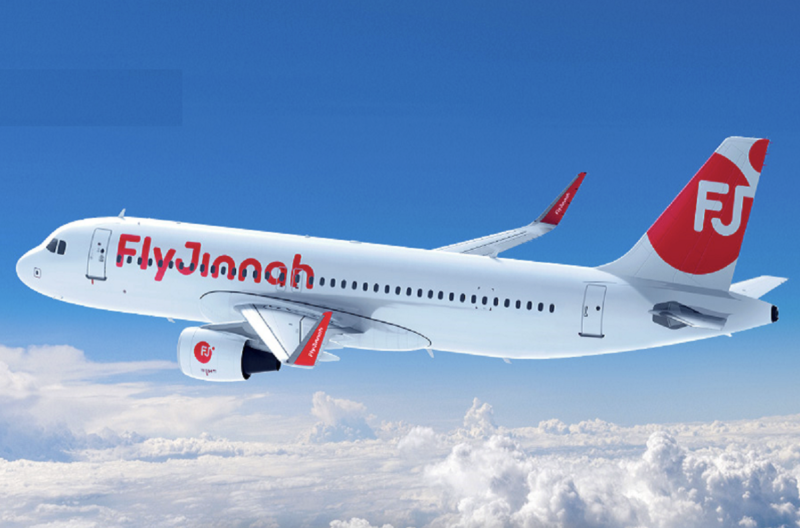
This is not an exaggerated grievance built around a single expensive search. In November 2025, the Balochistan Assembly unanimously adopted a resolution against what it called extraordinary airfare increases. Legislators recorded one-way Quetta–Karachi fares between Rs43,000 and Rs60,000, while Quetta–Islamabad tickets had crossed Rs70,000. They contrasted those prices with fares of roughly Rs15,000 to Rs20,000 on routes connecting Karachi with Lahore or Islamabad. The chief minister himself acknowledged that while parliamentarians might absorb such costs, ordinary citizens could not.
The warning was heard and then, apparently, filed away.
On July 1, 2026, the Senate Standing Committee on Defence again raised the issue of inflated fares on the Quetta route, alongside frequent cancellations. Officials responded that prices were market-driven and that the Ministry of Defence was not the fare regulator. But the committee also pointed to a power the state already possesses: airline licensing conditions can be used to ensure mandatory operations on socio-economic routes serving remote and less-developed regions.

Then came this week’s attack.
On July 24, immediately after the bus shooting and highway disruption, publicly listed Quetta-to-Karachi options showed the cruelty of the equation in real time. A one-stop journey was displayed at Rs38,143, while direct seats were listed at Rs68,710 and Rs73,356. Another itinerary reached Rs101,673. Fares are dynamic and booking portals change by the hour, but that does not weaken the argument; it exposes it. On a route where people may need to abandon the road at short notice for their own safety, “book early” is not a serious public policy.
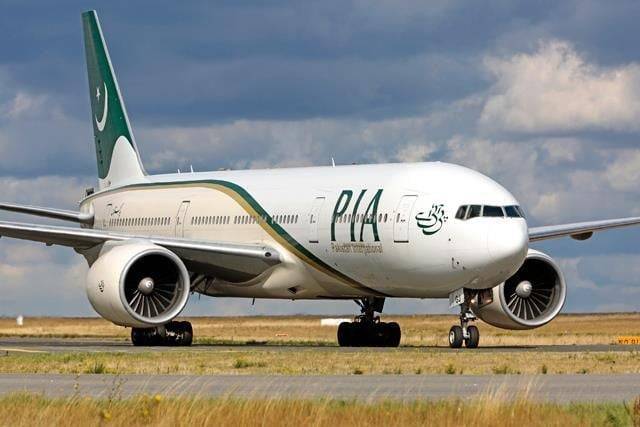
Airlines will point, with some justification, to fuel prices, exchange rates, maintenance costs, limited aircraft and last-minute demand. Commercial aviation cannot operate as charity, and not every high fare is evidence of deliberate profiteering. But that is precisely why government exists: to intervene when an essential connection serving an underserved population cannot be left to scarcity pricing alone.
Whether an airline consciously raises prices after a security incident is almost beside the point. A system that predictably turns public danger into unaffordable demand has produced the same result. Fear narrows people’s choices; limited seats raise the price of the remaining one; and those without money are pushed back onto the road. The passenger is charged twice, first through insecurity, then through the premium demanded to escape it.
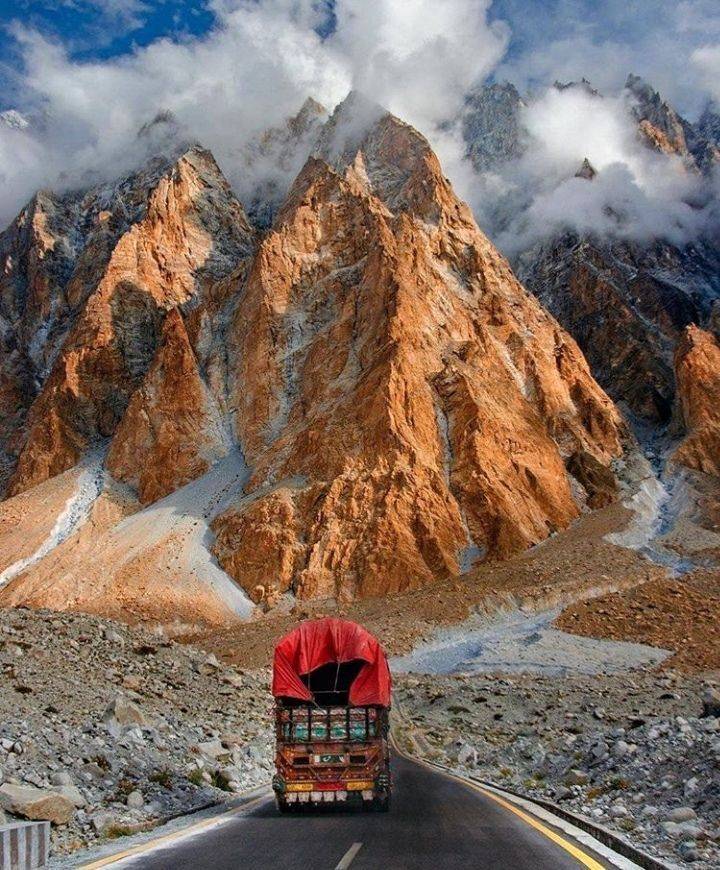
This is where the language of a “free market” becomes morally evasive. There is no meaningful consumer choice when one option may expose a traveller to violence and the other is priced beyond reach. There is no ordinary market when the demand is created by the state’s failure to guarantee safe passage. And there is no equality of citizenship when residents of an already underserved province must pay a geographic penalty simply to reach services routinely available elsewhere.
The issue is larger than airlines. It is about the architecture of abandonment.
Balochistan’s citizens are repeatedly asked for patience, cooperation and trust. They are told that security operations are under way, development is coming and stability requires national unity. But trust cannot be extracted through speeches while daily life remains an obstacle course. It is built when a patient can reach a hospital without selling jewellery, when a student can travel without gambling with their life, and when a worker is not priced out of crossing their own country.
Condemnations after an attack are necessary, but they are not governance. Announcing an investigation is not the same as preventing the next bus from becoming a target. Calling fares “market-driven” is not an answer when the market is responding to a crisis the public did not create.
The required response is neither mysterious nor impossible. The federal and provincial governments should immediately arrange additional flights whenever the Quetta–Karachi highway is closed or faces a verified security threat. A temporary emergency fare ceiling or a targeted public subsidy, should apply during such disruptions. Airlines serving socio-economic routes should be required to publish transparent fare bands, maintain a minimum schedule and reserve a quota of reasonably priced seats for medical emergencies. Repeated cancellations should trigger scrutiny and meaningful penalties, not another committee discussion.
At the same time, secure road corridors, reliable passenger advisories, properly equipped emergency response and the accelerated upgrading of the N-25 cannot remain promises that reappear after every tragedy. Affordable flights are emergency relief, not a substitute for making the highway safe.
None of this asks for privilege. It asks for the minimum meaning of citizenship: the ability to move within one’s own country without choosing between possible death and financial ruin.
The people of Balochistan should not have to prove their loyalty while being denied security, services and affordable access to the rest of Pakistan. If the state cannot immediately remove every threat from the road, it must at least ensure that safety is not sold to the highest bidder.
Because when the road can kill you and the sky is priced out of reach, freedom of movement exists only on paper.
Text: Sundus Unsar Raja