
Where Tradition Meets Taste: The Rise of Saudi's Coffee Culture
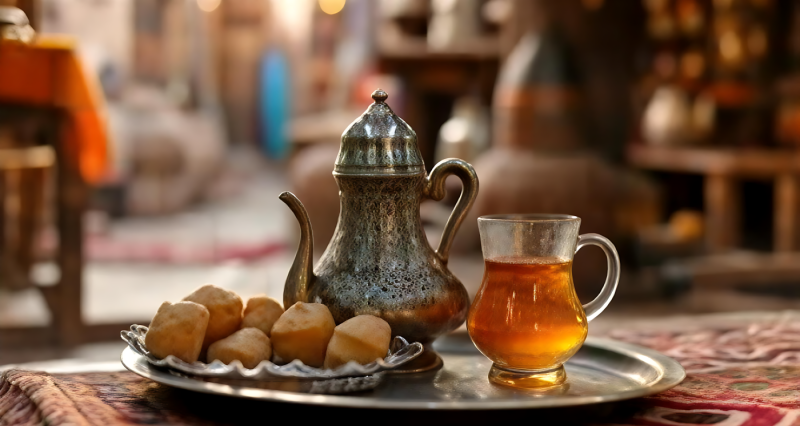
There is a quiet poetry in the way Saudis brew their coffee - slowly, thoughtfully, and with deep respect for tradition. For Pakistani Umrah+ travelers, it offers more than refreshment; it’s an invitation to experience Saudi heritage, hospitality, and connection.
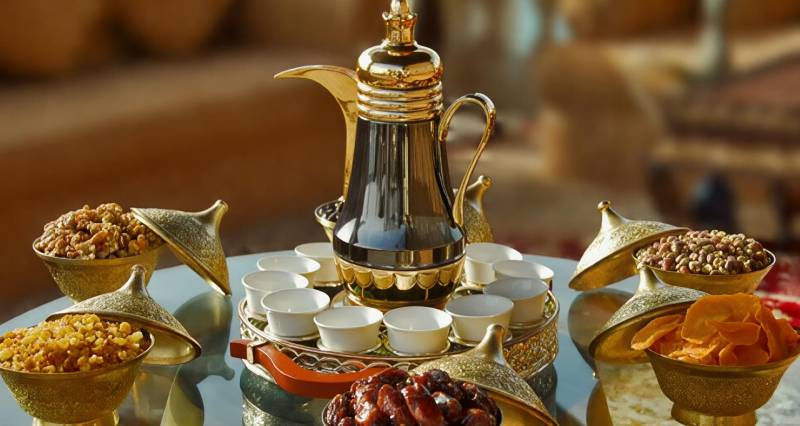
Credits: life in Saudi Arabia
The Aroma of Tradition
Saudi coffee, or qahwa, is not just a beverage, but an experience steeped in centuries of Bedouin tradition. Served in a finjan (small handleless cup) from a dallah (coffee pot), qahwa is infused with cardamom, saffron, and occasionally rosewater – creating a golden blend that embodies warmth and welcome.
In Saudi homes, coffee is an expression of grace and respect. The host pours with the right hand, beginning with the eldest guest, and a subtle shake of the cup signals contentment. These gestures go beyond etiquette; they reflect the Saudi spirit of honor, grace, and mindfulness – values deeply familiar to Pakistani travelers who cherish similar traditions of hospitality.

Credits: life in Saudi Cultures
From Desert Camps to Designer Cafés
As Saudi evolves, so too does its coffee scene. Beyond the dunes and date palms, a new wave of cafes is redefining how the nation connects over coffee – modern, stylish, and globally inspired, yet unmistakably local.
In Riyadh, Elixir Bunn is celebrated for its precision brewing, while Brew92 in Jeddah has become a creative hub for artists, professionals, and travelers alike. In AlUla, pop-up cafes servelocally roasted blends against a backdrop of sandstone canyons, ancient tombs, and contemporary art installations. For Umrah+ travelers extending their journey beyond Makkah and Madinah, these coffee spots offer more than a caffeine fix – they're moments of pause and reflection, a chance to savour Saudi’s evolution one cup at a time.
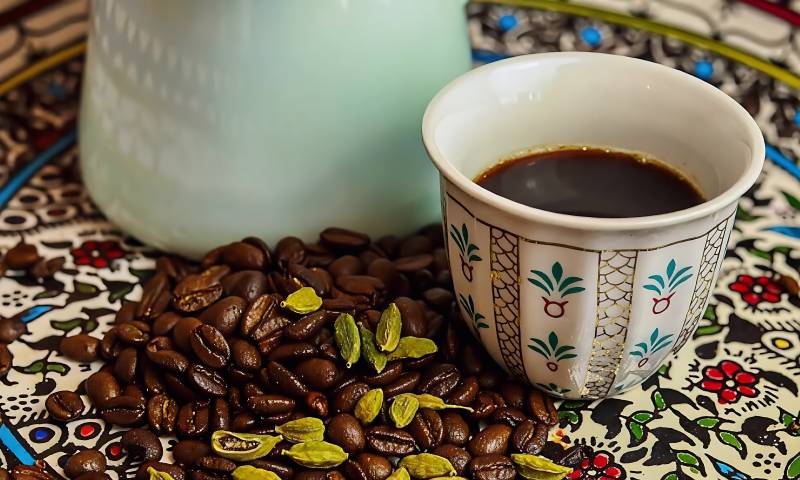
Credits: Emirati Times
The Rise of Specialty Coffee and Local Roasters
Across Saudi, young people have embraced specialty coffee as a mark of taste and identity. Homegrown roasters like Camel Step, Kaffa Beans, and Al Masaa are redefining local coffee craftsmanship - sourcing high-quality beans from Ethiopia, Colombia, and Yemen, while honouring the legacy of traditional Arabian qahwa.
For Pakistani visitors, where tea culture holds deep roots, this movement presents an intriguingcontrast. It is an invitation to experience the artistry behind every cup and to understand how Saudi’s new generation of coffee entrepreneurs is blending heritage with modern expression.


Coffee Trails and Cultural Tales
In Saudi, coffee is more than a beverage – it's a bridge that gathers families after prayers, seals business deals, and fuels creative exchange. It is woven into every moment of celebration and reflection, much like chai back home in Pakistan. For Umrah+ travelers, to embrace coffee is to embrace the rhythm of Saudi life itself.
Today, many hotels and tour operators curate “Coffee Trails” and cultural experiences where visitors can learn the art of brewing qahwa, discover its symbolism, and enjoy tasting sessions paired with locally grown dates. These encounters add depth to the pilgrimage journeys, turning travel into a richer exploration of faith, culture, and connection.
Sipping Beyond the Spiritual
As Saudi continues its transformation under Vision 2030, its coffee culture stands as both a tribute to the past and a glimpse of the future. For Pakistani Umrah+ travelers, each cup becomes a bridge, connecting faith, hospitality and shared warmth between two cultures.
So, when your journey leads you to the Holy Cities, take a moment to pause. Step into a Saudi café, breathe in the aroma of freshly ground beans, and savour a cup of qahwa. In its golden glow, you may discover not just coffee, but a connection and a taste of tradition that transcends time and place.