
SHAHAB TASSADAQ THE CREATIVE FORCE BEHIND THE SEASON'S MOST TALKED-ABOUT COUTURE
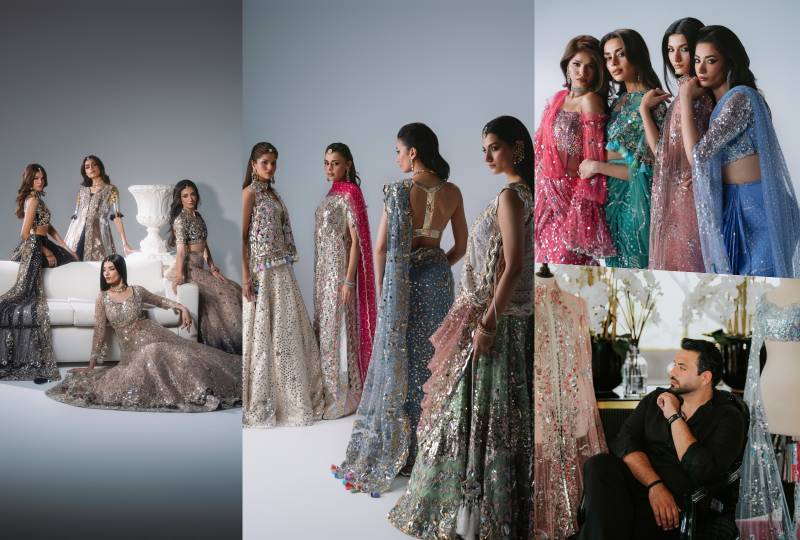
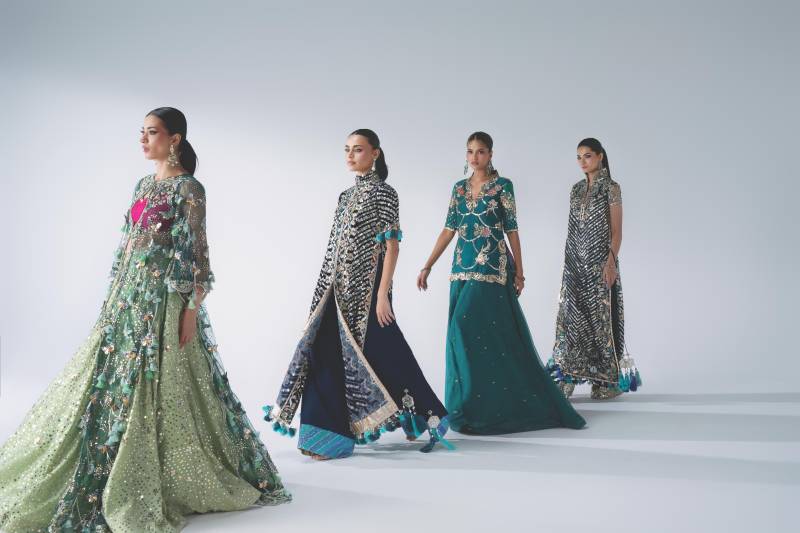
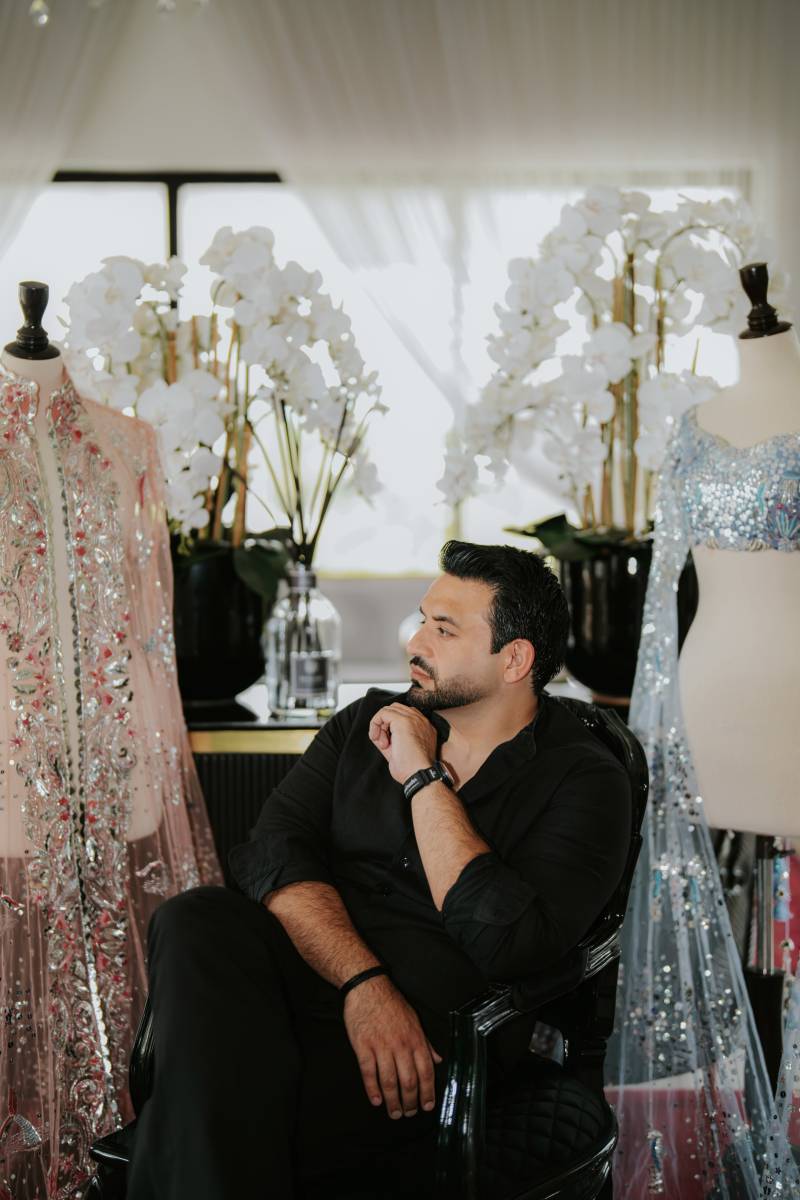
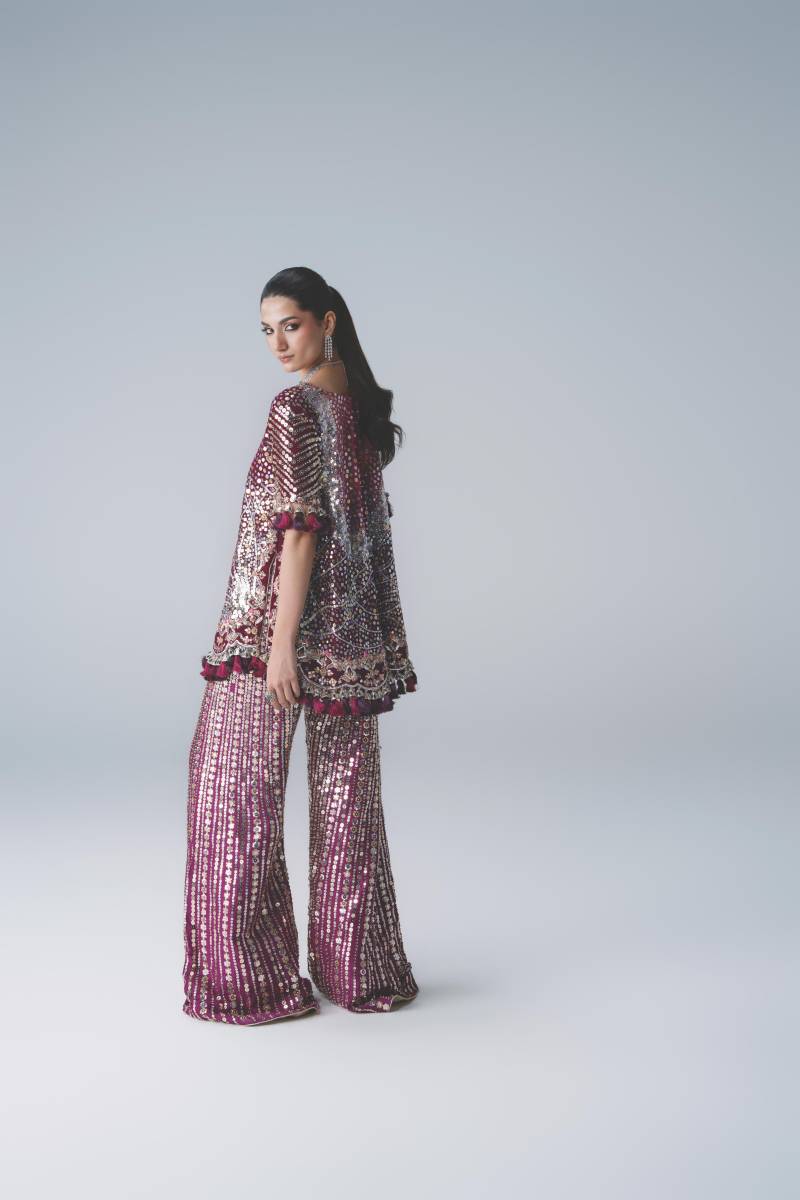
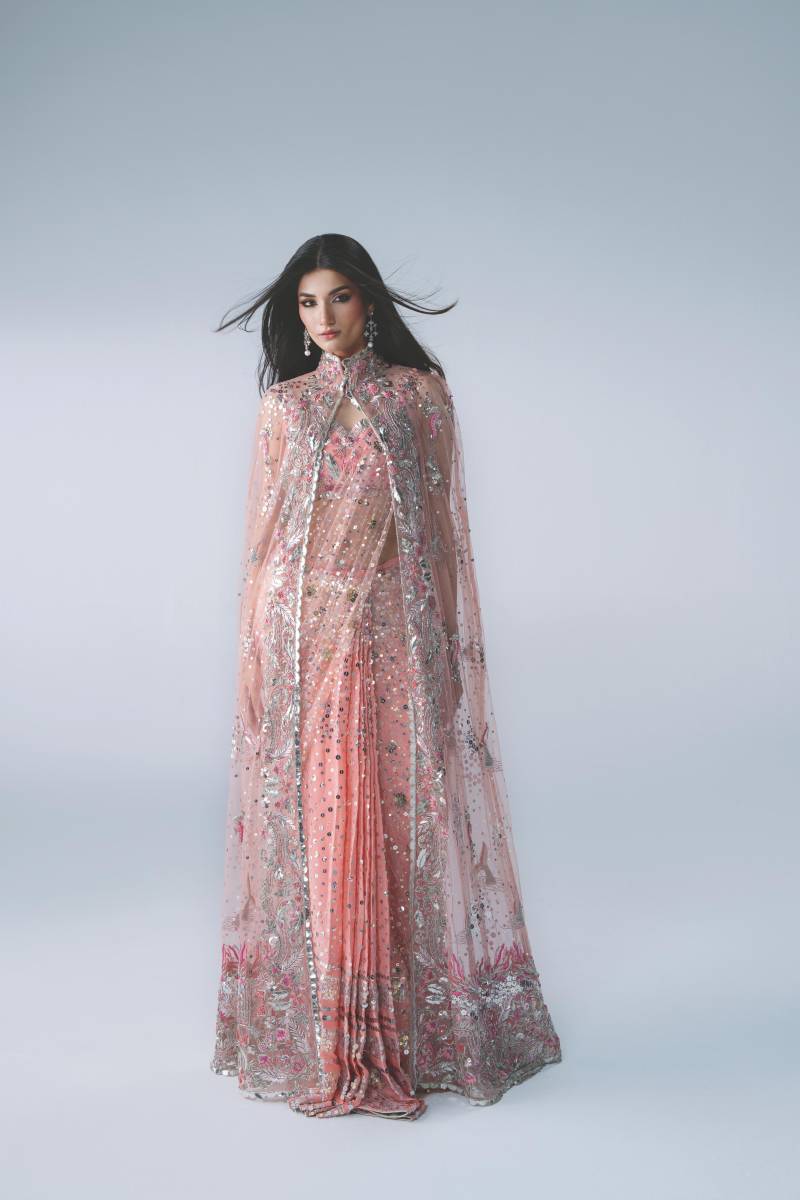
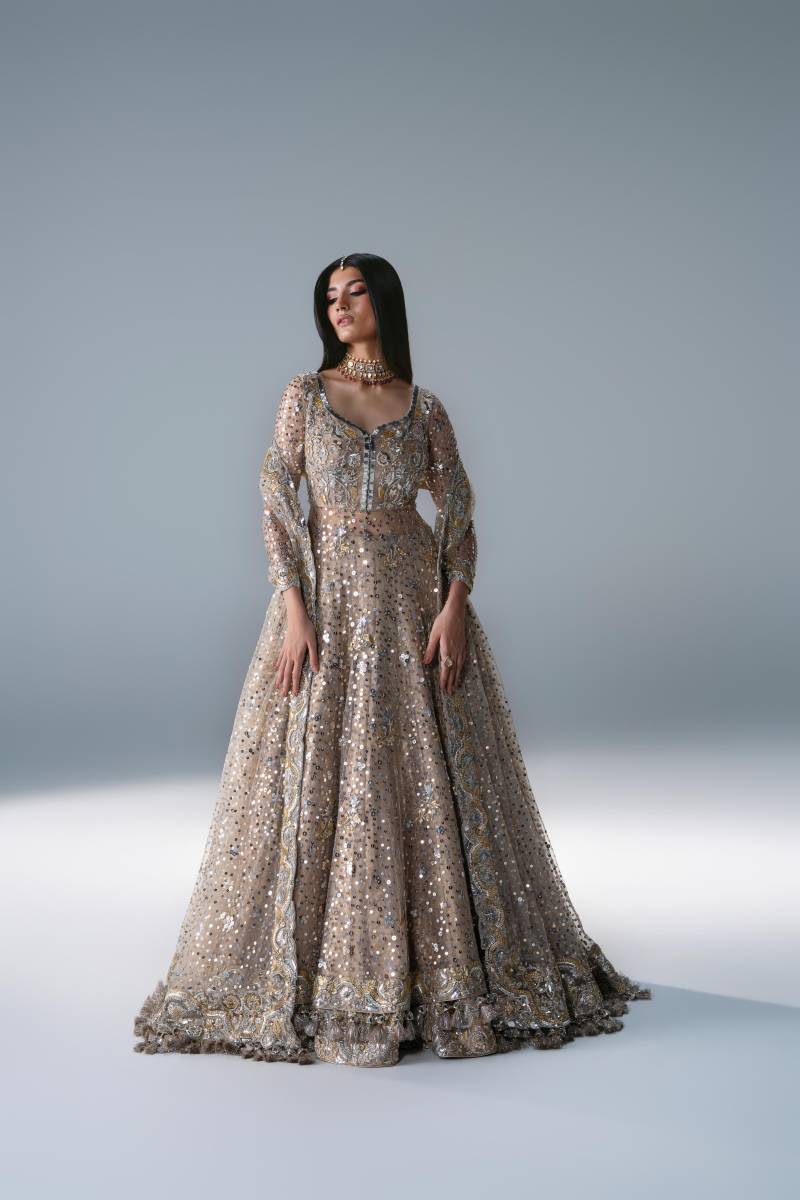
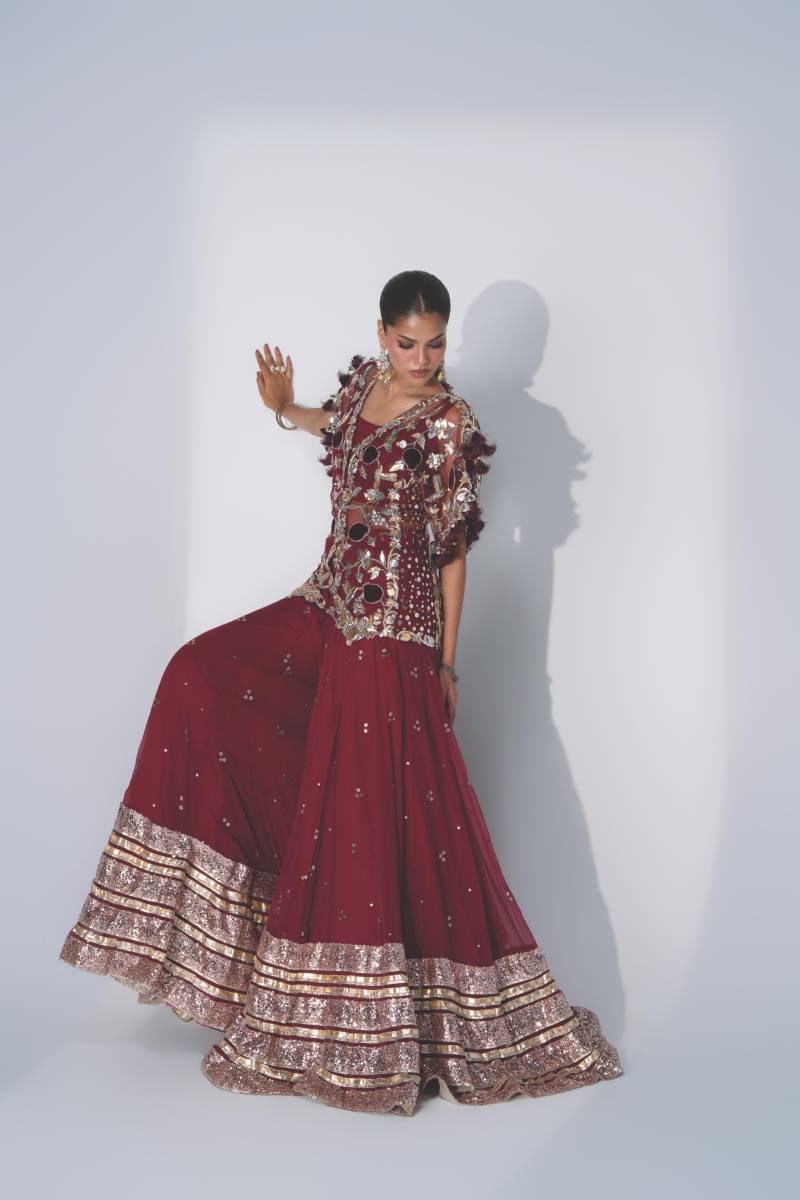
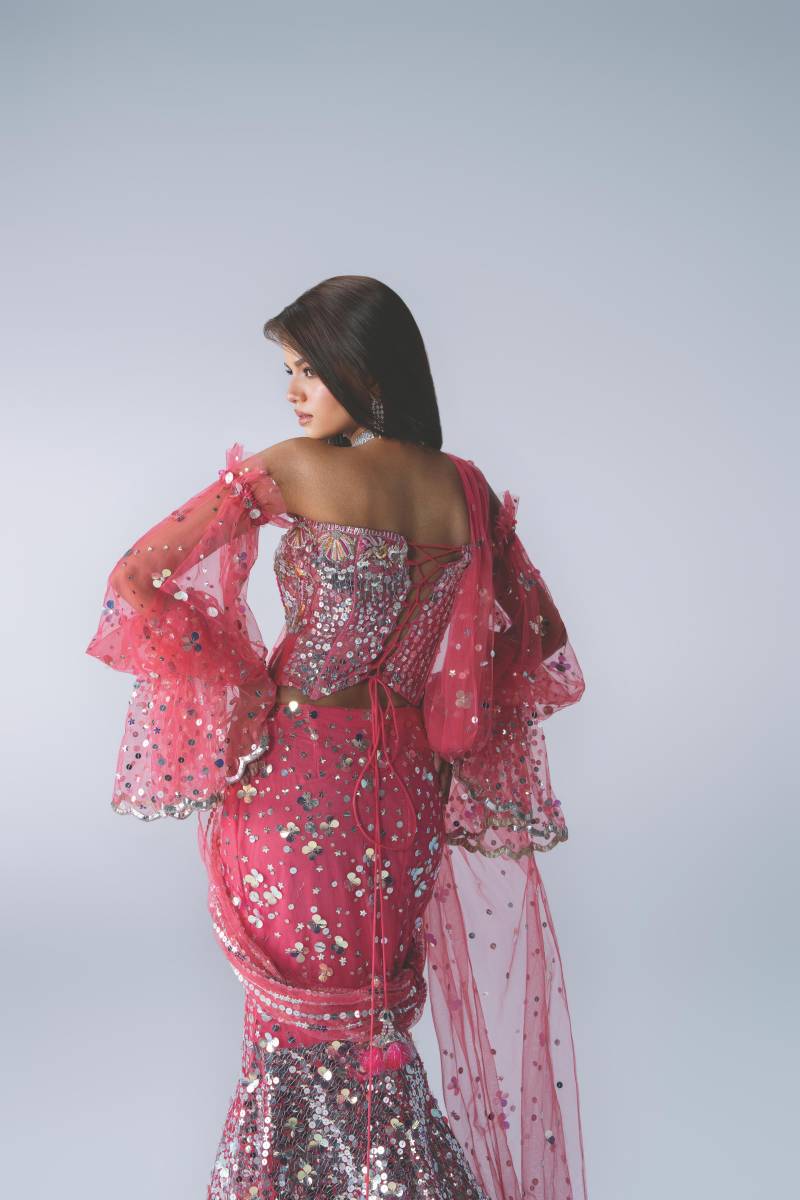
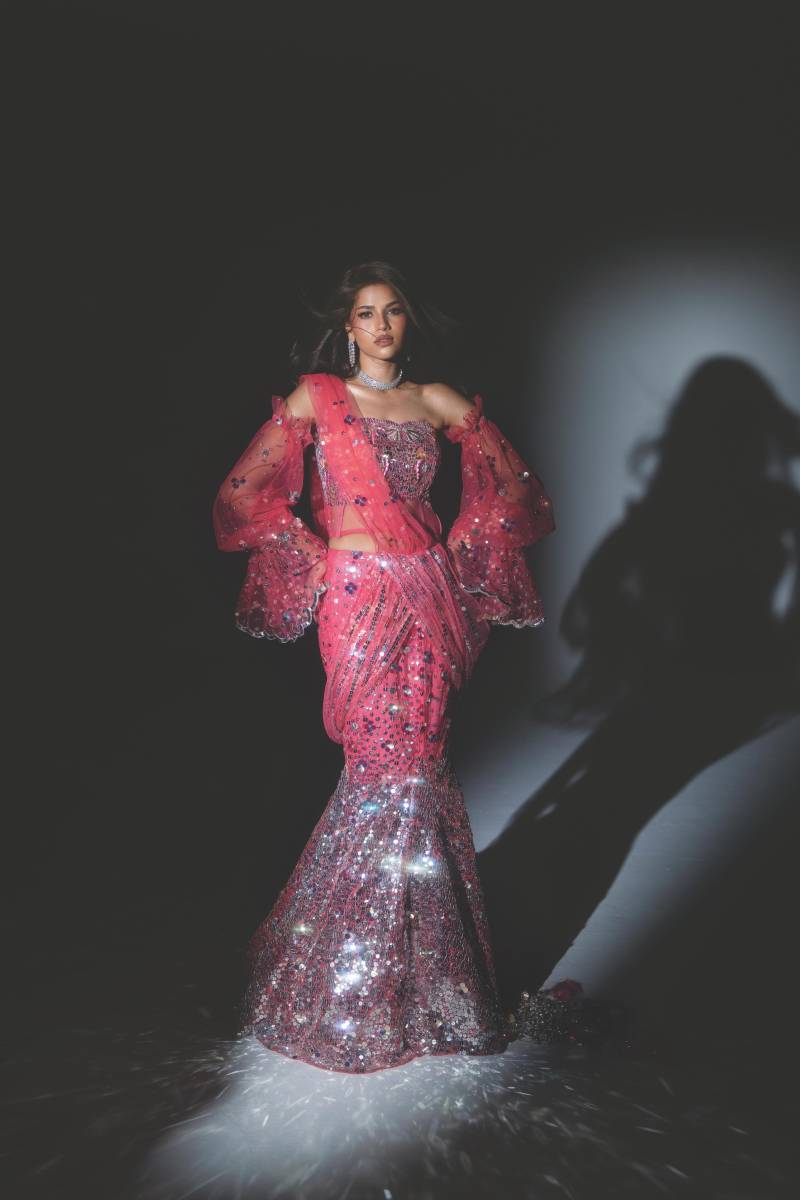
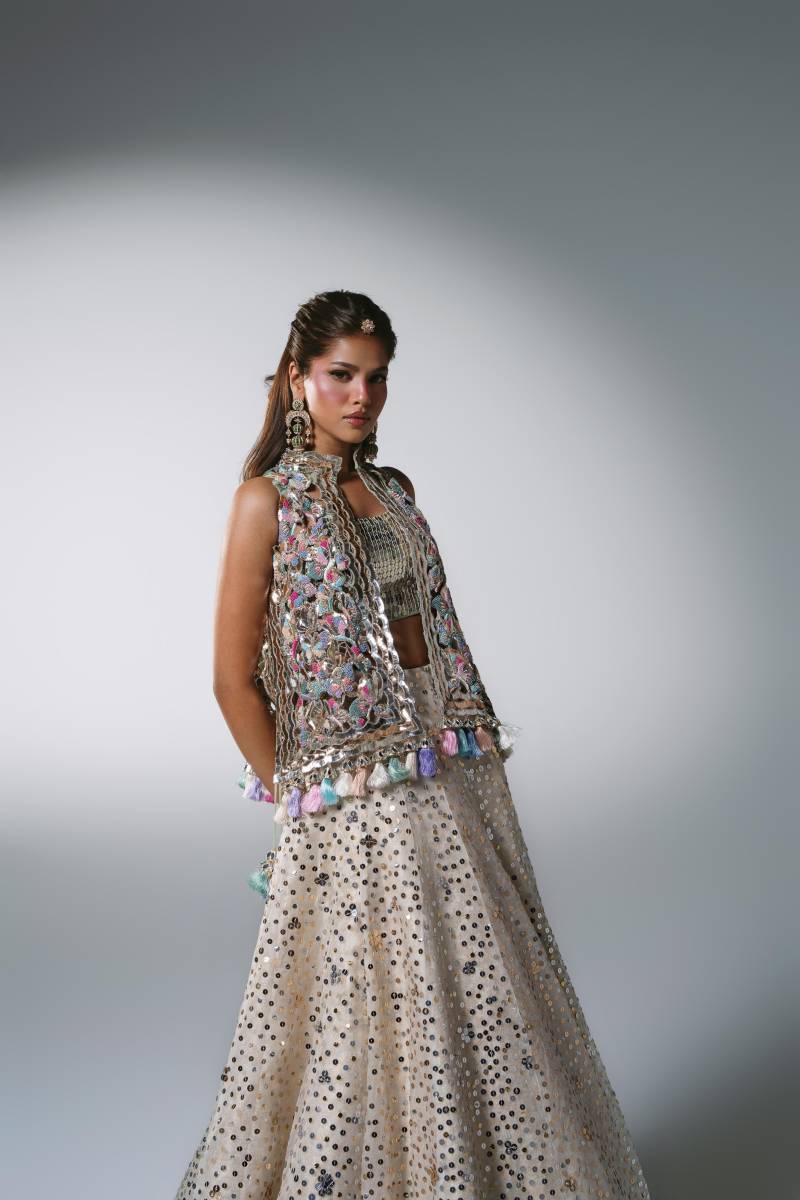
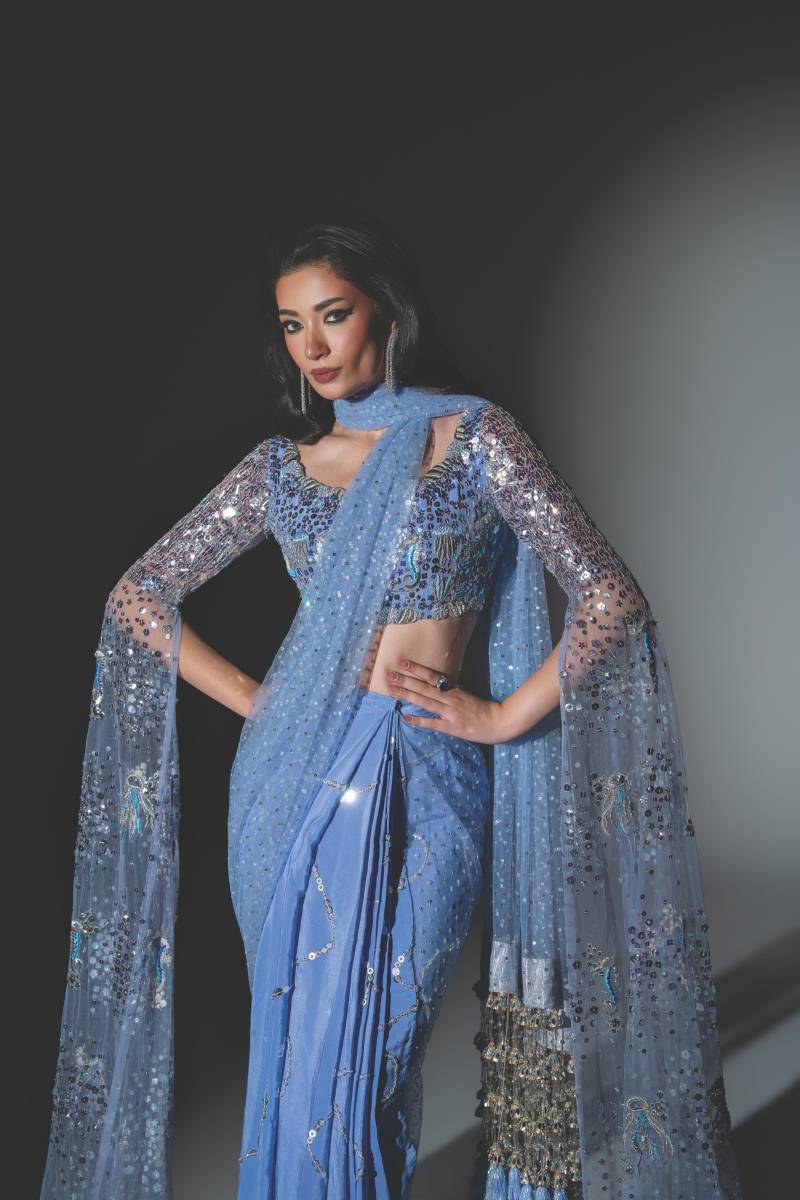
We are thrilled to feature fashion designer Shahab Tassadaq on our pages for the very first time. In a remarkably short span of time, the Islamabad-based couturier has emerged as one of the most talked-about names in Pakistani fashion, creating pieces that have become synonymous with elegance, intricate craftsmanship, and a distinct design identity. For this exclusive cover story, we sat down with Shahab to explore the journey, philosophy, and vision behind his House. Shot in Lahore with some of the industry’s most celebrated muses, the feature captures the essence of his couture through creations that reflect his signature approach to artistry, restraint, and heirloom craftsmanship. From bridal celebrations to some of the season’s most memorable fashion moments, Shahab’s designs have become a defining choice for women who appreciate couture that feels both rooted and enduring. His approach goes beyond fleeting trends, focusing instead on thoughtful design, exceptional craftsmanship, and garments created to be cherished for generations. As he continues to shape a new chapter in Pakistani couture, Shahab Tassadaq opens up about his unconventional journey, the women who inspire his creations, and his vision for the future of fashion, offering an insight into the making of a House built on passion, precision, and purpose.
My journey into couture has been an unconventional one. I studied Marketing at King’s College London, not fashion design, so everything I know about design has been self-taught through years of observation, passion, and an unwavering respect for craftsmanship
We're delighted to be featuring you in HELLO! Pakistan for the first time. For readers who are only just discovering Shahab Tassadaq and the philosophy behind your label, tell us about the journey that brought you here. At what point did you realise you weren't simply designing clothes, but building a creative identity?
My journey into couture has been an unconventional one. I studied Marketing at King’s College London, not fashion design, so everything I know about design has been self-taught through years of observation, passion, and an unwavering respect for craftsmanship. I don’t think there was one defining moment when I realised I was building something more than garments. It happened gradually as I understood what couture represents in Pakistan. These pieces become part of a family’s history. They mark some of life’s most important milestones, and with that comes an enormous responsibility. From that point onwards, the objective was never simply to design beautiful clothes. It was to build a house whose work would one day be remembered as heirloom.
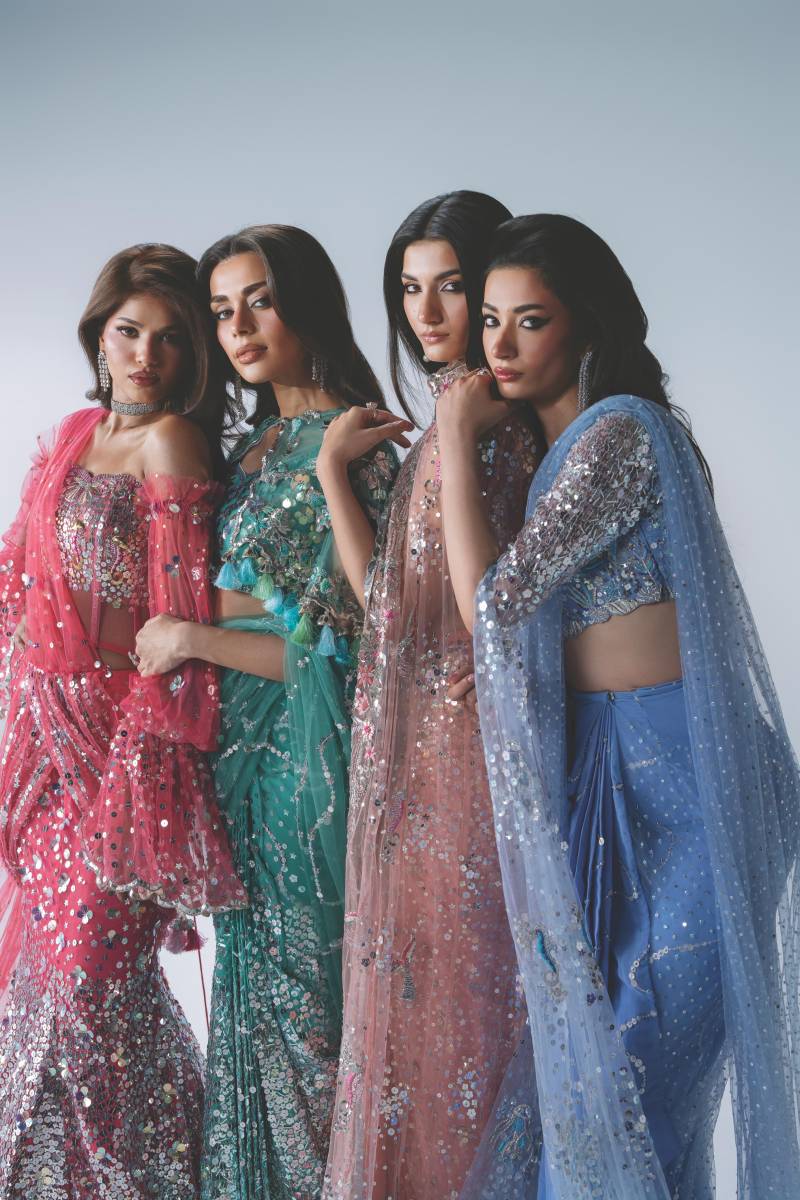
Unlike traditional fashion houses, I don’t create seasonal collections. Every Archive is developed independently, allowing each piece to exist without creative limitation or the pressure of trends. This cover was an opportunity to present that philosophy in its purest form
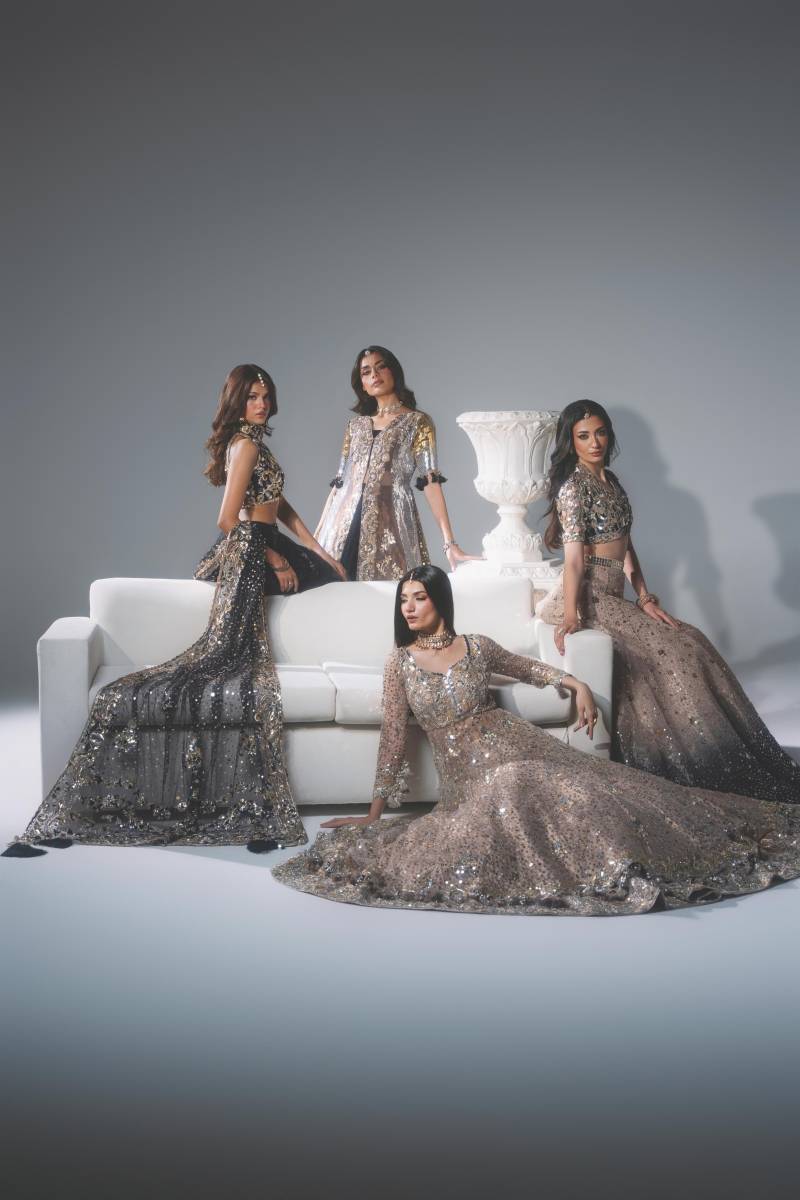
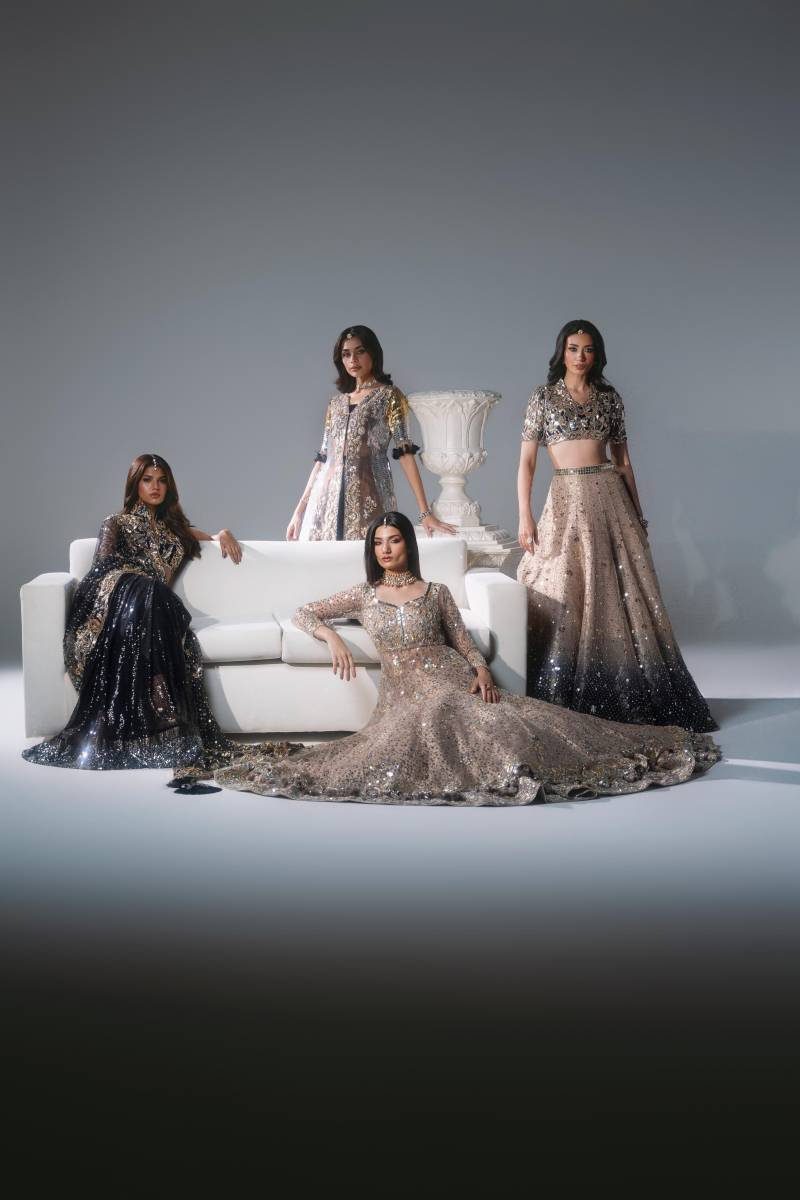
This cover brings together multiple muses, each wearing a different Shahab Tassadaq creation. When you first began conceptualising the shoot, what story did you want the cover to tell, and how did you translate that into the looks we see today?
Unlike traditional fashion houses, I don’t create seasonal collections. Every Archive is developed independently, allowing each piece to exist without creative limitation or the pressure of trends. This cover was an opportunity to present that philosophy in its purest form. The women you see aren’t simply modelling the garments; they’ve become trusted collaborators over the years. Their patience, professionalism, and willingness to embrace my vision allow me to present each Archive exactly as it was imagined. What you see on this cover is the House without compromise. Every silhouette, every detail, and every look reflects the work exactly as I intended it to be seen.
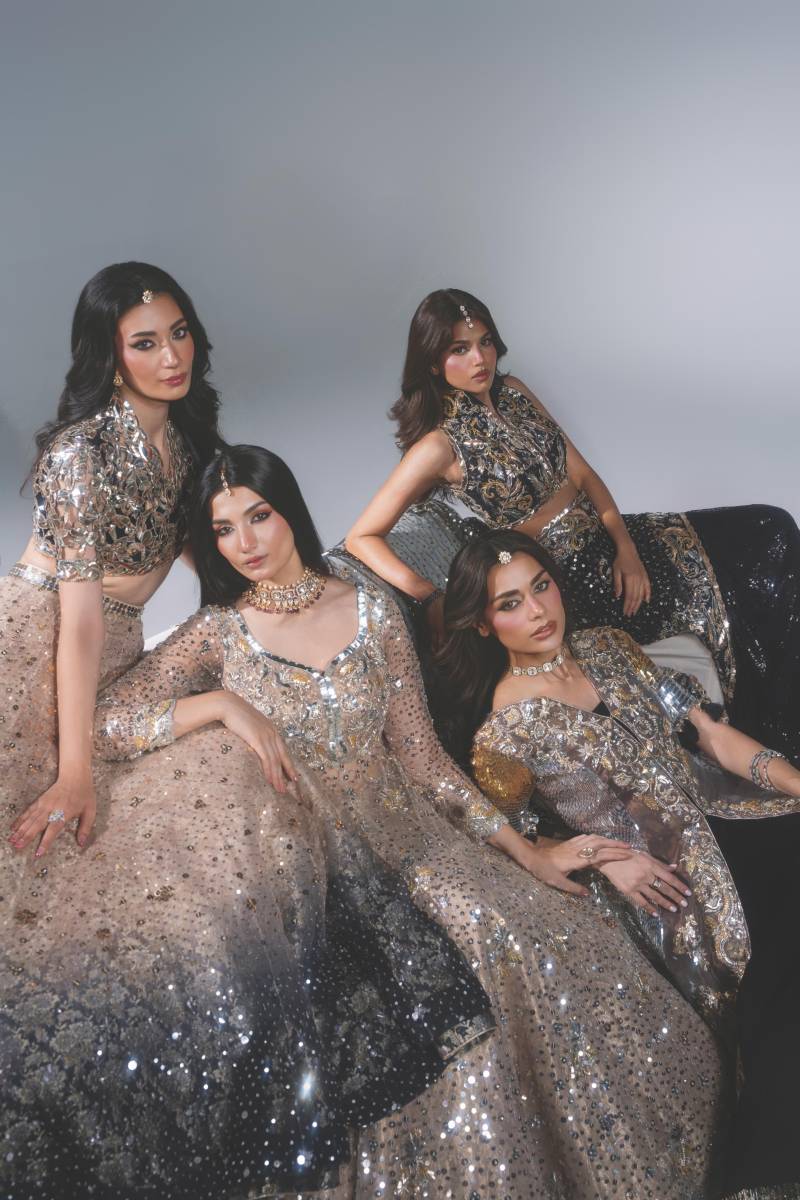
The challenge is never to be different for the sake of it. It’s to create something that feels new today, but timeless enough to become an heirloom tomorrow
Was there one look from this cover shoot that challenged you the most, either creatively or technically? What made it stand out?
The greatest challenge was developing a fully structured corset. Embroidery has always come naturally to me because it begins with an openness to learning and an appreciation for craft. Corsetry, however, introduced an entirely different discipline. Understanding boning, balance, pattern cutting, and the technical precision required to sculpt the body pushed me well beyond my comfort zone. It reminded me that couture is as much about engineering as it is about artistry, and I found that incredibly rewarding. It’s those challenges that continue to move the House forward.
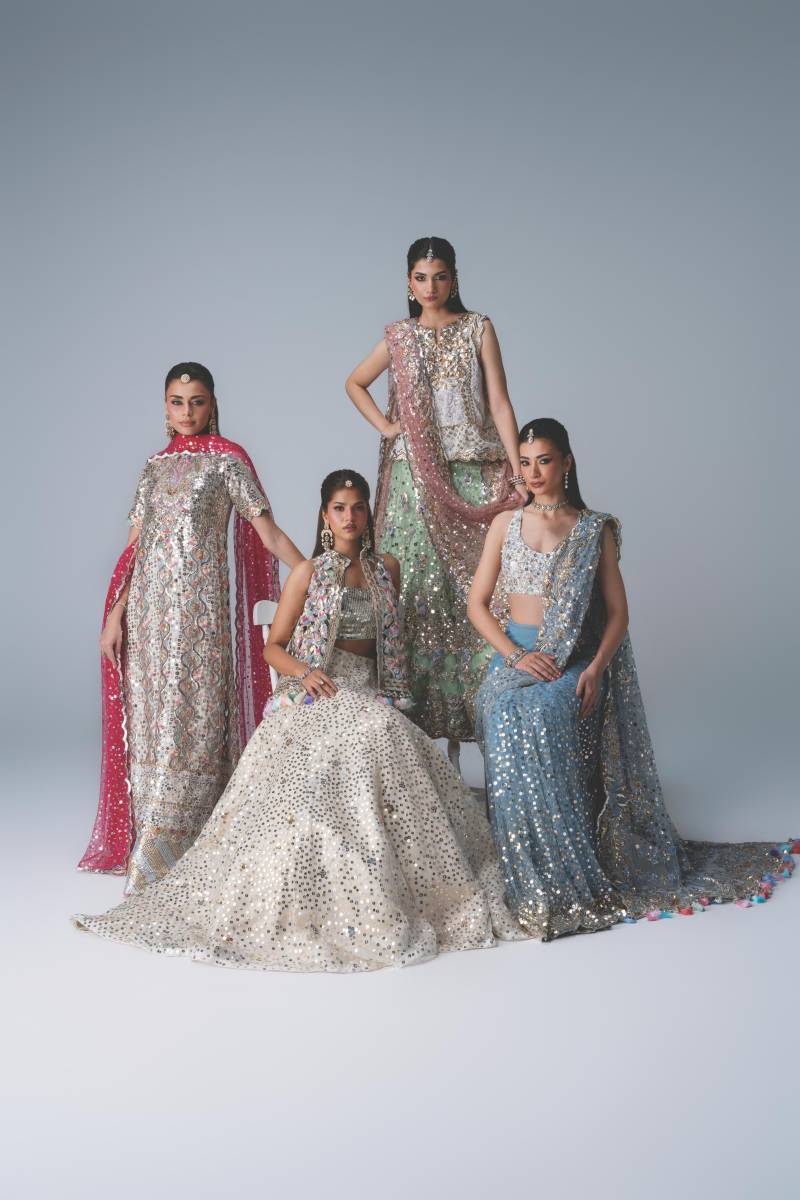
Every woman on this cover brings a different personality to your designs. What do you look for in a muse, and how do you know when someone truly understands the spirit of a Shahab Tassadaq creation?
For me, a muse has very little to do with appearance. It’s someone who is honest with themselves, who understands the importance of giving and receiving respect, and who carries themselves with quiet confidence. The women I work with don’t just wear the garments; they honour the time, craftsmanship, and intention behind them. When that mutual respect exists, the relationship becomes effortless, and that’s when a Shahab Tassadaq creation truly comes to life.
I love that couture in Pakistan has a life beyond the wedding itself. Women preserve it, pass it on, resell it, reinterpret it, and I fully support that
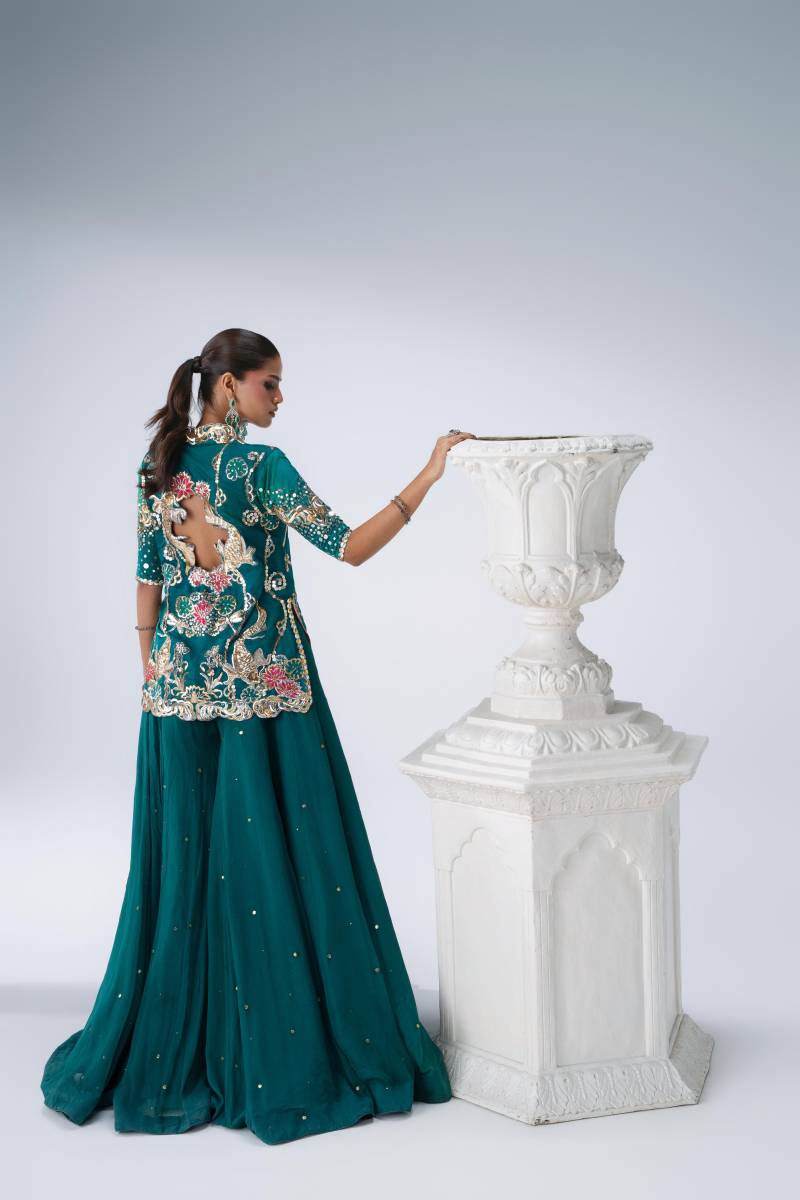
Is there a creative risk you've been wanting to take but haven't yet? Whether it's a silhouette, a technique, or an entirely different way of presenting your work, what still feels unexplored?
I think the greatest risk isn’t a technique; it’s asking women to see themselves differently. I’ve always believed Pakistani brides are far more adventurous than we sometimes give them credit for. I’d love to continue pushing the conversation around silhouette, colour, and proportion, introducing cuts that feel unexpected while remaining unmistakably couture. The challenge is never to be different for the sake of it. It’s to create something that feels new today, but timeless enough to become an heirloom tomorrow.
Every designer has one piece they never quite stop thinking about. Is there a design you've created that continues to hold a special place in your heart, and why?
Without question, it would be Sania Farrukh’s nikkah ensemble. Ironically, it was one of the quieter designs I’d created. It wasn’t conceived to make noise; it was simply created with honesty. Since then, I’ve watched it be interpreted and replicated countless times, and I can genuinely say it brings me happiness. Good design should have a life beyond the person who first imagined it. If that one piece has inspired other makers, supported artisans and workshops, and brought prosperity into other homes, then I see that as something worth celebrating. What moves me most is that a design born from restraint became part of a wider conversation in Pakistani couture. For a House still early in its journey, that’s an incredibly humbling feeling.
The House has never been driven by volume. We accept only a limited number of commissions because true couture demands time, focus, and complete commitment
Fashion often reflects the times we live in. What conversations or emotions are you hoping your collections contribute to today?
I’ve never worked in seasonal collections, despite being encouraged to for years. The House exists to create bridal couture because those are the pieces that carry the greatest meaning. I’ve never believed in asking women to replace something simply because a new season has arrived. In fact, I love that couture in Pakistan has a life beyond the wedding itself. Women preserve it, pass it on, resell it, reinterpret it, and I fully support that. It means the garment continues its journey instead of ending after a single occasion. To me, the future of couture isn’t about creating more. It’s about creating pieces that are worthy of another life.
Originality has become increasingly difficult in the age of social media and instant inspiration. How do you protect your creative voice while navigating a highly competitive landscape?
I think originality is often misunderstood. In our industry, people rarely know where an idea began; they only know when they first saw it. That’s simply the reality of the landscape we work in. For me, finding my creative voice had very little to do with embroidery or silhouette. It had everything to do with understanding identity. My background is in Marketing, and that taught me something invaluable: people don’t just remember what you create; they remember what you consistently stand for. There will always be similarities, interpretations, and conversations within fashion. I don’t spend my time chasing those. My responsibility is to keep refining the language of the House until it becomes unmistakably its own.
If we’re going to call something luxury, we should begin by honouring the hands that created it. Their time is the most valuable material in the garment
When someone looks at a garment and instantly knows it's a Shahab Tassadaq design, what do you hope they're recognising first?
I hope the first thing they recognise is that it is unmistakably couture. That every decision has been considered, every detail has a purpose, and nothing has been added for the sake of excess. I also hope they recognise restraint. The House has never been driven by volume. We accept only a limited number of commissions because true couture demands time, focus, and complete commitment. I say “no” more often than I say “yes”, and I believe that discipline is reflected in the work itself.
Luxury today is evolving beyond price tags. In your opinion, what truly defines luxury in contemporary Pakistani fashion?
Luxury has very little to do with price. To me, luxury is time. A garment that is hand-cut, hand-stitched, hand-embroidered, and finished entirely by hand carries something no machine can ever replicate. Yet in Pakistan, we rarely speak about craftsmanship in terms of time. The great Western couture houses proudly tell you a garment took hundreds or even thousands of hours to create. I believe our artisans deserve that same recognition. If we’re going to call something luxury, we should begin by honouring the hands that created it. Their time is the most valuable material in the garment.
Interview: Safa Adnan
Outfits: Shahab Tassadaq
Photography: HM Studio
Models: Sadaf Kanwal, Abeer Asad, Iqra Kainat & Elina Batooq
Makeup: Syed Hussain
Styling: Abdullah Sidiki
Videography: Muzammil Garewal